
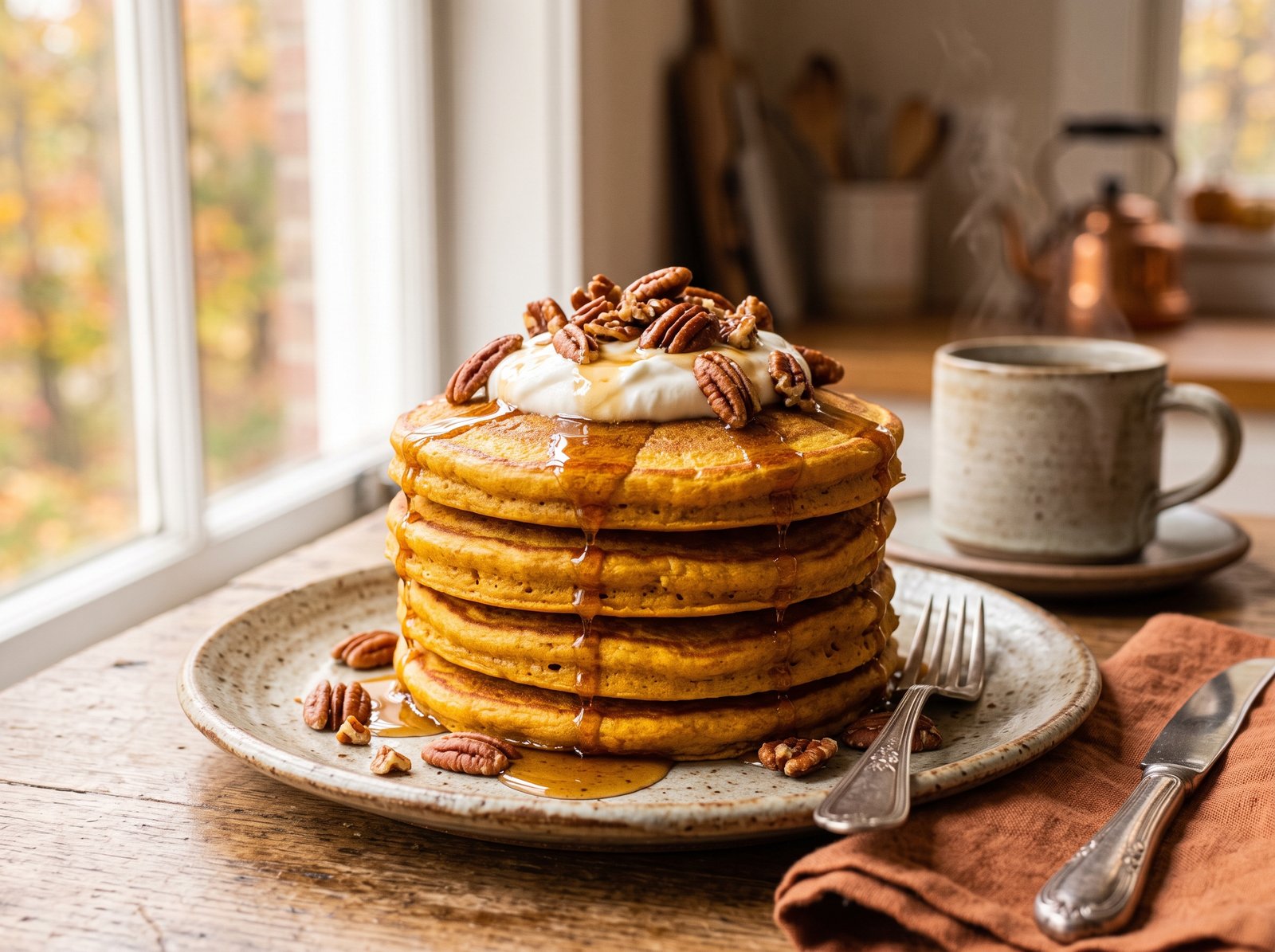
The Ultimate Protein Pumpkin Pancakes
When the air turns crisp and the leaves begin to change, our collective cravings naturally shift toward warm, comforting, spice-filled breakfasts. There is nothing quite like a lazy autumn weekend morning, complete with a hot cup of coffee and a towering stack of fluffy pumpkin pancakes. However, traditional pancake recipes—often loaded with refined flour and sugar—can leave you feeling sluggish, causing a mid-morning sugar crash that derails your day before it even begins.
Enter the perfect solution: protein pumpkin pancakes. This recipe bridges the gap between a cozy, nostalgic fall breakfast and a nutrient-dense, fuel-focused meal. By incorporating real pumpkin purée and your favorite protein powder into the batter, you can enjoy all the classic flavors of autumn while hitting your macronutrient goals. These pancakes are incredibly soft, perfectly spiced, and hearty enough to keep you full and energized for hours.
Whether you are fueling up for a long weekend hike, recovering from an early morning gym session, or simply looking to sneak some extra nutrition into your family’s weekend breakfast ritual, this is the only recipe you will need this season.
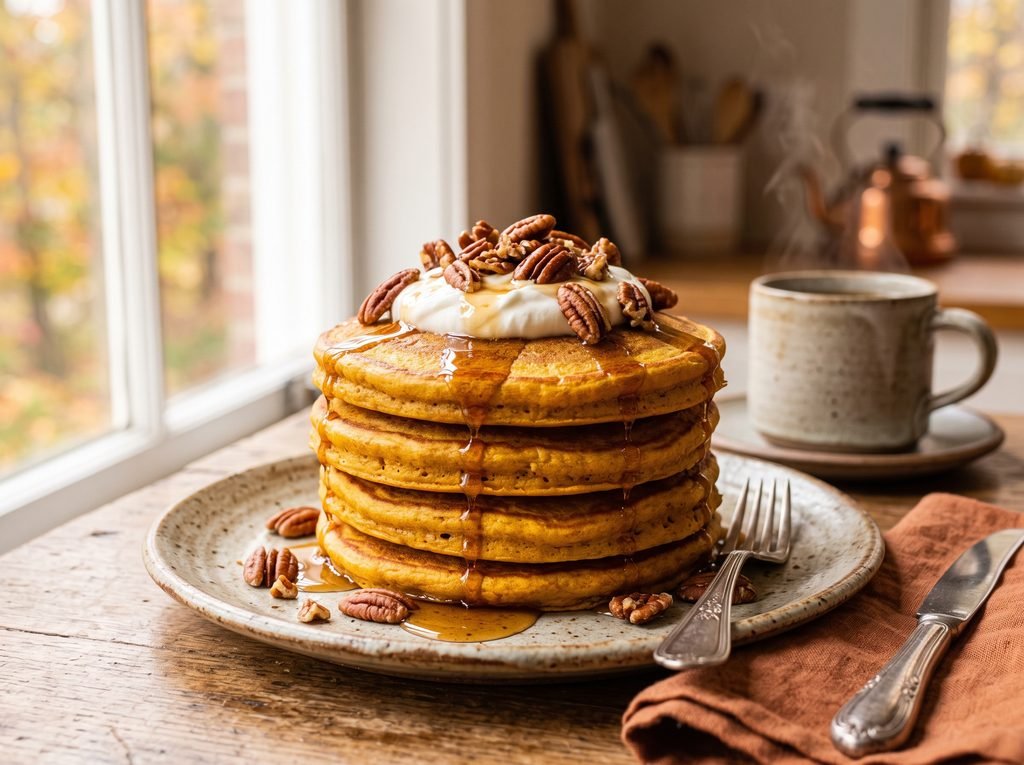
What Are Protein Pumpkin Pancakes?
At their core, protein pumpkin pancakes are a modernized, health-conscious spin on a classic diner-style hotcake. Instead of relying entirely on all-purpose flour for structure and volume, this recipe utilizes a blend of wholesome ingredients like oat flour and protein powder.
The addition of pumpkin purée does more than just provide that signature golden-orange hue and autumnal flavor. Pumpkin is a nutritional powerhouse. It is incredibly rich in Vitamin A, loaded with antioxidants, and packed with dietary fiber. In baking, pumpkin purée acts as a fantastic natural binder and moisture-retainer. This is incredibly important when cooking with protein powder, which has a notorious tendency to dry out baked goods.
By balancing the dry, absorbent nature of the protein powder with the heavy moisture of the pumpkin and a touch of liquid, we create a batter that fluffs up beautifully on the griddle. The result is a pancake that boasts the macronutrient profile of a protein shake but eats like a decadent weekend treat.
Why You’ll Love This Recipe
If you have ever tried making protein pancakes from scratch, you might have encountered the dreaded “rubbery” texture. This recipe has been carefully developed to eliminate that problem. Here is why it will become your new autumn staple:
- Sustained Energy: The combination of complex carbohydrates from the oat flour, fiber from the pumpkin, and a heavy hit of protein means these pancakes digest slowly, keeping you satiated until lunch.
- Incredible Texture: Thanks to the moisture from the pumpkin and a little resting time for the batter, these pancakes are genuinely fluffy and tender, never dense or dry.
- Highly Customizable: You can use whey, plant-based, or collagen protein powders, and easily adapt the recipe to be gluten-free or dairy-free based on your dietary needs.
- Meal-Prep Friendly: These pancakes freeze and reheat exceptionally well, meaning you can make a double batch on Sunday and enjoy a hot, healthy breakfast in minutes on a busy Tuesday morning.
- Sneaky Vegetables: It is a brilliant way to get a serving of vegetables into your breakfast without tasting them. The warm spices completely mask the earthy squash flavor, leaving only a subtle, natural sweetness.
Ingredients You Will Need
Creating the perfect protein pancake requires a careful balance of wet and dry ingredients. Here is exactly what you need to achieve the best flavor and texture.
- Pumpkin Purée: (½ cup) Make sure you are buying 100% pure pumpkin purée, not canned pumpkin pie filling, which is pre-sweetened and loaded with artificial spices. Libby’s is the classic American standard, but any organic brand works beautifully.
- Protein Powder: (1 scoop / approx. 30 grams) Vanilla or unflavored protein powder works best here. You can use whey isolate, casein, or a plant-based blend (like pea and brown rice protein). Note: Plant-based powders absorb more liquid than whey, so you may need an extra splash of milk.
- Oat Flour: (½ cup) Oat flour gives these pancakes a hearty, wholesome texture and provides excellent complex carbs. You can easily make your own by blending old-fashioned rolled oats in a food processor until they form a fine powder.
- Eggs: (2 large) Eggs are crucial for binding the batter and providing lift. The extra fat and protein in the yolks also help tenderize the pancakes.
- Milk: (¼ cup) Any milk works here. Unsweetened almond milk, oat milk, or regular cow’s milk are all great choices to thin the batter to the perfect pourable consistency.
- Baking Powder: (1 teaspoon) This is your primary leavening agent. It reacts with the heat of the griddle to create those essential air pockets that make the pancakes fluffy.
- Pumpkin Pie Spice: (1 ½ teaspoons) A quintessential fall blend of cinnamon, ginger, nutmeg, and cloves. If you don’t have a pre-mixed jar, you can make your own using 1 teaspoon cinnamon, ¼ teaspoon ginger, ⅛ teaspoon nutmeg, and ⅛ teaspoon cloves.
- Vanilla Extract: (1 teaspoon) Pure vanilla extract enhances the sweetness and rounds out the harsh notes of the protein powder.
- Sweetener: (1 tablespoon) Depending on how sweet your protein powder is, you may want to add a tablespoon of pure maple syrup, honey, or a zero-calorie sweetener like stevia or monk fruit.
- Salt: (¼ teaspoon) A pinch of kosher salt is mandatory in baking; it enhances the spices and balances the overall flavor profile.
- Butter or Coconut Oil: (For the pan) A little fat on the griddle ensures crispy, golden-brown edges.
How to Make Protein Pumpkin Pancakes
Making these pancakes is incredibly straightforward. You can mix them in a bowl with a whisk, or for an even faster morning, throw everything directly into a blender.
Step 1: Combine the Dry Ingredients
In a medium-sized mixing bowl, whisk together the oat flour, protein powder, baking powder, pumpkin pie spice, and salt. Whisking the dry ingredients first ensures the leavening agent and spices are evenly distributed, preventing you from biting into a clump of pure baking powder later.
Step 2: Whisk the Wet Ingredients
In a separate, larger bowl, combine the pure pumpkin purée, eggs, milk, vanilla extract, and your sweetener of choice. Whisk vigorously until the mixture is completely smooth and the eggs are fully incorporated into the pumpkin.
Step 3: Mix the Batter
Pour the dry ingredient mixture into the bowl with the wet ingredients. Use a spatula or wooden spoon to gently fold the batter together just until the dry streaks of flour disappear.
Crucial Step: Do not overmix! Overmixing develops the gluten in the oat flour and overworks the protein powder, which is the number one cause of tough, rubbery pancakes. A few small lumps in the batter are perfectly fine.
Step 4: Let the Batter Rest
Walk away and let the batter sit undisturbed for 5 to 10 minutes on the counter. This resting period allows the oat flour and the protein powder to fully hydrate and absorb the liquid. The batter will thicken slightly as it sits. If it seems far too thick to pour after resting, gently stir in one more tablespoon of milk.
Step 5: Preheat the Griddle
While the batter rests, heat a large nonstick skillet, cast-iron pan, or electric griddle over medium-low heat (around 325°F to 350°F). It is vital to cook protein pancakes at a slightly lower temperature than traditional pancakes because protein powder burns very quickly. Melt a small amount of butter or coconut oil on the surface.
Step 6: Pour and Cook
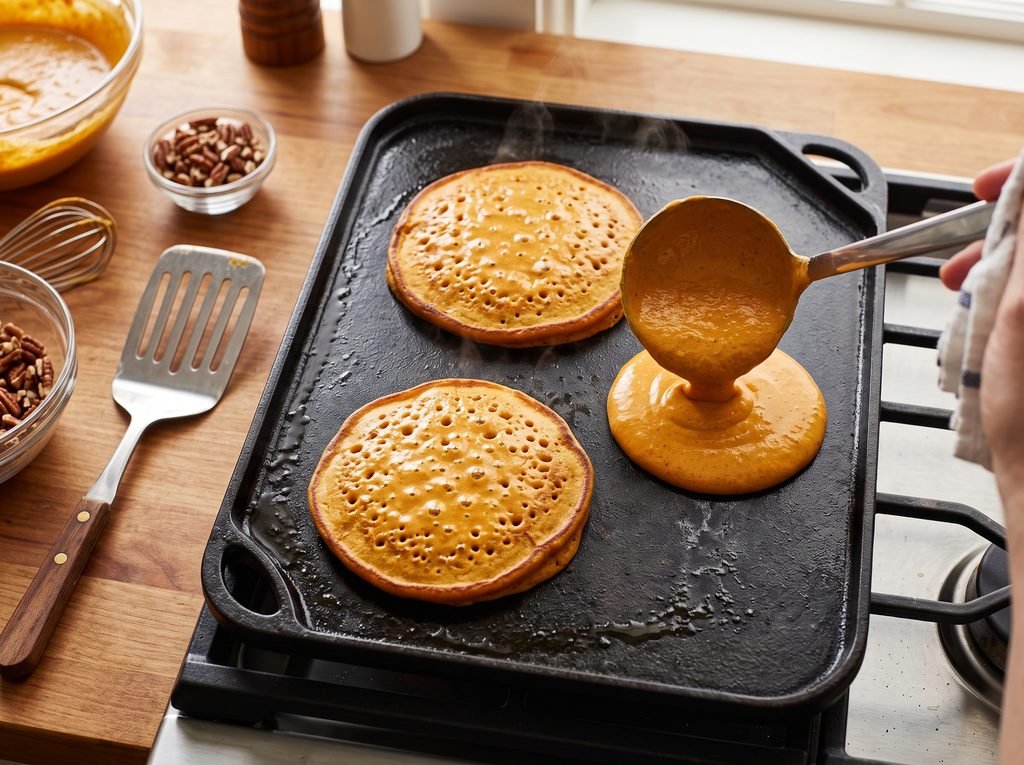
Using a ¼ cup measuring cup, scoop the batter onto the preheated griddle. Use the back of the measuring cup to gently coax the batter into a circle, as this batter will be thicker than traditional pancake batter.
Cook for 3 to 4 minutes on the first side. Look for the edges to set and turn slightly matte. You will see a few bubbles form on the surface, but because this batter is thick, it will not bubble as vigorously as normal pancakes. Carefully lift the edge with a spatula to check for a deep golden-brown color.
Step 7: Flip and Finish
Slide a thin spatula confidently under the pancake and flip it in one quick motion. Cook on the second side for an additional 2 to 3 minutes, or until the center feels firm and springs back slightly when gently pressed.
Transfer the cooked pancakes to a warm plate and repeat the process with the remaining batter, greasing the pan lightly between batches as needed.
Helpful Tips for the Best Results
- Understanding Your Protein Powder: Not all protein powders bake the same way. Whey protein isolate tends to dry out the most when exposed to heat. If using pure whey, keep a close eye on your cooking time. Plant-based proteins (like pea or brown rice) are highly absorbent; if your batter looks like thick cookie dough, do not hesitate to add an extra splash of milk.
- The Water Drop Test: To know if your skillet is at the right temperature, flick a tiny drop of water onto the surface. If it dances and sizzles immediately, the pan is ready. If it evaporates instantly into a puff of steam, the pan is too hot and your pancakes will burn before cooking through.
- Keep Them Warm: If you are cooking for a family, keep the finished pancakes warm while you cook the rest of the batches. Place a wire cooling rack inside a baking sheet and put it in an oven set to 200°F. Place the cooked pancakes on the rack in a single layer. (Do not stack them in the oven, or the steam will make them soggy).
- Wipe the Pan: If you are cooking multiple batches, use a paper towel to carefully wipe out any burned butter or oil from the skillet between batches, then add fresh fat before pouring the next round of batter.
Variations and Substitutions
This recipe is a fantastic foundational formula. Once you master the base, you can easily tweak it to match your cravings or pantry staples.
- Chocolate Chip Pumpkin: For a slightly more indulgent weekend breakfast, fold 2 tablespoons of dark chocolate chips or cacao nibs into the batter just before cooking. The melted chocolate pairs brilliantly with the warm pumpkin spices.
- Pecan Crunch: Add ¼ cup of finely chopped, toasted pecans or walnuts directly into the batter. This adds a beautiful textural contrast and a boost of healthy omega-3 fats.
- Dairy-Free: Ensure your protein powder is plant-based, use almond or oat milk, and cook the pancakes in coconut oil or vegan butter.
- Gluten-Free: Ensure that your oat flour is certified gluten-free (as oats are often processed in facilities that handle wheat).
- The Blender Method: If you are in a rush, you can skip the bowls. Toss the rolled oats (not flour) into a high-speed blender and pulse until powdery. Add all the remaining ingredients directly into the blender and blend on medium just until combined. Let it rest in the blender jar for 5 minutes, then pour directly onto the griddle.
What to Serve With It
While a pat of butter and a drizzle of pure maple syrup is the undisputed classic, these protein pancakes pair wonderfully with a variety of toppings that enhance their nutritional profile.
- Greek Yogurt “Frosting”: Mix a half cup of plain Greek yogurt with a splash of vanilla extract and a teaspoon of maple syrup. Dollop this generously over the hot pancakes for a creamy, tangy topping that adds even more protein.
- Nut Butters: Drizzle melted almond butter, pecan butter, or a natural peanut butter over the stack. The healthy fats will make the breakfast even more satiating.
- Caramelized Apples: Sauté thinly sliced honeycrisp apples in a skillet with a tiny bit of butter, a sprinkle of cinnamon, and a splash of water until they are soft and jammy. Spoon the warm apples over the pancakes.
- Toasted Pepitas: Sprinkle toasted pumpkin seeds over the top of the syrup for a satisfying, savory crunch that ties the pumpkin theme together.
Storage and Reheating
Because these pancakes are so hearty, they are the perfect candidate for Sunday meal prep. Making a double batch is highly recommended.
Refrigerator Storage: Let the cooked pancakes cool completely to room temperature on a wire rack. Once cool, place them in an airtight container or a large zip-top bag. They will stay fresh in the refrigerator for up to 4 days.
Freezer Storage: To freeze, lay the cooled pancakes in a single layer on a parchment-lined baking sheet and place them in the freezer for about an hour. Once they are frozen solid (this “flash freezing” prevents them from sticking together), transfer them to a freezer-safe bag. Squeeze out as much air as possible. They will keep in the freezer for up to 3 months.
Reheating Instructions: The absolute best way to reheat protein pancakes is in the toaster. Pop them straight from the fridge or freezer into a standard toaster on a medium setting. This method crisps up the edges beautifully while warming the center perfectly. You can also microwave them (about 30 seconds for refrigerated, 60 seconds for frozen), but they will be much softer and lack that slightly crispy exterior.
Frequently Asked Questions
Why did my protein pancakes turn out dry and rubbery? This is the most common issue in protein baking. It usually stems from two things: overmixing the batter (which develops tough gluten strings in the oat flour) or overcooking. Whey protein, in particular, becomes very tough when exposed to high heat for too long. Make sure you are cooking on medium-low heat and flipping as soon as the edges set.
Can I use a different type of flour? Yes. If you do not have oat flour, you can substitute it with an equal amount of whole wheat flour or regular all-purpose flour. Coconut flour and almond flour absorb liquid very differently, so you cannot substitute those at a 1:1 ratio without significantly altering the wet ingredients.
Can I make these without protein powder? If you want to skip the protein powder, you will need to replace the lost bulk. Add an additional ¼ cup of oat flour. Keep in mind that this will change the macronutrient profile, making them standard pumpkin oatmeal pancakes rather than a high-protein breakfast.
Is canned pumpkin the same as pumpkin pie filling? No, they are very different. Pure canned pumpkin (or pumpkin purée) contains exactly one ingredient: cooked, mashed pumpkin. Pumpkin pie filling is pre-sweetened and flavored with spices like cinnamon and clove. Always buy pure pumpkin purée for this recipe so you can control the sweetness and spice levels yourself.
How do I know when it is time to flip the pancakes? Traditional pancakes get very bubbly on top before you flip them. Because protein pancake batter is thicker and heavier, you won’t see as many bubbles. Instead, watch the edges. When the very edge of the pancake looks dry and loses its wet shine, and the bottom is golden brown, it is time to flip.
Can I use fresh roasted pumpkin instead of canned? Yes, you absolutely can! Just be aware that homemade pumpkin purée tends to hold more water than the canned variety. You may need to dab your fresh purée with a paper towel to remove excess moisture, or use a tablespoon less milk in the batter to compensate.
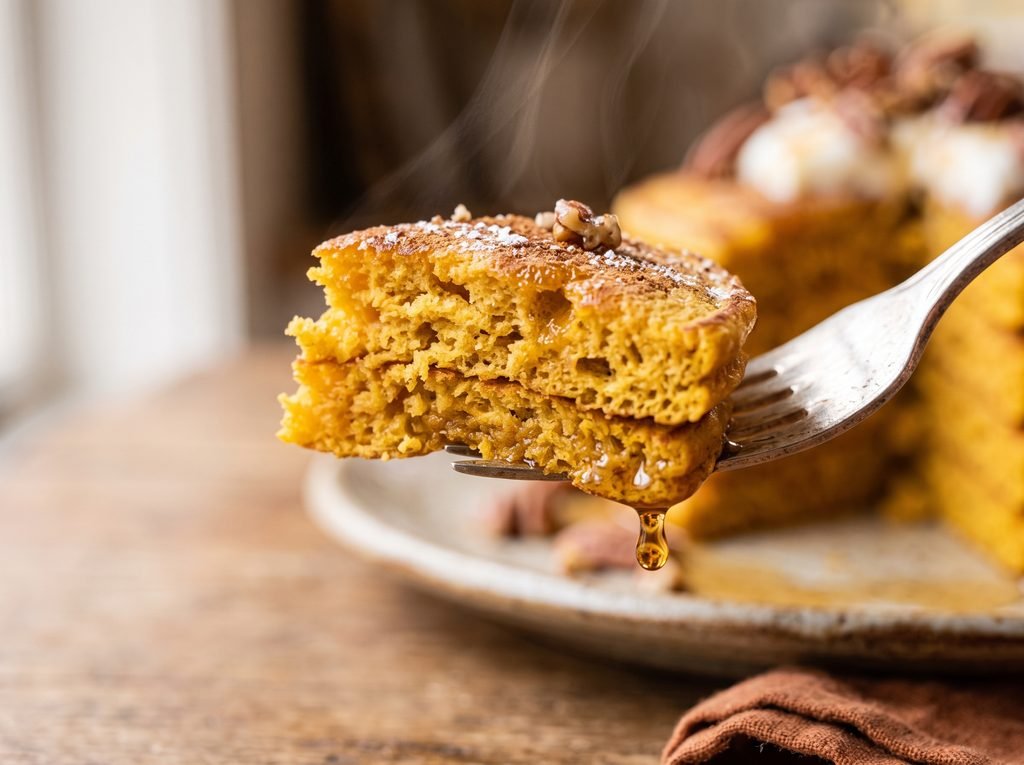
Final Thoughts
Transitioning into the cooler months doesn’t mean you have to abandon your health goals for the sake of comfort food. These protein pumpkin pancakes prove that you really can have the best of both worlds. They deliver the nostalgic, warming spices of autumn, the incredible fluffiness of a weekend diner pancake, and the satiating, muscle-building nutrition of a post-workout meal.
By keeping a can of pumpkin purée and a tub of protein powder in your pantry, you are always just a few minutes away from a breakfast that tastes like a treat but fuels you like a champion. Whip up a batch this weekend, let the aroma of cinnamon and nutmeg fill your kitchen, and enjoy the perfect cozy morning.