
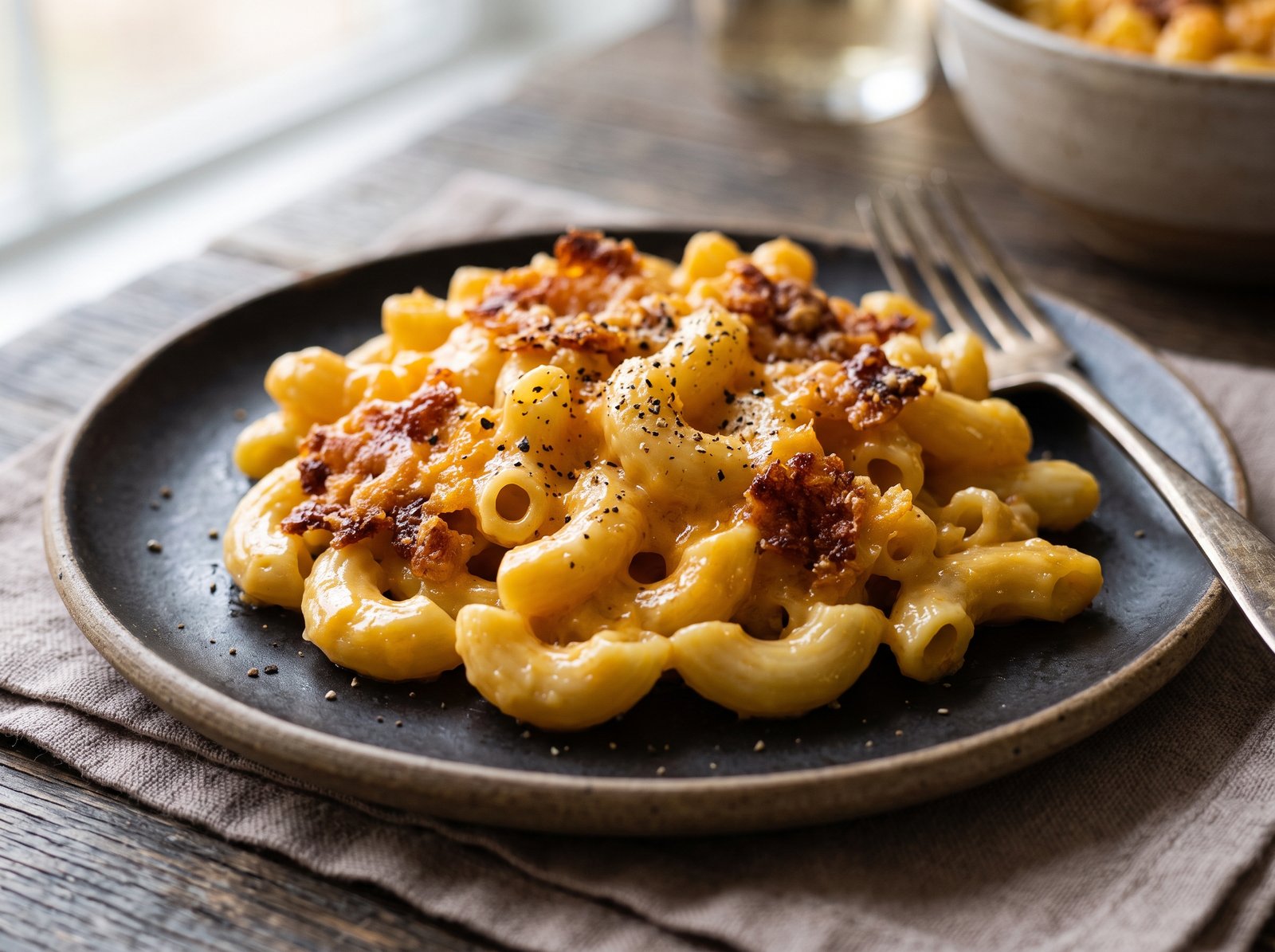
The Ultimate Guide to Cheddar Cheese (Plus Our Best Baked Mac and Cheese)
Open any refrigerator in the United States, and you are almost guaranteed to find a block, bag, or slice of cheddar cheese. It is the undisputed workhorse of the American kitchen. We melt it over juicy smash burgers, fold it into fluffy morning omelets, sprinkle it heavily over bowls of chili, and bake it into bubbling, golden-brown casseroles. Cheddar is familiar, comforting, and undeniably delicious.
Yet, for an ingredient we use so frequently, cheddar cheese is surprisingly complex. There is a world of difference between a mild, rubbery orange block from the discount aisle and a crumbly, crystallized, cloth-bound cave-aged cheddar that bites back. Understanding the nuances of this incredible dairy product—how it is made, why it ages the way it does, and how its moisture content affects its melting point—will instantly elevate your home cooking.
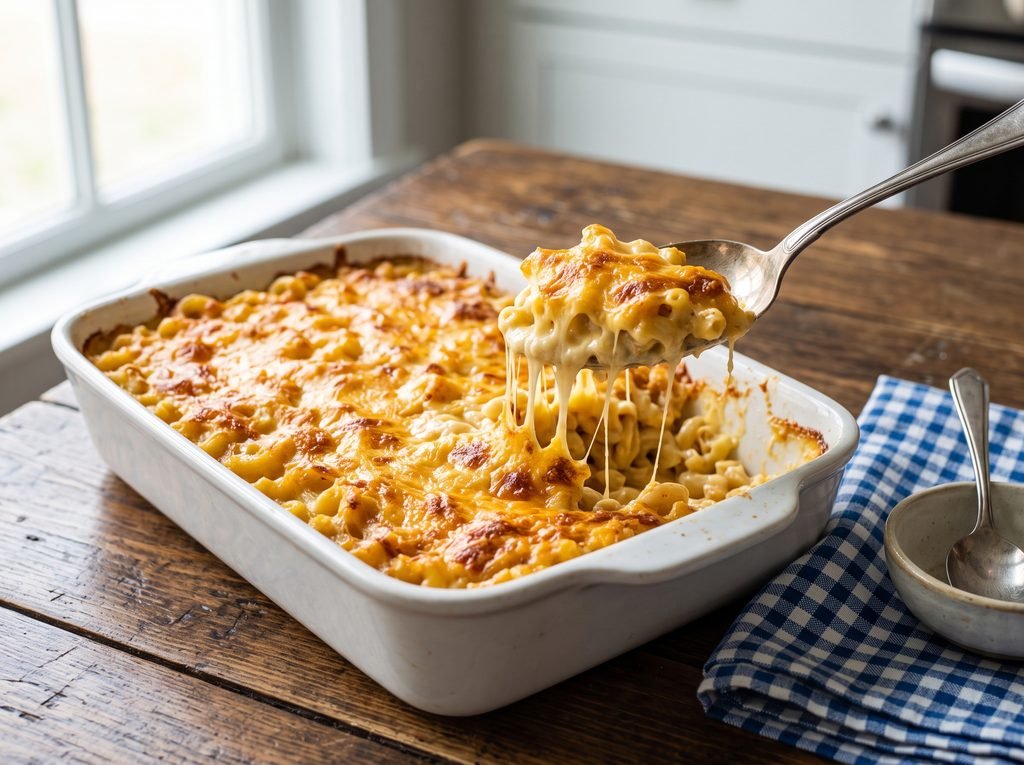
In this comprehensive guide, we are diving deep into the fascinating world of cheddar cheese. We will explore the great debate of white versus orange, break down the aging process, and share the golden rules for cooking with it. To put all that knowledge to good use, we are also sharing the ultimate master recipe for a classic, Southern-style baked cheddar macaroni and cheese. It is rich, incredibly creamy, layered with sharp flavors, and features the iconic baked crust that everyone fights over at the dinner table.
What Is Cheddar Cheese?
Cheddar cheese is a relatively hard, off-white (or deliberately colored orange), natural cheese that originated in the village of Cheddar in Somerset, England. Today, it is the most widely purchased and eaten cheese in the world.
What makes cheddar unique is not just where it came from, but exactly how it is made. Unlike many other cheeses, cheddar undergoes a specific, labor-intensive production step appropriately named “cheddaring.”
After the milk is curdled using rennet and the whey is drained away, the remaining curds are allowed to mat together into large, solid slabs. The cheesemakers then cut these heavy slabs and stack them on top of one another. The sheer weight of the stacked slabs presses out excess moisture and whey. The slabs are repeatedly turned and re-stacked, a process that lowers the pH of the cheese and gives cheddar its signature dense, slightly crumbly, and layered texture.
The Aging Process: Mild, Sharp, and Extra Sharp
When you stand in the dairy aisle, the primary choice you face is the age of the cheddar. Aging is where the magic happens, transforming a simple block of dairy into a complex, savory masterpiece.
- Mild Cheddar: Aged for a very short period, usually around two to three months. It has a high moisture content, a smooth, elastic texture, and a gentle, buttery flavor. Because it retains so much moisture, mild cheddar is the absolute best melter.
- Medium Cheddar: Aged for about three to six months. It strikes a balance, offering a slightly more pronounced, savory tang while still melting relatively well.
- Sharp Cheddar: Aged for six to twelve months. As the cheese loses moisture during the aging process, its texture becomes firmer and slightly more crumbly. The flavor concentrates, developing that signature acidic “bite.”
- Extra Sharp and Aged Cheddars: Aged anywhere from one to five years (and sometimes even longer). These cheeses are crumbly, intense, and often develop tiny, crunchy calcium lactate crystals. While incredible on a charcuterie board, they are poor melters due to their low moisture and high fat-to-protein ratio.
The Great Debate: White vs. Orange Cheddar
Is there a flavor difference between white and orange cheddar? The short answer is no.
All cheddar cheese is naturally off-white or pale yellow, depending on the diet of the cows producing the milk (cows grazing on beta-carotene-rich spring grass produce yellower milk). Centuries ago, cheesemakers began adding a natural plant extract called annatto to their cheese. Originally, this was done to mimic the highly prized, naturally yellow milk of the summer months, creating a consistent product year-round. Today, the tradition continues simply for visual appeal. Annatto is flavorless in the quantities used for cheese making, meaning a sharp orange cheddar and a sharp white cheddar from the same producer will taste exactly the same.
Why You’ll Love This Recipe
While you can eat cheddar straight from the block, there is no better vehicle for sharp cheddar cheese than a homemade baked macaroni and cheese. Here is why this specific recipe will become your new gold standard:
- The Perfect Cheese Blend: This recipe uses sharp cheddar for bold flavor, but cuts it with a little Gruyère to ensure the sauce remains luxuriously smooth and stringy.
- No Grainy Sauces: By building a proper roux and tempering the dairy, this method guarantees a velvety, emulsified cheese sauce that will never separate or turn grainy in the oven.
- The Layering Technique: Instead of just mixing the macaroni into the sauce, we layer the saucy noodles with handfuls of freshly grated cheddar before baking. This creates pockets of pure melted cheese throughout the casserole.
- No Breadcrumbs Required: While some love a breadcrumb topping, true Southern-style baked mac and cheese relies entirely on the cheese itself to form a beautifully browned, slightly crispy, caramelized top crust.
- Crowd-Pleasing Comfort: Whether it is a holiday side dish, a neighborhood potluck, or a Sunday family dinner, this dish is universally adored and highly requested.
Ingredients
To make the ultimate baked cheddar macaroni and cheese, you need high-quality ingredients. Exact measurements are crucial for a stable cheese sauce.
- Elbow Macaroni: (1 pound / 16 ounces) The classic choice. The hollow tubes trap the rich cheese sauce perfectly. You can also use cavatappi or medium shells.
- Sharp Cheddar Cheese: (1 ½ pounds / 24 ounces) You must buy this in block form and grate it yourself. We will divide this into the sauce and the layers.
- Gruyère Cheese: (8 ounces) A sweet, nutty Swiss cheese that melts like an absolute dream. It elevates the cheddar without overpowering it.
- Unsalted Butter: (½ cup / 1 stick) The foundation of our roux. Using unsalted butter allows you to control the final sodium level.
- All-Purpose Flour: (½ cup) Combines with the butter to thicken the milk into a silky béchamel sauce.
- Whole Milk: (3 cups) Do not use skim or 2% milk. The fat in whole milk is required for a rich, stable sauce.
- Heavy Cream: (1 cup) Adds an extra layer of decadence and richness to the sauce.
- Dry Mustard Powder: (1 teaspoon) This is the secret ingredient in any cheddar dish. Mustard naturally enhances the tanginess of the cheddar cheese.
- Garlic Powder: (1 teaspoon) Adds a savory, aromatic depth.
- Smoked Paprika: (½ teaspoon) Provides a very subtle background smokiness and beautiful color.
- Kosher Salt and Black Pepper: (To taste) Essential for seasoning the sauce.
How to Make Ultimate Cheddar Macaroni and Cheese
Making a baked macaroni and cheese from scratch requires a little patience, specifically when building the sauce. Follow these steps closely to ensure a perfectly smooth result.
Step 1: Prep and Grate
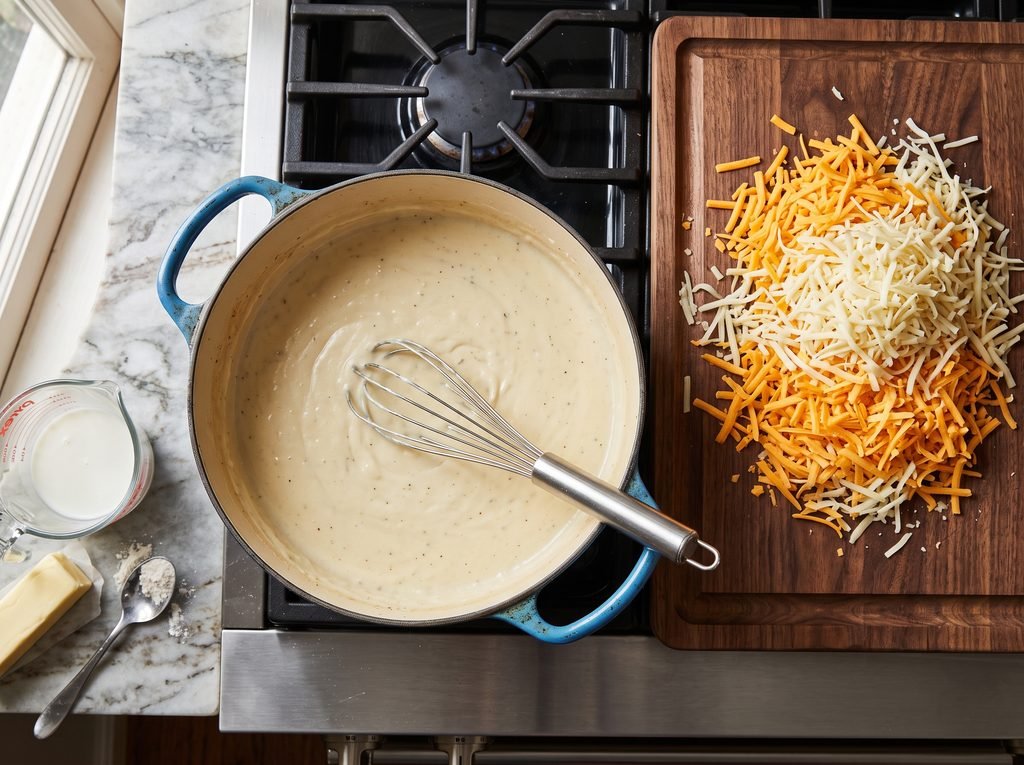
Preheat your oven to 350°F. Lightly grease a 9×13-inch glass or ceramic baking dish with butter or non-stick spray. Take the time to grate all your block cheese on the large holes of a box grater. Toss the grated sharp cheddar and Gruyère together in a large bowl. Divide the huge pile of cheese roughly in half. One half will melt into the sauce, and the other half will be used for layering.
Step 2: Boil the Pasta
Bring a large pot of heavily salted water to a rolling boil. Add the elbow macaroni and cook it for 1 minute less than the package directions for al dente. The pasta should still have a distinct bite to it. It will continue to cook and absorb liquid in the oven; if you boil it until it is completely soft, it will turn to mush when baked. Drain the pasta well and set it aside.
Step 3: Warm the Dairy
In a medium saucepan or large glass measuring cup, gently warm the whole milk and heavy cream together until they are just steaming (you can do this on the stove or in the microwave). Adding warm dairy to a hot roux prevents the sauce from clumping and speeds up the thickening process.
Step 4: Build the Roux
In a large, heavy-bottomed Dutch oven or stockpot, melt the stick of unsalted butter over medium heat. Once the butter is melted and bubbling, sprinkle in the all-purpose flour. Whisk continuously for about 2 minutes. The mixture will look like wet sand and should smell slightly nutty. Do not let it turn brown.
Step 5: Create the Béchamel
Slowly pour the warm milk and cream mixture into the roux, whisking constantly and vigorously as you pour. The sauce will thicken rapidly at first, then smooth out. Continue to cook and whisk over medium heat for 4 to 5 minutes until the sauce is thick enough to coat the back of a wooden spoon.
Step 6: Season the Sauce
Remove the pot completely from the heat. Whisk in the dry mustard powder, garlic powder, smoked paprika, and a generous pinch of kosher salt and black pepper.
Step 7: Melt the Cheese
With the pot still off the heat, begin adding half of your grated cheese mixture into the hot béchamel, a handful at a time. Stir gently until each handful is completely melted and smooth before adding the next. (Melting the cheese off the heat prevents the proteins from seizing and breaking the sauce).
Step 8: Combine and Layer
Fold the drained, slightly undercooked macaroni into the cheese sauce, stirring until every noodle is heavily coated. Pour exactly half of the cheesy pasta mixture into your prepared 9×13-inch baking dish. Take half of your remaining grated cheese (from the pile you saved for layering) and sprinkle it evenly over the pasta in the dish. Top with the remaining cheesy pasta mixture. Finally, cover the entire top of the casserole with the very last of the grated cheese.
Step 9: Bake
Bake uncovered in the preheated 350°F oven for 25 to 30 minutes. You are looking for the edges to be bubbling vigorously and the cheese on top to be melted, golden brown, and slightly crusty around the perimeter.
Step 10: Rest
This is the hardest step, but the most important. Remove the macaroni and cheese from the oven and let it sit on the counter for 10 to 15 minutes before serving. This resting period allows the molten cheese sauce to set up and cling to the noodles, ensuring it does not run all over the plate when you scoop it.
Helpful Tips for the Best Results
- Never Buy Pre-Shredded Cheese: This is the golden rule of cooking with cheddar. Bags of pre-shredded cheese are coated in anti-caking agents like potato starch or cellulose to keep the shreds from clumping in the bag. These powders ruin the texture of a cheese sauce, making it grainy and preventing it from melting smoothly. Always buy block cheese and grate it yourself.
- Balance Your Cheddar: While a 5-year aged cheddar tastes incredible on a cracker, its low moisture content will cause your sauce to break and turn oily. Stick to a sharp or medium cheddar for the bulk of your cooking, as they provide the best balance of robust flavor and melting capability.
- Keep the Heat Low: When melting cheese into a liquid, heat is your enemy. Exposing cheddar to a boiling liquid will cause the proteins to rapidly tighten and squeeze out their fat. This results in a sauce that looks like an oil slick with grainy clumps of protein floating in it. Always remove your pan from the heat before adding the cheese.
- Room Temperature Cheese: If you have the time, let your block of cheddar sit on the counter for 30 minutes before grating. Cheese closer to room temperature will melt into your sauce much faster and smoother than cold cheese straight from the fridge.
Variations and Substitutions
This cheddar macaroni and cheese is a fantastic blank canvas. You can easily modify the recipe to suit your cravings or utilize what you have in the refrigerator.
- Bacon and Jalapeño: For a smoky, spicy kick, fold in 1 cup of crumbled, crispy cooked bacon and ½ cup of finely diced, pickled jalapeños into the pasta before layering it in the baking dish.
- The Breadcrumb Topping: If you prefer a crunchy contrast, melt 2 tablespoons of butter and toss it with 1 cup of panko breadcrumbs. Sprinkle this buttery mixture over the top layer of cheese before baking.
- Different Cheese Blends: While sharp cheddar is the star, you can substitute the Gruyère with other great melting cheeses. Fontina, Gouda, Monterey Jack, or even a low-moisture mozzarella all work beautifully to provide different flavor profiles and textures.
- Buffalo Chicken: Stir 2 cups of shredded rotisserie chicken and ½ cup of your favorite buffalo hot sauce into the cheesy pasta mixture before baking for a hearty, game-day favorite.
What to Serve With It
A rich, heavy dish like baked cheddar macaroni and cheese pairs best with contrasting flavors—think smoky, acidic, or deeply savory main courses and sides.
- Barbecue: This is the ultimate side dish for smoked beef brisket, pulled pork sandwiches, or sticky, slow-cooked BBQ ribs.
- Fried Chicken: A classic Southern pairing. The crispy, salty exterior of buttermilk fried chicken is a match made in heaven with creamy cheddar noodles.
- Crisp Green Salad: To cut through the heaviness of the dairy, serve alongside a bright, peppery arugula salad tossed in a sharp lemon and olive oil vinaigrette.
- Roasted Vegetables: Charred broccoli florets, roasted Brussels sprouts with bacon, or garlicky green beans provide a necessary vegetable balance to the plate.
Storage and Reheating
Properly storing and reheating leftover macaroni and cheese is key to maintaining that creamy texture, as pasta acts like a sponge in the refrigerator.
Storage: Allow the casserole to cool completely to room temperature. Transfer leftovers to an airtight container, or tightly cover the baking dish with plastic wrap and aluminum foil. It will keep well in the refrigerator for up to 4 days.
Reheating in the Oven: To reheat a large portion, preheat your oven to 350°F. The pasta will have absorbed a lot of the sauce in the fridge, so splash a few tablespoons of milk over the top of the pasta to rehydrate it. Cover tightly with foil and bake for 20 to 25 minutes until hot and bubbly. Reheating in the Microwave: For individual portions, place the mac and cheese in a microwave-safe bowl. Stir in a splash of milk or cream. Cover loosely with a damp paper towel and microwave on 50% power in 1-minute bursts, stirring gently in between, until heated through. Heating slowly on a lower power setting prevents the cheddar sauce from breaking and separating into an oily mess.
Frequently Asked Questions
Why did my cheddar cheese sauce separate and turn oily? This is the most common issue when cooking with cheddar. It happens when the sauce gets too hot. Boiling temperatures cause the proteins in the cheese to seize up, squeezing out the fat (the oil) and leaving behind grainy, curdled proteins. Always melt your cheese gently, completely off the direct heat.
Can I freeze block cheddar cheese? While you technically can freeze cheddar, it is not recommended if you plan to eat it sliced on crackers. Freezing changes the molecular structure of the cheese, making it incredibly crumbly and slightly dry when thawed. However, if you are freezing it with the sole intention of grating it and melting it into a soup or casserole later, it will work just fine.
Why does my homemade mac and cheese taste bland? Usually, this comes down to two things: a lack of salt, or using a cheddar that is too young. Make sure you are using a sharp cheddar for cooking, as the flavor will dilute slightly when mixed with the milk and pasta. Additionally, ensure you heavily salt your pasta water, and do not forget the dry mustard powder, which amplifies the cheese flavor.
Can I use pre-shredded cheese in a pinch? You can, but you must accept that the texture will be compromised. The cellulose coating on bagged cheese will thicken your sauce unpredictably and often results in a slightly grainy, dull finish rather than a glossy, smooth cheese pull.
What is the difference between mild and sharp cheddar? The only difference is time. Mild cheddar is aged for a few months, keeping it soft and buttery. Sharp cheddar is aged longer (six months to a year or more), allowing moisture to evaporate and flavors to concentrate, resulting in a firmer texture and a tangy, acidic bite.
Is cheddar cheese naturally orange? No, all cow’s milk cheese is naturally a shade of off-white or pale yellow. Orange cheddar gets its color from annatto, a natural, flavorless plant extract added during the cheese-making process purely for visual tradition.
Final Thoughts
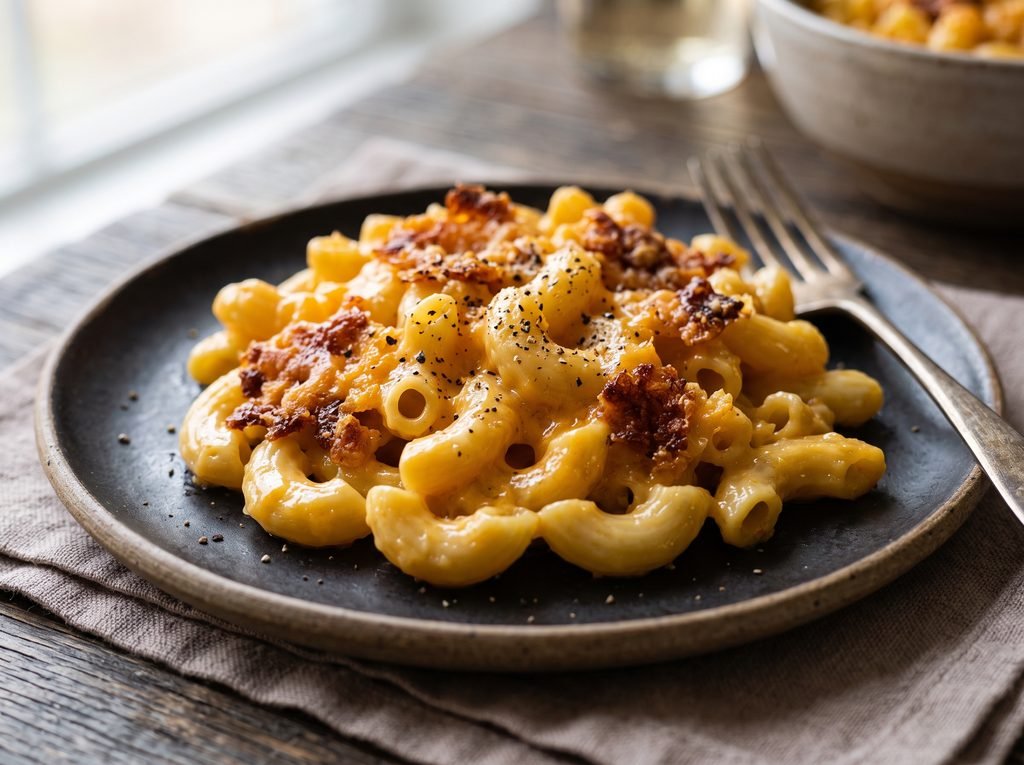
Cheddar cheese is a culinary marvel. It is affordable, highly accessible, and profoundly versatile. Whether you are enjoying a slice of aged, crystalized white cheddar with a crisp apple, or melting a sharp yellow block into a bubbling, crusty casserole, it brings a savory warmth to the table that few other ingredients can match. By understanding how to choose the right age, the importance of grating it yourself, and the gentle heat required to melt it properly, you will unlock the full potential of this American favorite. Grab a block of sharp cheddar, fire up the oven, and treat yourself to a pan of homemade macaroni and cheese—you will never look at the dairy aisle the same way again.