

The Ultimate Guide to the Best Cheddar Cheese Soup Recipes
When the weather turns crisp and you need a meal that warms you completely from the inside out, few things compare to a steaming, velvety bowl of homemade cheddar cheese soup. While it might be tempting to grab a can from the grocery store aisle or wait in a drive-thru line for a quick fix, making this classic comfort food in your own kitchen is a true culinary game-changer.
Rich, deeply savory, and incredibly satisfying, a great cheese soup relies on simple, everyday ingredients to create something spectacular. But if you have ever searched for cheddar cheese soup recipes, you know that the options can feel overwhelming. Should you make a classic creamy cheddar? A hearty broccoli cheddar? A robust, malty beer cheese soup?
The secret to mastering all of these favorites is understanding that they all start with the exact same foundational technique. By building a proper flavor base with fresh aromatics, creating a simple roux, and finishing with carefully selected, hand-grated sharp cheddar, you can avoid the artificial aftertaste and gummy textures that often plague store-bought or poorly executed versions.
This comprehensive guide will teach you the core science behind melting cheese perfectly, walk you through our foolproof master recipe, and show you how to easily adapt that single pot into several different incredible cheddar cheese soup recipes. Grab a loaf of crusty French bread for dipping, and let’s get cooking.

What Are Cheddar Cheese Soup Recipes?
At their core, cheddar cheese soup recipes are rich, dairy-based soups that highlight the tangy, earthy, and savory notes of cheddar cheese. Originating from the dairy-heavy culinary traditions of the American Midwest—particularly Wisconsin, which is famous for its cheese production—these soups start with a standard French culinary foundation.
You begin by building flavor with a mirepoix, which is a classic mixture of finely diced onions, carrots, and celery sautéed in butter. Next comes the roux, a simple cooked paste of butter and flour that acts as the primary thickening agent for the soup. Once the roux is golden and bubbly, chicken broth (or vegetable broth) is whisked in to create a smooth, velvety liquid base. This is followed by milk or heavy cream to provide richness. Finally, generous handfuls of sharp cheddar cheese are slowly melted into the pot.
While broccoli cheddar soup is perhaps the most famous variation found in American bakery-cafes, a pure cheddar soup stands confidently on its own. It serves as a beautiful, unadulterated celebration of the cheese itself. The consistency is thick enough to coat the back of a spoon, making it the ultimate pairing for soft pretzels, sourdough bread bowls, or crispy crackers. Because the base is so versatile, learning one master recipe unlocks a world of different flavor profiles.
The Science of Melting: Why Grating Your Own Cheese Matters
Before we dive into the ingredients and instructions, it is incredibly important to understand how cheese melts. The most common complaint home cooks have when making cheddar cheese soup recipes is that the broth turns grainy, separated, or curdled. This happens when the delicate protein structures within the dairy break down.
Cheese is essentially an emulsion of dairy fat, proteins, and water. When it is exposed to boiling temperatures, the proteins seize up and tightly bind together. As they squeeze together, they force all the fat and moisture out. The result? A greasy layer of oil floating on top of your soup, and gritty, grainy clumps of protein sinking to the bottom.
To achieve a restaurant-quality, silky-smooth cheddar soup, you must follow two golden culinary rules:
First, absolutely never boil the soup once the cheese is added. In fact, the safest and most reliable method is to remove the pot from the heat completely before stirring the cheese in. The residual heat of the broth and milk is more than enough to melt the cheddar gently and evenly.
Second, never use pre-shredded cheese in a bag. Commercial shredded cheese is coated with anti-caking agents, usually cellulose (wood pulp) or potato starch, to keep the shreds from clumping together in the packaging. While these powders are completely food-safe and great for tossing onto a cold salad, they prevent the cheese from melting smoothly into a hot liquid, virtually guaranteeing a gritty, powdery texture in your soup. Always buy a high-quality block of cheddar and grate it yourself.
Why You’ll Love This Master Recipe
- Velvety Smooth Texture: Because we utilize proper culinary techniques—like tempering the dairy, removing the pot from the heat before adding the cheese, and grating from a block—this recipe guarantees a silky, luxurious finish every single time.
- Ready in Under 45 Minutes: From chopping the vegetables to ladling the hot soup into bowls, this entire meal comes together incredibly fast on the stovetop. It is the perfect solution for a comforting weeknight dinner.
- Highly Customizable: This serves as the perfect “master recipe.” Once you know how to make this base, you can create endless variations of cheddar cheese soup recipes just by swapping a few ingredients.
- Family-Friendly Comfort: The familiar, comforting flavor of cheddar makes this a guaranteed hit with picky eaters, while the sophisticated aromatics keep the adults coming back for seconds.
Ingredients for the Master Cheddar Cheese Soup
To make the best homemade cheddar soup, you need high-quality ingredients. Here is exactly what you will need for the base recipe, and why each component is important:
- 1/4 cup Unsalted Butter: Used to cook the vegetables and form the base of the roux. Unsalted butter allows you to perfectly control the sodium level of the final dish.
- 1 medium Yellow Onion (finely chopped): This provides a sweet, savory aromatic base.
- 2 medium Carrots (finely diced or grated): Carrots add a touch of natural sweetness that balances the sharp cheese, plus they provide beautiful flecks of color throughout the bowl.
- 2 stalks Celery (finely diced): This rounds out the classic mirepoix flavor profile.
- 3 cloves Garlic (minced): Fresh garlic adds a pungent depth that elevates the entire pot of soup.
- 1/4 cup All-Purpose Flour: This acts as our thickener. When cooked with the butter, it creates the roux that gives the soup its hearty body.
- 2 cups Low-Sodium Chicken Broth: Provides a savory, meaty depth of flavor. (You can easily substitute a high-quality vegetable broth to make this dish vegetarian).
- 2 cups Whole Milk: Adds creaminess without making the soup overwhelmingly heavy. Avoid skim milk, as the lack of fat can lead to a watery texture.
- 1/2 cup Heavy Cream: This is the secret to a luxurious, restaurant-quality mouthfeel.
- 1 teaspoon Dry Mustard Powder: A critical secret ingredient. It does not make the soup taste like mustard; instead, mustard powder acts as a natural emulsifier and dramatically enhances the sharp flavor of the cheddar.
- 1/2 teaspoon Smoked Paprika: Adds a very subtle hint of warmth, smokiness, and a beautiful golden color.
- 1/2 teaspoon Kosher Salt (plus more to taste): Always use kosher salt rather than fine table salt for better flavor control.
- 1/4 teaspoon Freshly Ground Black Pepper: For a slight, aromatic bite.
- 16 ounces Sharp Yellow Cheddar Cheese (freshly grated): This will yield about 4 loosely packed cups of shredded cheese. Sharp cheddar is mandatory here; mild cheddar will lose its flavor when mixed with the milk and broth.
How to Make the Master Cheddar Cheese Soup
- Prep Time: 15 minutes
- Cook Time: 25 minutes
- Total Time: 40 minutes
- Servings: 6
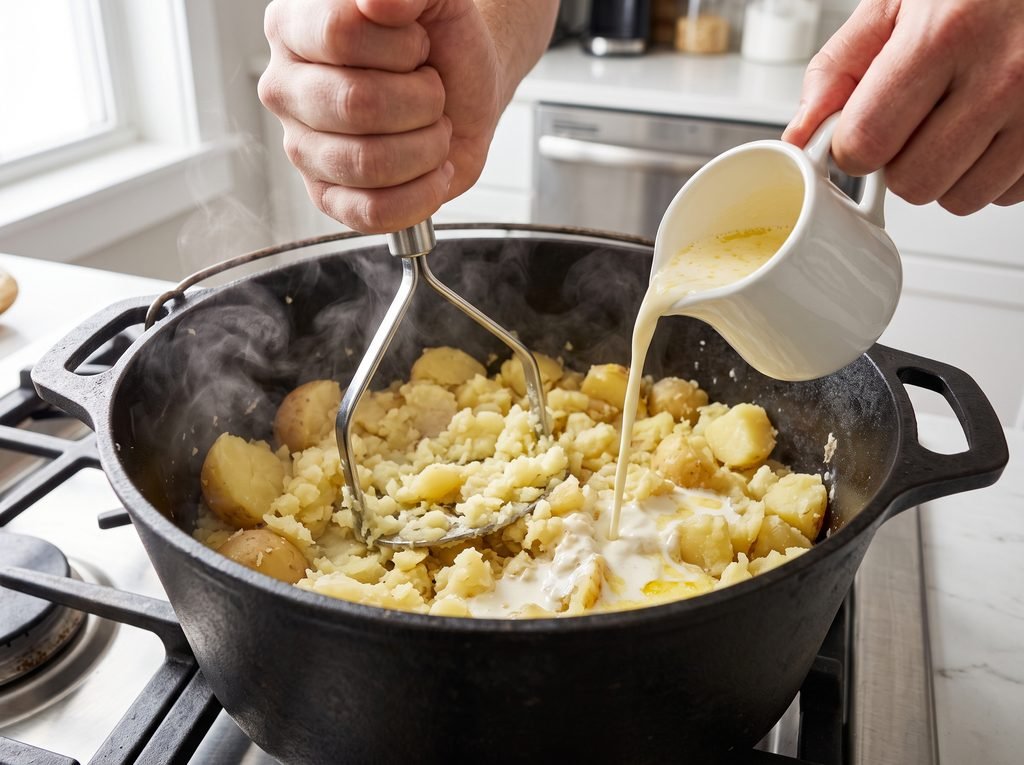
Step 1: Sauté the Aromatics
Place a large Dutch oven or a heavy-bottomed soup pot over medium heat. Add the unsalted butter and allow it to melt completely. Once the butter is foaming, add the finely chopped yellow onion, diced carrots, and diced celery. Cook the vegetables, stirring occasionally, for about 6 to 8 minutes. You want the vegetables to become very tender and the onions to turn translucent. Add the minced garlic and cook for 1 additional minute, stirring constantly so the garlic does not burn and become bitter.
Step 2: Create the Roux
Sprinkle the all-purpose flour evenly over the sautéed vegetables and butter. Stir constantly with a wooden spoon for 1 to 2 minutes. The flour should coat the vegetables entirely and turn a pale golden color. Cooking the flour during this step is essential; it removes the raw flour taste and toasts the starches, ensuring a rich flavor and proper thickening power.
Step 3: Whisk in the Liquids
Slowly pour in the chicken broth, whisking constantly to prevent any flour lumps from forming. Use your whisk to scrape the bottom of the pot, lifting any browned bits (fond) into the liquid. Once the broth is fully incorporated and smooth, slowly whisk in the whole milk and the heavy cream.
Step 4: Season and Simmer
Stir in the dry mustard powder, smoked paprika, kosher salt, and freshly ground black pepper. Bring the soup to a very gentle simmer. Do not let it come to a rapid boil, as high heat can cause the milk and cream to curdle. Reduce the heat to medium-low and let the soup simmer, uncovered, for 10 to 15 minutes. Stir occasionally, making sure the bottom is not scorching. The soup is ready for the next step when it has thickened enough to coat the back of your spoon.
Step 5: Melt in the Cheese (The Crucial Step!)
Remove the pot entirely from the heat. This is the absolute most important step for smooth soup! Grab your freshly grated sharp cheddar cheese. Add it into the hot liquid one small handful at a time. Stir gently with a whisk or wooden spoon until that handful is completely melted and smooth before adding the next handful. Rushing this process by dumping all the cheese in at once lowers the temperature too quickly and causes clumping.
Step 6: Taste and Serve
Once all 16 ounces of the cheese are beautifully melted into the soup, give it a taste. Depending on the saltiness of the brand of chicken broth and the specific cheese you used, you may need to add an extra pinch of kosher salt or black pepper. Ladle the hot soup into warm bowls and serve immediately.
Three Popular Cheddar Cheese Soup Recipes (Variations)
The brilliance of the master recipe above is that it serves as a blank canvas. By tweaking just a few ingredients, you can easily create the three most requested cheddar cheese soup recipes in America.
1. Classic Broccoli Cheddar Soup
To transform the master recipe into a Panera-style broccoli cheddar soup, you will need 3 cups of fresh broccoli florets, chopped into very small, bite-sized pieces.
- How to adapt it: Follow the master recipe through Step 3 (whisking in the liquids). Right before you bring the soup to a simmer in Step 4, add the chopped broccoli directly into the pot. Let the soup simmer for about 15 to 20 minutes, or until the broccoli is completely tender and easily pierced with a fork. Once the broccoli is cooked, remove the pot from the heat and proceed with adding the cheese as instructed in Step 5.
2. Wisconsin Beer Cheese Soup
Beer cheese soup is a staple in Midwestern pubs and is traditionally served with large, soft baked pretzels for dipping. The maltiness of the beer pairs incredibly well with the sharpness of the cheddar.
- How to adapt it: During Step 3, instead of using 2 cups of chicken broth, use 1 cup of chicken broth and 1 cup of a mild beer. A standard lager, an amber ale, or a pilsner works beautifully. Do not use heavy stouts or hoppy IPAs, as the intense bitterness of the hops will become magnified as the soup simmers and completely ruin the flavor profile. Proceed with the rest of the recipe exactly as written.
3. Loaded Baked Potato & Bacon Cheddar Soup
If you want a soup that eats like a heavy, hearty meal, this loaded potato variation is incredible.
- How to adapt it: Before Step 1, chop 6 slices of thick-cut bacon and fry them in your Dutch oven until crispy. Remove the bacon with a slotted spoon and set it aside to use as a garnish later. Leave about 2 tablespoons of the bacon grease in the pot, and reduce the unsalted butter in Step 1 to just 2 tablespoons. Sauté your aromatics in the butter/bacon grease mixture. During Step 3, add 2 cups of peeled, finely diced Russet potatoes along with the liquids. Simmer for 15 to 20 minutes until the potatoes are tender, then finish with the cheese. Top each bowl with the reserved crispy bacon and fresh green onions.
Helpful Tips for the Best Results
- Choose the Right Cheddar: A sharp or extra-sharp yellow cheddar is the gold standard for these soups. It provides the classic, vibrant orange hue and a punchy, savory flavor that can stand up to the milk and broth. Mild cheddar will simply get lost.
- Consider a Cheese Blend: While cheddar is the star, replacing 4 ounces of the cheddar with a fantastic melting cheese like Gruyère, Fontina, or Monterey Jack can yield an even silkier texture and a slightly more complex flavor profile.
- Room Temperature Dairy: If possible, take your milk and heavy cream out of the refrigerator about 30 minutes before you start cooking. Pouring freezing cold milk directly into a hot pot can lower the temperature too aggressively and shock the roux.
- Texture Control: If you prefer a completely smooth, velvety soup without any chunks of onion, celery, or carrots, you can use an immersion blender to puree the soup right before you add the cheese. (Do not blend the soup after the cheese is added, as the fast mechanical action can sometimes ruin the emulsion).
What to Serve With Cheddar Cheese Soup
A rich, heavy soup demands side dishes that offer a contrast in texture and flavor, or a high-quality bread designed to soak up every last drop.
- Bread Bowls: For a true restaurant-style, nostalgic experience, hollow out small, round sourdough loaves and ladle the hot soup directly inside. The tang of the sourdough pairs perfectly with the cheddar.
- Crusty Breads and Pretzels: A warm, crusty French baguette or homemade soft baked pretzels are practically mandatory for wiping the bowl clean.
- A Crisp, Acidic Salad: Because the soup is so rich and dairy-heavy, a bright, acidic side salad makes a brilliant companion. Try mixed baby greens tossed with thinly sliced green apples, candied pecans, dried cranberries, and a sharp apple cider vinaigrette.
- The Ultimate Soup and Sandwich Combo: Pair small cups of this soup with a hearty turkey and apple panini, or a classic BLT (bacon, lettuce, and tomato) sandwich.
- Toppings Bar: If serving a crowd, set up a garnish station. Offer homemade garlic croutons, extra shredded cheese, chopped fresh chives, crispy crumbled bacon, and a bottle of hot sauce.
Storage and Reheating Instructions
Dairy-heavy soups require a little bit of care when storing and reheating to maintain their luscious, silky texture.
- How to Store: Allow the leftover soup to cool down to room temperature. Transfer it to an airtight container and store it in the refrigerator for up to 3 to 4 days.
- How to Reheat: The microwave can be too aggressive for cheese soup, often causing the fat to separate and the soup to break. The absolute best way to reheat cheddar soup is on the stovetop over medium-low heat. Stir it frequently and heat it gently just until it is warmed through. Do not let it come to a boil! If the soup has thickened too much in the fridge overnight, simply whisk in a splash of whole milk or chicken broth to loosen it up.
- Can You Freeze Cheddar Soup? Freezing is generally not recommended for soups heavily reliant on dairy and cheese. When frozen and thawed, the dairy separates, and the cheese becomes terribly grainy. If you absolutely must freeze it, do so for no longer than 2 months. Thaw it overnight in the refrigerator and reheat it very slowly on the stove, whisking vigorously to try and bring the emulsion back together.
Frequently Asked Questions
Why did my cheddar soup get grainy? Graininess in cheese soup is almost always caused by two critical errors: using pre-shredded bagged cheese (which contains anti-caking starches that ruin the melt) or adding the cheese while the soup is actively boiling or simmering on the stove. Always grate your own block cheese and remove the pot from the heat before gently stirring it in.
Can I make this soup in a slow cooker? Yes, though it requires tweaking the method. You can slow cook the sautéed aromatics, broth, and some diced potatoes (if using) on LOW for about 4 to 6 hours. However, you must wait until the very end to stir in a slurry of milk and cornstarch to thicken it, followed by the freshly grated cheese. Never slow-cook the dairy and cheese all day, or it will inevitably curdle and separate.
Can I use half-and-half instead of whole milk and heavy cream? Absolutely. If you want to simplify your grocery list or lighten the recipe slightly, you can replace the 2 cups of whole milk and 1/2 cup of heavy cream with 2.5 cups of half-and-half. The final result will still be wonderfully creamy.
How do I thicken my cheese soup if it turned out too thin? If you have simmered the soup and it still feels too thin before adding the cheese, create a quick cornstarch slurry. Whisk 1 tablespoon of cornstarch with 1 tablespoon of cold water until completely smooth, then whisk it into the simmering soup. Let it cook for 2 more minutes to activate the starch and thicken before removing from the heat and adding the cheese.
Is this cheddar soup recipe vegetarian? As written, the master recipe uses chicken broth, so it is not vegetarian. However, you can easily make it 100% vegetarian by swapping the chicken broth for a high-quality, low-sodium vegetable broth.
Does the dry mustard make the soup taste like mustard? Not at all. Dry mustard powder acts as a flavor enhancer, much like vanilla extract does in a chocolate cake. It brightens the savory notes of the cheese and helps emulsify the fats, ensuring a smoother soup without leaving a distinct mustard flavor behind.

Final Thoughts
Mastering the art of a perfect cheese soup is a skill that will serve you well through countless chilly evenings and cozy family dinners. By taking the time to build a flavorful aromatic base, keeping your stovetop heat gentle, and insisting on freshly grated sharp cheddar, you will create a meal that feels both luxurious and deeply comforting. Whether you stick to the classic master recipe, fold in fresh broccoli, or experiment with a malty beer cheese variation, these cheddar cheese soup recipes are bound to become permanent staples in your seasonal rotation. Grab a spoon, slice up some crusty bread, and enjoy the ultimate bowl of comfort.