
The Ultimate Guide to the Best Steak Dinner Ideas (Plus Our Signature Garlic Butter Seared Steak)
There is something undeniably special about a steak dinner. Searing a beautiful cut of beef transforms a regular evening into an occasion, filling the kitchen with the rich, savory aromas of browned butter, fresh herbs, and toasted garlic. But while a classic steakhouse spread is always a fantastic choice, relying on the same preparation every time means missing out on the incredible versatility that beef has to offer.
Steak does not always have to be a heavy, standalone centerpiece. It can be thinly sliced and tossed into a vibrant, acidic salad, wok-fried with crisp vegetables for a quick weeknight meal, or folded into warm tortillas for a lively family dinner. Finding the right dinner ideas for steak comes down to matching the cut of meat to the flavor profile you are craving.
This guide will walk you through ten distinct and delicious ways to build a meal around steak, covering everything from light and healthy options to deeply comforting classics. Because every great steak dish starts with a fundamental cooking technique, we are also including our master recipe for the perfect garlic herb butter pan-seared steak. Once you master this foundational method, your dinner possibilities are endless.
What Are Steak Dinner Ideas?
When we talk about steak dinner ideas, we are looking beyond simply putting a slab of grilled meat on a plate next to a baked potato. While that classic combination is timeless, steak is an incredibly dynamic ingredient that can serve as the foundation for dozens of different cuisines and flavor profiles.
Steak dinner ideas encompass everything from rapid, high-heat stir-fries utilizing economical cuts like flank or skirt steak, to slow-simmered comfort foods like beef stroganoff that transform tougher cuts into melt-in-your-mouth morsels. It is about understanding that a single pound of high-quality beef can be stretched to feed a family of four when incorporated into pastas, grain bowls, or heavy salads. By rotating through different flavor profiles—Asian, Tex-Mex, Mediterranean, and classic French—you can enjoy steak regularly without it ever feeling repetitive or overly heavy.
Why You’ll Love Exploring New Steak Dinners
- Incredible Versatility: Steak plays nicely with almost every flavor profile, from the bold, spicy punch of a chimichurri sauce to the rich, creamy depth of a blue cheese dressing.
- Time-Saving Potential: Many cuts of steak, particularly skirt, flank, and sirloin, cook in under ten minutes. If you have your ingredients prepped, a steak-centric dinner can be faster than ordering takeout.
- Economical Stretching: Serving a large ribeye to every person at the table gets expensive quickly. Slicing that same ribeye to top a massive, vegetable-rich salad or an intricate rice bowl stretches your grocery budget while still feeling luxurious.
- Customizable for Dietary Needs: Steak is naturally low-carb and protein-rich. It easily adapts to keto, paleo, gluten-free, or whole-food diets simply by swapping out the side dishes.
10 Incredible Dinner Ideas Featuring Steak
If you are staring at a package of beef in your refrigerator and wondering what to do with it, here are ten distinct, highly flavorful dinner ideas to inspire your menu.
1. Sizzling Tex-Mex Fajitas
For an interactive, family-friendly dinner, skirt steak or flank steak is the ultimate fajita meat. Marinate the beef in a mixture of lime juice, cumin, smoked paprika, and a touch of oil to tenderize the fibers. Sear it in a smoking hot cast-iron skillet, then remove it and use the same pan to blister sliced onions and bell peppers. Serve with warm flour or corn tortillas, fresh guacamole, pico de gallo, and sour cream.
2. Classic Steak Frites
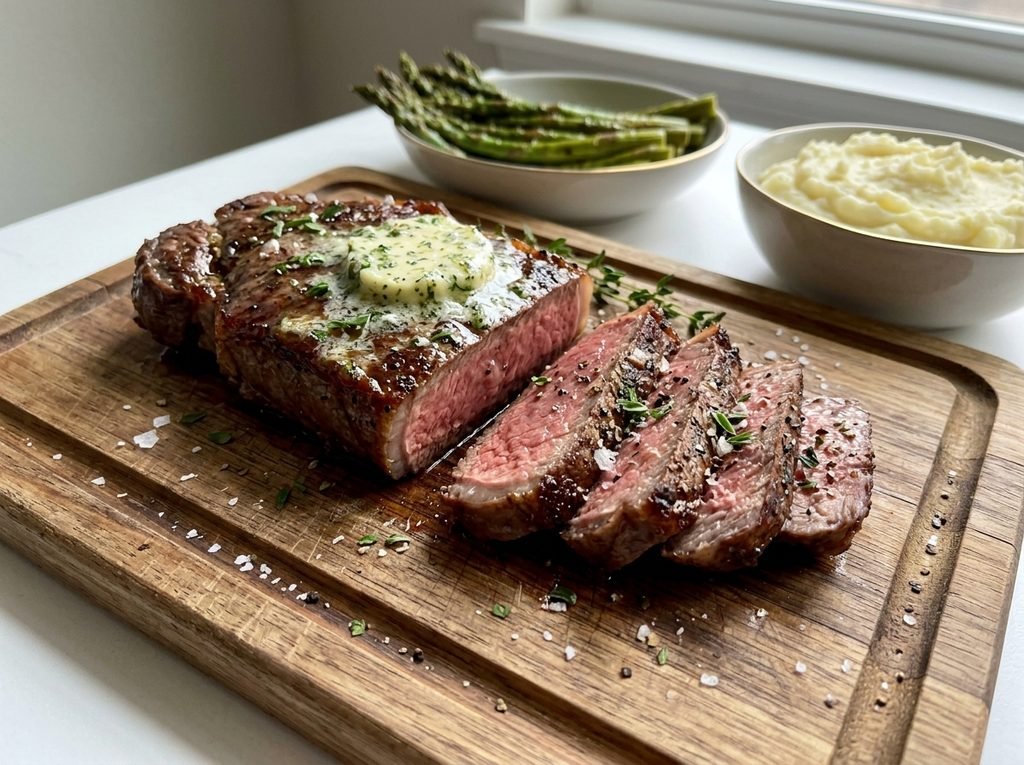
Channel a Parisian bistro in your own dining room. This elegant but straightforward meal pairs a tender cut—like a New York strip or a filet mignon—with a mountain of crispy, perfectly salted French fries. The key to authentic steak frites is a rich pan sauce or a dollop of compound herb butter melting over the hot beef, creating a savory juice that the fries can soak up.
3. Black and Blue Steak Salad
When you want the satisfaction of beef without the heavy food coma that often follows a steakhouse dinner, a salad is the answer. Season a sirloin steak heavily with freshly cracked black pepper (the “black”), sear it, and slice it thin. Serve it over a bed of crisp romaine and spicy arugula, topped with cherry tomatoes, thinly sliced red onions, and generous crumbles of pungent blue cheese (the “blue”). Dress with a simple balsamic vinaigrette.
4. Beef and Broccoli Stir-Fry
For a rapid weeknight dinner, slice flank steak against the grain into ultra-thin strips. Toss the beef in a quick marinade of soy sauce, a pinch of baking soda (to tenderize), and sesame oil. Wok-fry the beef with fresh broccoli florets, lots of minced ginger, and garlic. Thicken the sauce with a little cornstarch and serve over steaming jasmine rice for a meal that beats local takeout every time.
5. Steak and Mushroom Stroganoff
On a chilly evening, few things are as comforting as beef stroganoff. You can use sirloin or even leftover steak from the night before. Sauté the beef with cremini mushrooms, onions, and garlic, then build a rich sauce using beef broth and a generous dollop of full-fat sour cream. Toss the creamy, savory mixture with wide egg noodles and garnish with fresh parsley.
6. Chimichurri Flank Steak Bowls
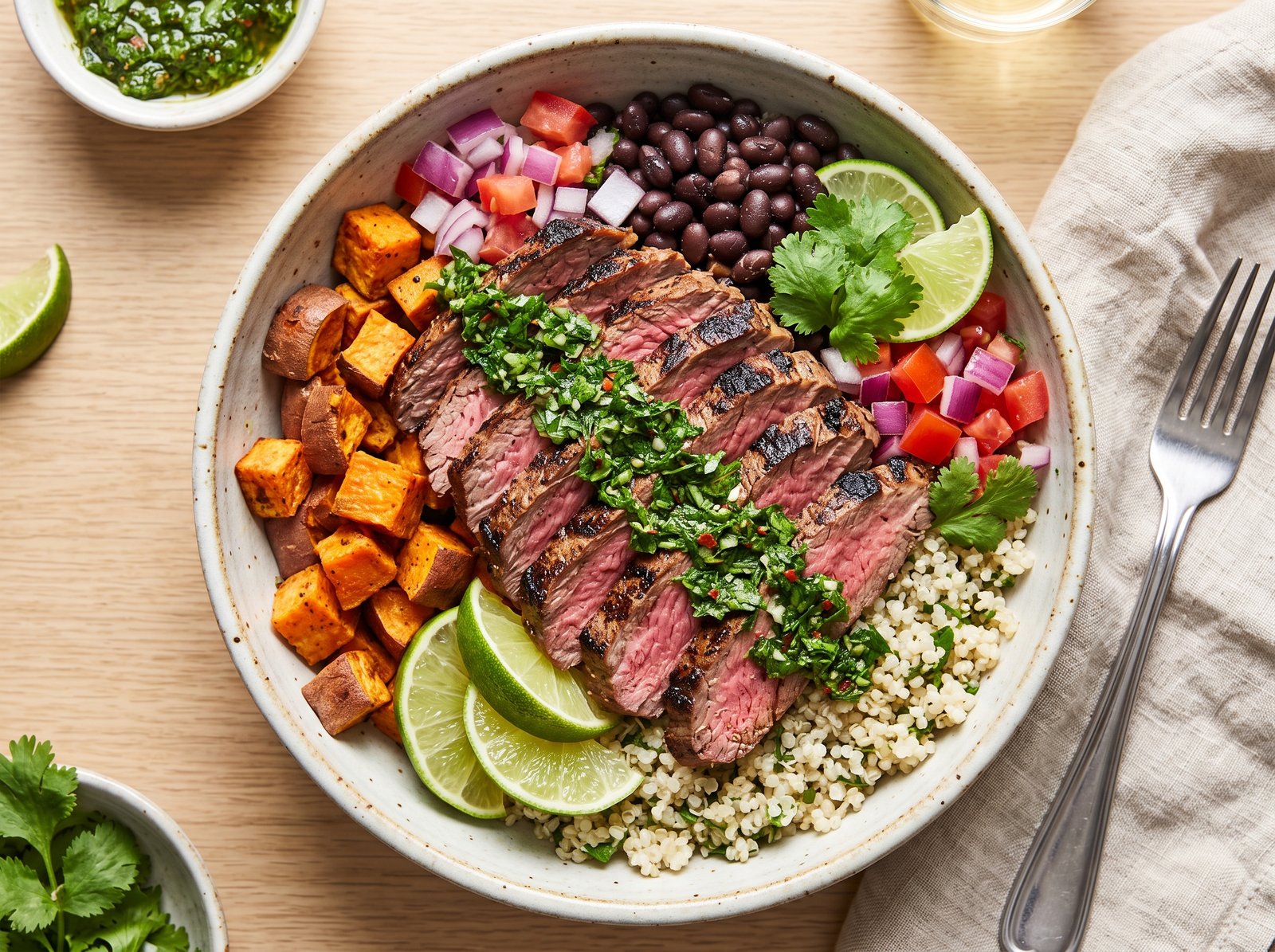
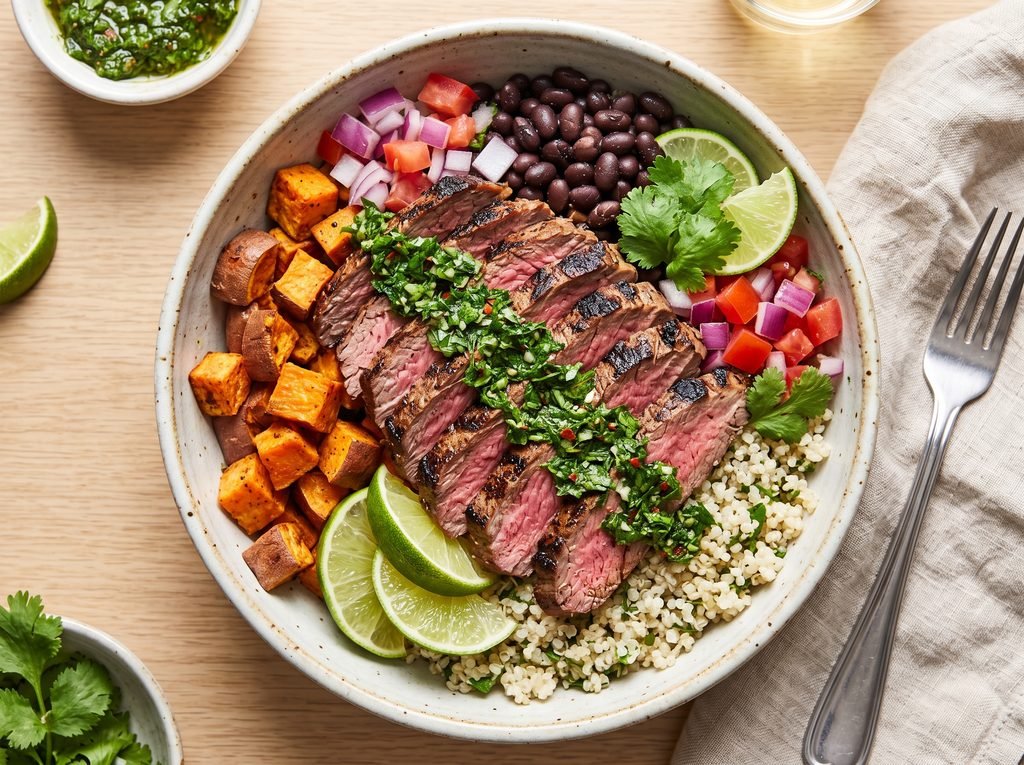
Chimichurri—a vibrant, raw Argentinean sauce made of fresh parsley, oregano, garlic, olive oil, and red wine vinegar—cuts through the richness of beef perfectly. Grill or sear a marinated flank steak, slice it, and serve it in a bowl over a bed of quinoa or brown rice. Add roasted sweet potatoes, black beans, and a heavy drizzle of the bright green chimichurri for a healthy, meal-prep-friendly dinner.
7. Philly Cheesesteak Stuffed Peppers
If you are watching your carbohydrate intake but still craving the flavors of a classic cheesesteak, stuffed peppers are a brilliant solution. Sauté thinly shaved ribeye or sirloin with diced onions and mushrooms. Halve green bell peppers, scoop out the seeds, and stuff them with the beef mixture. Top generously with provolone cheese and bake at 400°F (200°C) until the peppers are tender and the cheese is golden and bubbling.
8. Steak Fried Rice
Fried rice is the ultimate refrigerator-clearing meal and a perfect destination for leftover steak. Use day-old, cold cooked rice so it fries cleanly without turning to mush. Scramble a few eggs in a large skillet or wok, add diced carrots, peas, and onions, and then toss in your cubed leftover steak just to warm it through. Finish with soy sauce, a dash of toasted sesame oil, and sliced green onions.
9. Garlic Butter Steak Bites with Potatoes
For a deeply satisfying one-pan meal, cut sirloin or ribeye into uniform one-inch cubes. In a large skillet, pan-fry diced golden potatoes until crispy and tender. Remove the potatoes, turn up the heat, and sear the steak bites for just a few minutes until beautifully browned. Toss the potatoes back in along with a heavy spoonful of garlic herb butter, coating everything in a rich, savory glaze.
10. The Classic Surf and Turf
When celebrating an anniversary, Valentine’s Day, or a major milestone, you bring out the surf and turf. Pair a thick-cut filet mignon or ribeye with sweet seafood. Pan-seared sea scallops, a butter-poached lobster tail, or garlic butter shrimp are all spectacular choices. Serve with asparagus and potatoes au gratin for a truly unforgettable, restaurant-quality meal.
The Hero Recipe: Classic Garlic Butter Pan-Seared Steak
No matter which dinner idea you choose, knowing how to cook a steak perfectly in a pan is a non-negotiable culinary skill. This foundational recipe yields a steak with a deeply caramelized, savory crust and a tender, perfectly cooked interior, basted in a rich garlic and thyme butter.
- Prep Time: 10 minutes (plus 45 minutes to bring the steak to room temperature)
- Cook Time: 10 minutes
- Total Time: 1 hour 5 minutes
- Servings: 2
Ingredients
- 2 high-quality steaks (about 1 to 1.5 inches thick): Ribeye, New York Strip, or Filet Mignon work best for pan-searing.
- 1 tablespoon neutral cooking oil: Canola, vegetable, avocado, or grapeseed oil. Avoid extra virgin olive oil, as its smoke point is too low for searing.
- 1 tablespoon kosher salt: Coarse salt is essential for building a good crust.
- 1 teaspoon freshly ground black pepper: Grind it fresh for the best aromatic flavor.
- 3 tablespoons unsalted butter: Cut into pieces.
- 3 cloves garlic: Smashed gently with the side of a knife, peels left on.
- 3 sprigs fresh thyme or rosemary: Fresh herbs infuse the butter beautifully.
How to Make Classic Garlic Butter Pan-Seared Steak
- Prepare the Steaks: Remove the steaks from the refrigerator at least 45 minutes before cooking. Pat them completely dry on all sides using paper towels. Moisture is the enemy of a good crust; if the meat is wet, it will steam rather than sear.
- Season Generously: Just before cooking, season the steaks generously on all sides (including the edges) with the kosher salt and freshly ground black pepper. Press the seasoning gently into the meat so it adheres.
- Heat the Skillet: Place a heavy cast-iron skillet or stainless-steel pan over medium-high heat. Let the pan heat up dry for about 5 minutes until it is smoking hot.
- Add the Oil: Add the neutral oil to the pan. It should shimmer and run quickly across the surface.
- Sear the Steaks: Carefully lay the steaks in the skillet, dropping them away from you so any hot oil splashes hit the back of the stove, not your hands. Let them cook undisturbed for 3 to 4 minutes to develop a deep, dark brown crust.
- Flip and Lower Heat: Flip the steaks using tongs. Once flipped, immediately reduce the heat to medium-low.
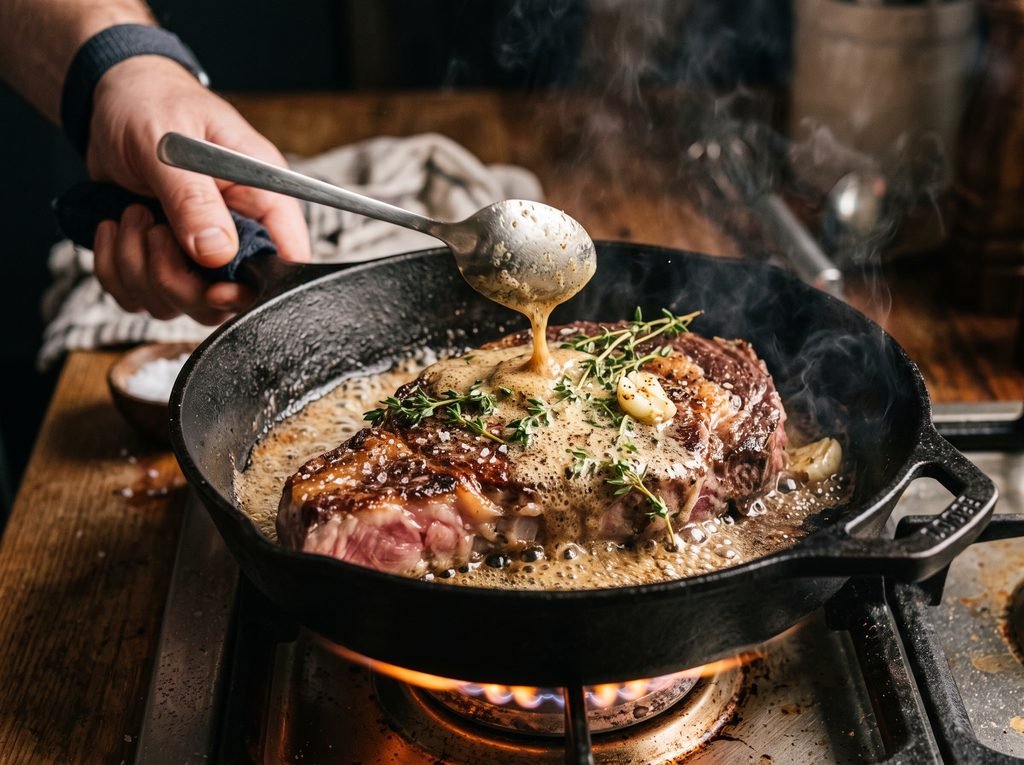
- Begin Basting: Toss the butter, smashed garlic cloves, and fresh herb sprigs into the pan. As the butter melts and foams, tilt the skillet slightly toward you. Use a large spoon to continually scoop the foaming, fragrant butter and pour it over the top of the steaks. This technique, called arroser, cooks the top of the steak gently while infusing it with immense flavor. Continue basting for 2 to 3 minutes.
- Check the Temperature: Check for doneness using an instant-read meat thermometer inserted into the thickest part of the steak. Pull the steaks at 125°F to 130°F (51°C to 54°C) for medium-rare, or 135°F to 140°F (57°C to 60°C) for medium.
- Rest the Meat: Transfer the steaks to a clean cutting board. Pour the garlic herb butter from the pan over the top of the resting meat. Let the steaks rest for at least 5 to 10 minutes before slicing. This allows the muscle fibers to relax and the juices to redistribute evenly.
Helpful Tips for the Best Results
- The Dry Brine Advantage: If you have the time, salt your steaks and leave them uncovered on a wire rack in the refrigerator for 12 to 24 hours before cooking. This process, known as dry-brining, pulls moisture out of the meat, dissolves the salt, and draws it back into the muscle, seasoning the steak all the way through while intensely drying the exterior for a superior crust.
- Understand Carryover Cooking: Meat continues to cook even after you take it off the heat. The internal temperature will rise by about 5°F to 10°F during the resting phase. Always pull your steak from the pan slightly before it reaches your target temperature to avoid overcooking.
- Slice Against the Grain: When you are ready to serve, look for the direction of the muscle fibers running through the meat (the grain). Cut perpendicular to these lines. Cutting against the grain shortens the muscle fibers, making every bite significantly more tender and easier to chew.
Variations and Substitutions
- Spice Rubs: While salt and pepper are traditional, you can elevate your steak with a coffee rub (espresso powder, brown sugar, smoked paprika, and salt) or a Montreal-style seasoning blend.
- Alternative Fats: Instead of butter, try basting your steak in rendered duck fat or beef tallow for an incredibly rich, savory profile.
- Blue Cheese Crust: During the last minute of resting, crumble high-quality blue cheese over the hot steak and place it under the oven broiler for 60 seconds until the cheese is melted and bubbling.
What to Serve With It
A beautifully seared steak demands side dishes that can stand up to its bold flavors without overwhelming the palate.
- Starches: Creamy roasted garlic mashed potatoes, scalloped potatoes au gratin, or crispy smashed fingerling potatoes are classic pairings.
- Vegetables: Balance the richness of the beef with slightly bitter or acidic greens. Lemon-parmesan roasted asparagus, classic steakhouse creamed spinach, or blistered green beans with almonds are excellent choices.
- Sauces: While the pan butter is delicious, serving the steak alongside a homemade horseradish cream, a red wine reduction (béarnaise), or a spicy chimichurri offers diners wonderful flavor contrasts.
Storage and Reheating
- Storage: Store leftover steak in an airtight container in the refrigerator for up to 3 to 4 days. Keep it whole if possible; slicing it before storing will cause it to dry out faster.
- Reheating: The microwave will turn leftover steak tough and rubbery. The best way to reheat steak is the low-and-slow oven method. Place the steak on a wire rack over a baking sheet and heat in a 250°F (120°C) oven until the internal temperature reaches about 110°F (43°C). This usually takes 20 to 30 minutes. Then, quickly sear it in a smoking hot skillet with a little butter for just 30 seconds per side to revive the crust.
Frequently Asked Questions
What is the best cut of steak for a beginner to cook? A New York Strip or a Ribeye is excellent for beginners. Because these cuts have good marbling (intramuscular fat), they remain juicy and flavorful even if you accidentally overcook them slightly.
Should I wash my steak before cooking? No, you should never wash raw meat, poultry, or fish. Washing meat only splashes harmful bacteria around your kitchen sink and countertops. Instead, simply pat the meat completely dry with paper towels.
How do I know when my steak is done without a thermometer? While an instant-read thermometer is the most reliable method, you can use the “touch test.” A rare steak feels soft and squishy, like the fleshy part of your palm below your thumb when your hand is relaxed. As you touch your thumb to your other fingers, the tension in that fleshy pad increases, mimicking the firmness of a medium-rare, medium, and well-done steak.
Can I cook a steak straight from frozen? Surprisingly, yes! Cooking a thick steak straight from frozen can actually result in a perfectly cooked interior with a great crust. Sear the frozen steak in a hot skillet, then transfer it to a low oven (275°F / 135°C) to finish cooking to your desired temperature. It will take longer in the oven, but the results are fantastic.
Why is my steak tough? Tough steak usually results from one of three things: choosing a naturally tough cut (like round or chuck) and not cooking it appropriately, slicing the meat with the grain instead of against it, or failing to let the meat rest before slicing, which allows all the juices to run out onto the cutting board.
Is it better to marinate a steak or use a dry rub? It depends on the cut. Tougher, leaner cuts like flank, skirt, or sirloin benefit greatly from the tenderizing acids in a wet marinade. Naturally tender, highly marbled cuts like ribeye or filet mignon are best served by a simple dry rub of salt and pepper to let the beef flavor shine.
Final Thoughts
Steak does not have to be reserved for expensive restaurant outings or once-a-year celebrations. By exploring these different dinner ideas—from crisp, refreshing steak salads and quick weeknight stir-fries to a masterfully pan-seared ribeye—you can make beef a regular, exciting part of your dinner rotation. The key is simply matching the right cut of meat to your chosen flavor profile and taking the time to master basic techniques like proper searing and resting. Grab a quality cut from your local butcher this week, fire up the skillet, and enjoy a spectacular meal at home.