
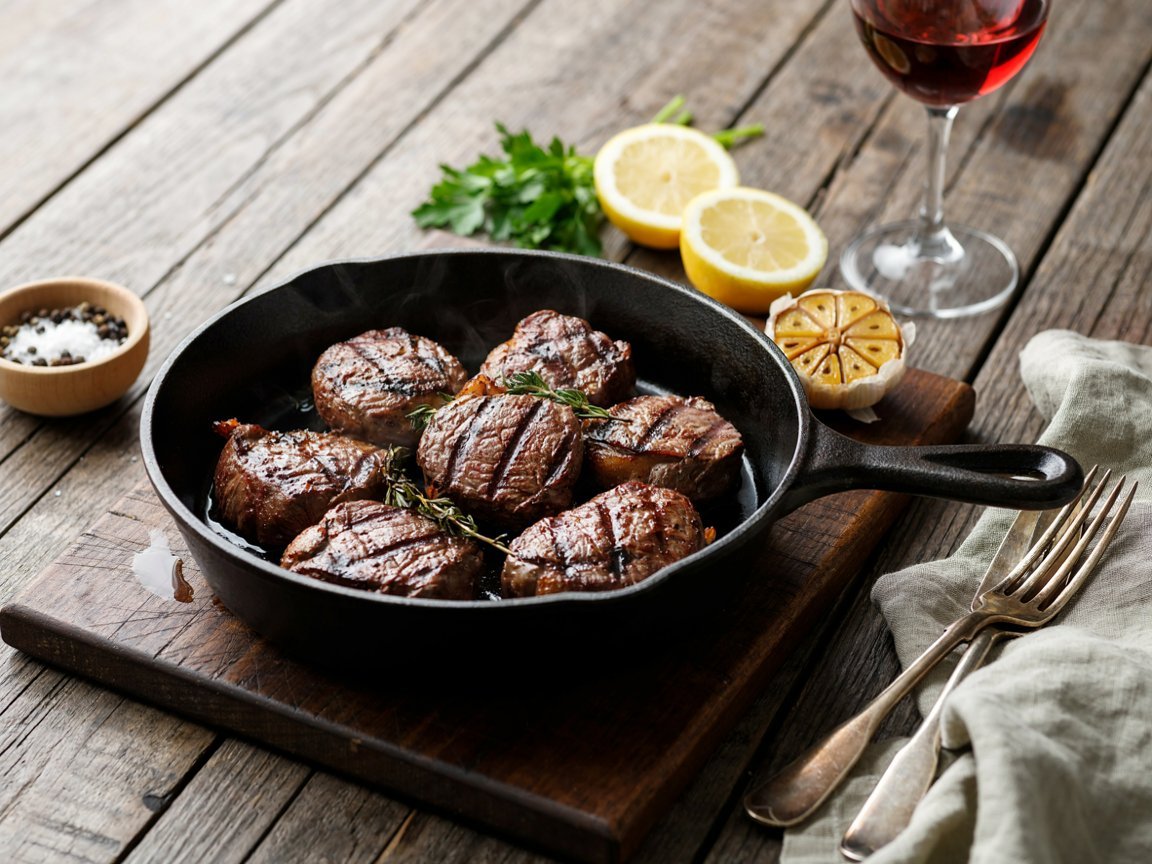
The Ultimate Marinated Steak Tips Recipe
There is something truly spectacular about a perfectly cooked steak tip. If you have ever frequented a New England pub or attended a Northeast summer barbecue, you already know the magic. You are presented with beautifully charred, deeply savory, bite-sized pieces of beef that melt in your mouth, boasting a caramelized crust on the outside and a tender, juicy, medium-rare center on the inside. It is a simple concept, but when executed correctly, it easily rivals an expensive steakhouse dinner.
The secret to the perfect steak tips recipe lies in a two-part harmony: choosing the right cut of beef and utilizing a balanced, flavor-packed marinade. Because steak tips are often cut from leaner or more robustly textured muscles, they crave a marinade that not only infuses them with rich umami flavor but also works to break down the tough fibers. The result is a highly addictive, versatile dish that works just as beautifully on a Tuesday night as it does for a weekend cookout.
Whether you are firing up the outdoor grill, heating a heavy cast iron skillet on the stovetop, or sliding a pan under the broiler, this steak tips recipe is designed to give you foolproof, restaurant-quality results every single time.
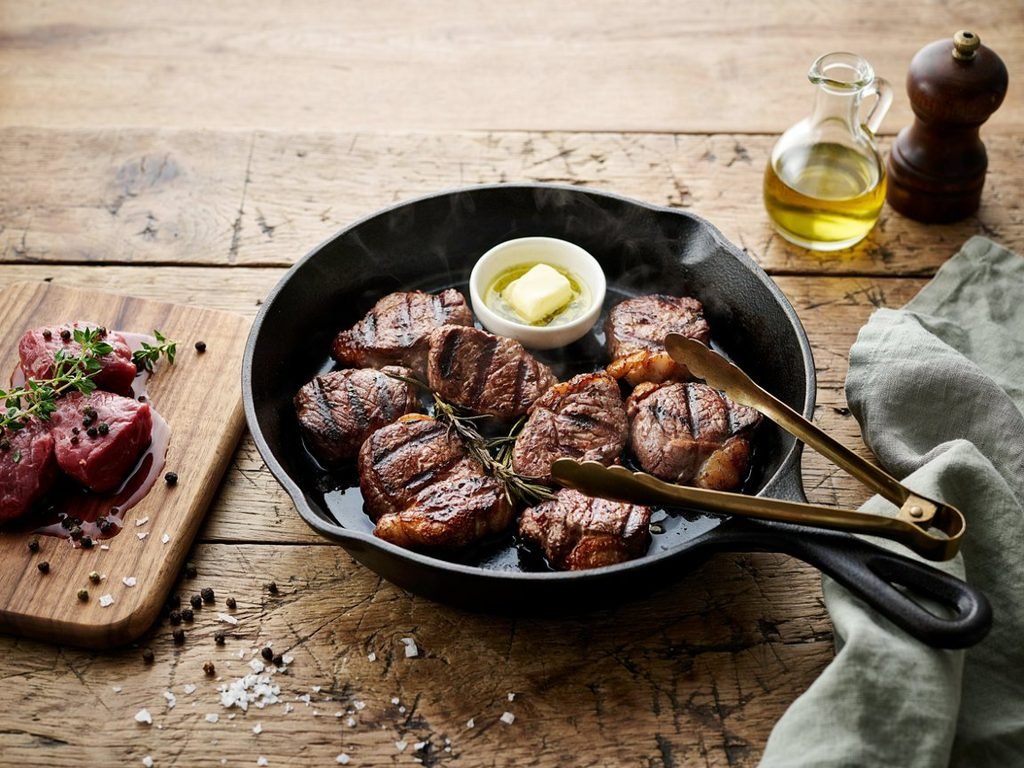
What Are Steak Tips?
To master this recipe, it helps to understand exactly what you are buying. The term “steak tips” can sometimes be confusing because it is used loosely by different butchers and grocery stores across the country.
Authentic, classic steak tips—often associated with New England and Boston pub culture—are typically cut from the sirloin flap. The sirloin flap (sometimes labeled as bavette) is a wonderfully beefy, slightly coarse-grained muscle located near the bottom sirloin. It has a loose texture similar to flank or skirt steak, which makes it an absolute sponge for marinades. The rich marbling and robust beef flavor of flap meat make it the gold standard for this dish.
However, depending on where you live, you might find meat labeled as “steak tips” or “sirloin tips” that comes from the top sirloin, the tri-tip, or the round. Top sirloin is leaner and a bit more tender straight out of the package, but it lacks the deep, beefy punch of flap meat.
A Crucial Warning: Do not confuse steak tips with beef stew meat. While they look similar in the butcher case—both are sold as cubed chunks of beef—stew meat is usually cut from the chuck (the shoulder). Chuck is heavily exercised and very tough. It requires low, slow, moist-heat cooking (like braising for hours in a stew) to become tender. If you try to grill chuck stew meat quickly over high heat, you will end up with unchewable rubber. Always look for sirloin flap, top sirloin, or tri-tip for this recipe.
Why You’ll Love This Recipe
There are countless reasons to add this marinated steak tips recipe to your regular dinner rotation, but a few key benefits stand out:
- Incredible Flavor Delivery: Because the beef is cut into chunks before cooking, there is a much higher surface-area-to-volume ratio compared to a whole steak. This means more of the meat comes into direct contact with the marinade, and every single bite gets enveloped in that beautiful, charred crust.
- Highly Versatile Cooking Methods: You are not locked into one cooking technique. These tips are incredible over the open flames of a charcoal or gas grill, but they are equally delicious seared in a hot cast iron skillet or caramelized under your oven’s broiler. Rain or shine, you can make this recipe.
- Meal Prep Friendly: The marinade does all the heavy lifting while you go about your day. You can prep the meat and the marinade the night before or the morning of, making the actual cooking process take less than 15 minutes.
- Crowd-Pleasing: Steak tips are famously loved by kids and adults alike. They feel a bit more elevated than a standard burger or hot dog, making them perfect for entertaining, yet they are completely unfussy.
Ingredients
A great steak tip relies heavily on its marinade. This specific blend balances salty, sweet, acidic, and savory elements to enhance the beef without overpowering it.
The Beef
- 2 pounds sirloin flap meat (or top sirloin): Look for pieces with good marbling. If it comes in large strips, you will cut it into uniform 1.5 to 2-inch cubes.
The Marinade
- 1/3 cup soy sauce (or tamari for gluten-free): This is your primary salt and umami base. It provides a deep, savory backbone that enhances the natural beef flavor.
- 1/4 cup olive oil: Fat is essential in a marinade. It transfers fat-soluble flavors (like garlic and pepper) into the meat and helps promote a beautiful sear while preventing sticking on the grill.
- 1/4 cup Worcestershire sauce: Packed with complex flavors like tamarind, molasses, and anchovy, this is a secret weapon for creating that classic “steakhouse” taste.
- 3 tablespoons dark brown sugar, packed: The molasses in dark brown sugar adds a subtle sweetness that balances the salty soy sauce. More importantly, the sugar is responsible for creating that deeply caramelized, slightly charred crust when it hits high heat.
- 2 tablespoons apple cider vinegar: The acidic element. Vinegar works to break down the tougher muscle fibers in the sirloin flap, resulting in a significantly more tender bite. You can substitute red wine vinegar if preferred.
- 1 tablespoon Dijon mustard: Mustard acts as a natural emulsifier, helping the oil and vinegar bind together into a cohesive marinade rather than separating. It also adds a nice tangy background note.
- 4 cloves garlic, minced: Fresh garlic is highly recommended here. It offers a pungent, aromatic punch that garlic powder simply cannot replicate in a wet marinade.
- 1 teaspoon freshly ground black pepper: A coarse grind is best. It provides a subtle heat and a great crust texture. Avoid fine black powder if possible.
How to Make Marinated Steak Tips
Prep Time: 15 minutes Marinating Time: 4 to 24 hours Cook Time: 10 minutes Total Time: 4 hours 25 minutes (minimum) Servings: 4 to 6
Step 1: Prepare the Beef
If your meat was sold as a whole piece of flap or sirloin, lay it flat on a clean cutting board. Trim away any thick pieces of hard white fat or tough, silvery connective tissue (silver skin) that will not render down during a quick, high-heat cook. Using a sharp knife, cut the meat into uniform, bite-sized cubes, roughly 1.5 to 2 inches thick. Keeping the pieces similar in size is crucial for ensuring they all cook at the exact same rate.
Step 2: Mix the Marinade
In a medium-sized mixing bowl, combine the soy sauce, olive oil, Worcestershire sauce, dark brown sugar, apple cider vinegar, Dijon mustard, minced garlic, and freshly ground black pepper. Whisk vigorously until the brown sugar has completely dissolved and the mixture looks well combined and slightly emulsified.
Step 3: Marinate the Steak Tips
Place the cubed beef into a large, heavy-duty zip-top plastic bag or a shallow glass baking dish. Pour the marinade directly over the meat. If using a bag, press out as much excess air as possible before sealing it tightly. Massage the bag with your hands for a minute to ensure every single piece of beef is thoroughly coated in the liquid. If using a dish, toss the meat well and cover tightly with plastic wrap. Place the meat in the refrigerator. Marinate for a minimum of 4 hours, but ideally overnight (up to 24 hours) for the absolute best flavor and tenderness.
Step 4: Cook the Steak Tips
When you are ready to cook, remove the meat from the refrigerator about 30 minutes prior. Letting the beef take the chill off helps it cook more evenly. Do not pour the excess marinade into the pan. Use tongs to remove the beef pieces, allowing the extra liquid to drip off. Discard the leftover marinade.
You have three excellent options for cooking:
Option A: The Grill Method (Recommended) Preheat your gas or charcoal grill to medium-high heat (around 400°F to 450°F). Make sure your grill grates are clean and lightly oiled. Place the steak tips directly on the hot grates. Grill for about 2 to 3 minutes per side, turning them with tongs until all sides are deeply browned and lightly charred. For medium-rare, the total cooking time will be roughly 8 to 10 minutes, or until an instant-read meat thermometer registers 130°F to 135°F in the center of the largest piece.
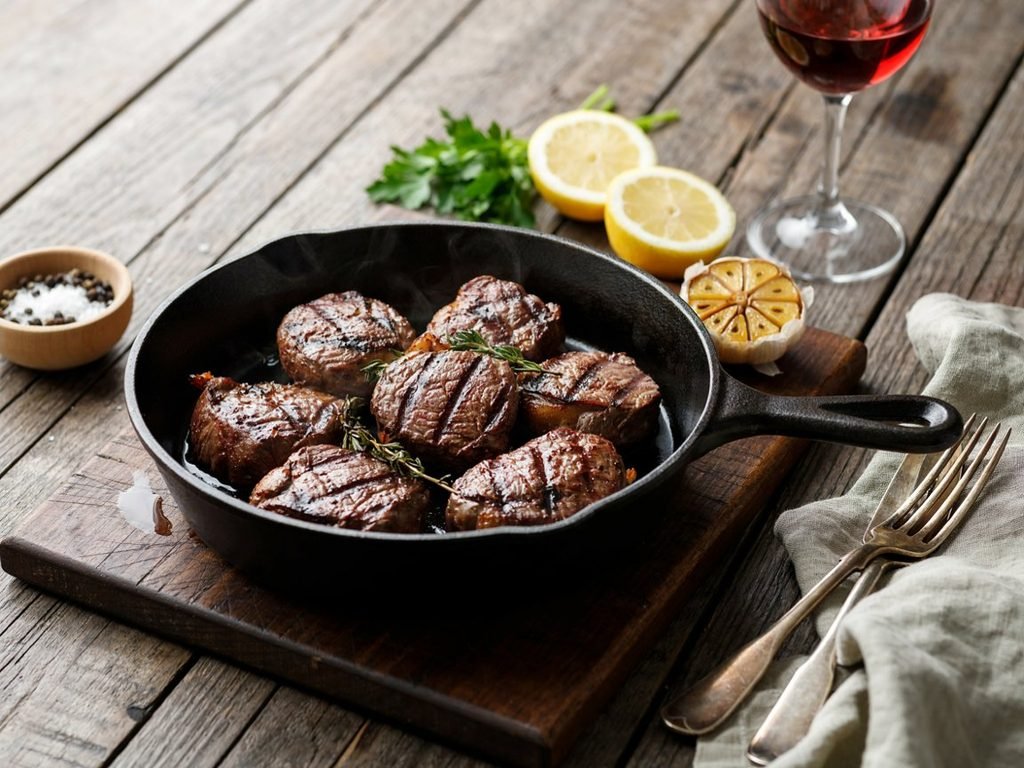
Option B: The Cast Iron Skillet Method Place a large cast iron skillet over medium-high heat on your stovetop. Add one tablespoon of a high-smoke-point oil (like avocado oil or canola oil) and let it heat until it is shimmering and just barely starting to smoke. Carefully add the steak tips to the pan in a single layer. Do not overcrowd the pan. If the pieces are touching, they will steam instead of sear. Work in two batches if necessary. Sear undisturbed for 2 to 3 minutes until a dark crust forms, then flip and sear the remaining sides. Total cook time will be 8 to 10 minutes.
Option C: The Broiler Method Position your oven rack about 4 to 5 inches below the broiler heating element and preheat the broiler to HIGH. Line a heavy baking sheet with aluminum foil for easy cleanup, and place a wire roasting rack on top. Arrange the marinated steak tips on the wire rack in a single layer with space between each piece. Broil for 4 to 5 minutes until the tops are browned and caramelized, then flip each piece and broil for another 3 to 5 minutes until cooked to your desired doneness.
Step 5: Rest and Serve
Regardless of the cooking method you choose, this final step is non-negotiable. Transfer the cooked steak tips to a clean cutting board or serving platter. Tent them loosely with a piece of aluminum foil and let them rest for at least 5 to 7 minutes before serving or slicing. This resting period allows the muscle fibers to relax and the juices to redistribute throughout the meat, guaranteeing a moist, tender bite.
Helpful Tips for the Best Results
To elevate your steak tips from good to spectacular, keep these professional kitchen techniques in mind:
- Take the Chill Off: Never cook steak straight from the refrigerator. Cold meat hitting a hot pan instantly drops the temperature of the cooking surface, which inhibits the Maillard reaction (the chemical process responsible for browning and flavor). Letting the meat sit at room temperature for 30 minutes makes a massive difference in achieving a good crust.
- Dry Before You Sear: While a wet marinade is great for flavor, excess surface moisture is the enemy of a good sear. If your steak tips are dripping wet, that liquid has to boil off before browning can occur. When removing the meat from the marinade, let the excess drip away, or even give them a very gentle, quick pat with a paper towel if you are cooking them indoors in a skillet.
- Manage Your Sugar: The dark brown sugar in this recipe creates a gorgeous crust, but sugar also burns quickly over high heat. Keep a close eye on the grill or the pan. If the meat is blackening too quickly before the inside is cooked, move the tips to a cooler zone of the grill or turn down the stovetop heat.
- Use a Meat Thermometer: The line between a tender, juicy steak tip and a dry, chewy one is a matter of minutes. Take the guesswork out by using a digital instant-read thermometer. Pull the meat at 130°F for medium-rare or 140°F for medium. Remember that the temperature will continue to rise by a few degrees as the meat rests.
- Identify the Grain: If your pieces of meat are large enough to require cutting on the plate, pay attention to the direction of the muscle fibers (the grain). Always slice perpendicular to (across) those parallel lines. Cutting against the grain shortens the muscle fibers, making the meat infinitely more tender to chew.
Variations and Substitutions
This recipe is highly adaptable. Once you understand the basic ratio of a good marinade (fat, acid, salt, and flavor), you can customize it to fit your exact cravings or pantry inventory.
- Gluten-Free Diet: Simply swap the standard soy sauce for an equal amount of high-quality tamari or coconut aminos. Ensure your Worcestershire sauce is also certified gluten-free, as some brands contain malt vinegar.
- Different Cuts of Beef: If you absolutely cannot find sirloin flap meat or top sirloin, you can cut a flank steak or a tri-tip roast into chunks. Flank steak will have a more pronounced grain, while tri-tip will be exceptionally tender and rich.
- Asian-Inspired Teriyaki Tips: Swap the Worcestershire sauce and mustard for toasted sesame oil, freshly grated ginger, and a splash of mirin or rice wine vinegar. Garnish the finished steak tips with toasted sesame seeds and thinly sliced green onions.
- Herb and Garlic Tips: If you prefer a lighter, less sweet flavor profile, omit the brown sugar and soy sauce. Marinate the beef in olive oil, lemon juice, heavy amounts of minced garlic, fresh rosemary, thyme, and plenty of kosher salt and black pepper.
What to Serve With It
Because marinated steak tips have such a robust, savory flavor, they pair perfectly with sides that can soak up the juices or provide a fresh, crisp contrast.
- Classic Pub Style: You cannot go wrong with creamy, butter-laden mashed potatoes. The rich potatoes balance the tangy, sweet crust of the beef. Add a side of oven-roasted broccoli or garlic green beans for a complete, comforting meal.
- Summer Barbecue Style: If you are grilling outdoors, serve these alongside classic cookout fare. Think classic macaroni salad, homemade potato salad, baked beans, and buttered corn on the cob.
- Lighter Pairings: For a lighter, low-carb approach, serve the steak tips over a bed of peppery arugula dressed simply with lemon juice, olive oil, and shaved parmesan cheese. Grilled asparagus or a mix of roasted bell peppers and onions also make fantastic, colorful sides.
- Steak Tip Subs: Do as the New Englanders do and load the cooked steak tips into a toasted hoagie roll. Top them with melted provolone cheese, sautéed mushrooms, and caramelized onions for an unforgettable steak sandwich.
Storage and Reheating
If you happen to have leftovers, steak tips keep wonderfully in the refrigerator, making them an excellent candidate for meal prep lunches.
Storing: Allow the cooked meat to cool completely to room temperature. Transfer the tips to an airtight container and store in the refrigerator for up to 3 to 4 days.
Freezing: You can freeze cooked steak tips in an airtight, freezer-safe container or heavy-duty freezer bag for up to 2 months. However, an even better trick is to freeze raw steak tips directly in the marinade. Place the raw meat and the marinade in a freezer bag, squeeze out the air, and freeze for up to 3 months. As the meat thaws in the refrigerator overnight, it will marinate simultaneously.
Reheating: Reheating beef without overcooking it requires a gentle touch. The microwave will often turn steak tough and rubbery. The best method is to place the leftover tips in a skillet over low heat with a splash of beef broth or a small pat of butter. Cover the skillet with a lid and heat gently for 3 to 5 minutes until just warmed through. Alternatively, you can reheat them in an air fryer set to a low temperature (around 300°F) for about 3 to 4 minutes.
Frequently Asked Questions
Are steak tips and beef stew meat the same thing? No, they are very different. Stew meat is typically cut from the chuck (shoulder), which is a tough muscle that requires hours of slow braising to become tender. Steak tips are usually cut from the sirloin or flap meat, which is tender enough to be cooked quickly over high heat on a grill or in a skillet. Never use stew meat for quick grilling.
How long should I marinate steak tips? For the best balance of flavor and tenderness, aim for 4 to 12 hours. You can leave them in the marinade for up to 24 hours, but do not exceed this timeframe. The acidic vinegar in the marinade will eventually break down the meat fibers too much, resulting in a mushy, unappealing texture.
Can I cook steak tips in the air fryer? Yes, the air fryer is a remarkably easy and effective way to cook this dish. Preheat your air fryer to 400°F. Arrange the marinated beef chunks in a single layer in the basket (work in batches if necessary). Air fry for 7 to 9 minutes, shaking the basket halfway through, until nicely browned on the outside and medium-rare inside.
Why did my steak tips turn out tough and chewy? There are a few common culprits. The most likely reason is overcooking; steak tips are best enjoyed at medium-rare to medium (130°F-140°F). Cooking them to well-done will dry them out. Other reasons include using the wrong cut of beef (like chuck), failing to let the meat rest after cooking, or slicing the meat parallel to the grain rather than against it.
Do I need to physically pound or tenderize the meat? No, physical tenderizing with a meat mallet is not necessary for sirloin flap or top sirloin. The combination of the acid (vinegar) in the marinade and the natural qualities of the cut will ensure the meat is plenty tender, provided it is not overcooked.
Can I reuse the leftover marinade as a sauce? You can, but it requires an extra safety step. Because the marinade has come into contact with raw beef, it is loaded with harmful bacteria. If you want to use it as a sauce, you must pour the leftover marinade into a small saucepan and bring it to a rolling, vigorous boil for at least 3 to 5 minutes. This will kill any bacteria and reduce the liquid into a thicker, savory glaze.
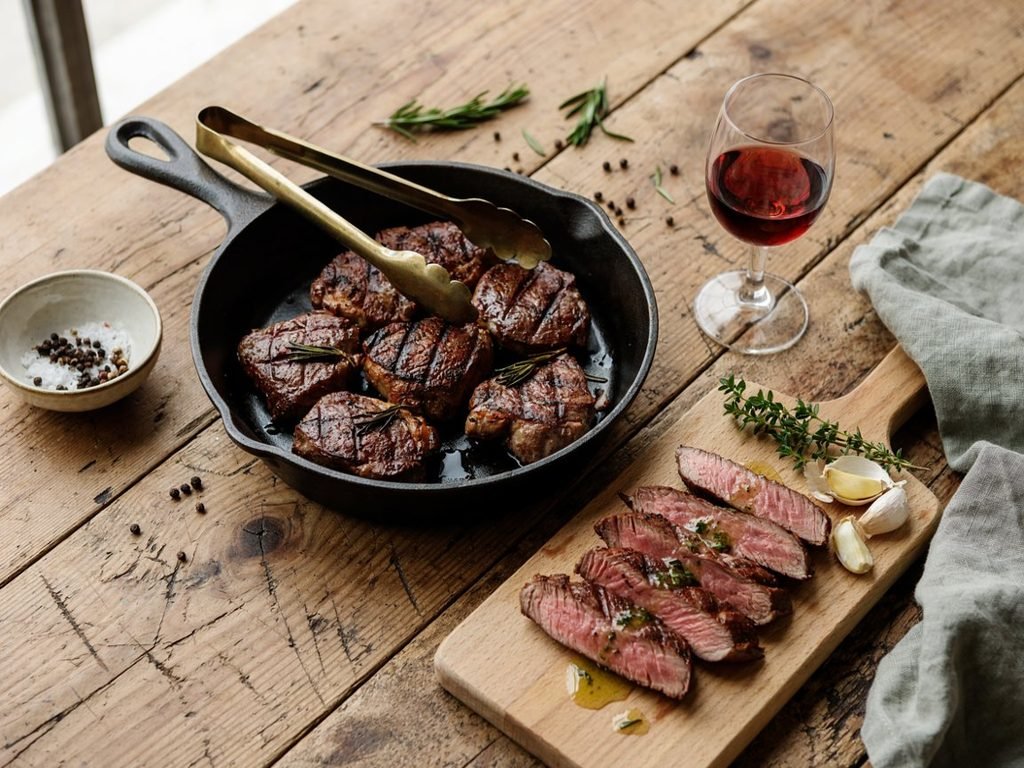
Final Thoughts
Mastering a fantastic steak tips recipe is one of the most rewarding culinary skills you can develop for everyday cooking. It takes a relatively humble cut of beef and, through the simple alchemy of a great marinade and high-heat cooking, transforms it into something truly special. Whether you serve them alongside a mound of creamy mashed potatoes on a chilly winter evening or toss them on the grill for a backyard summer party, these savory, caramelized bites are guaranteed to disappear quickly. Take the time to let them marinate properly, keep a close eye on your cooking temperatures, and always remember to let them rest. Enjoy the process, and happy cooking!