
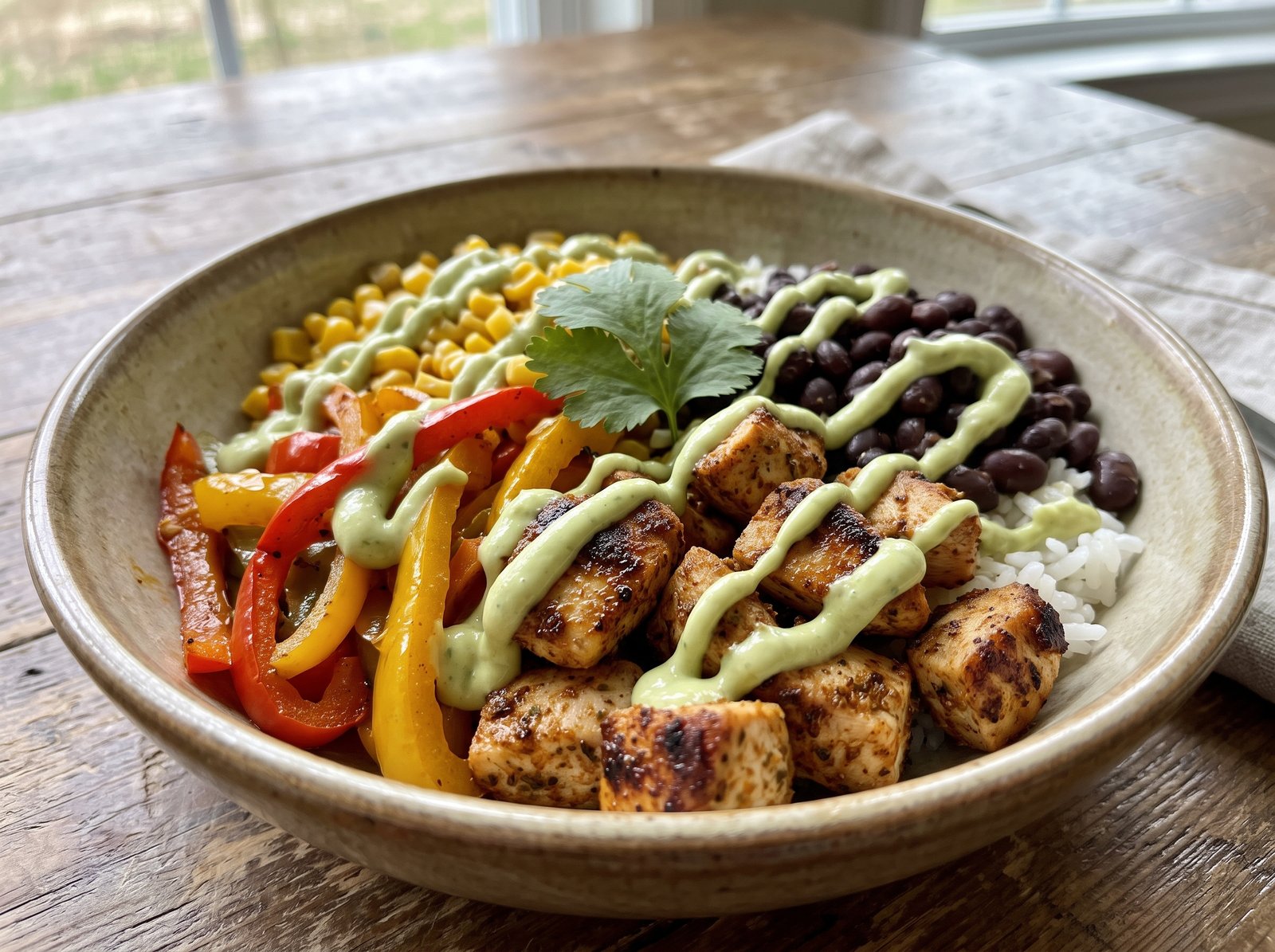
Bowl Recipes: How to Build Healthy, Flavorful, and Satisfying Meals in a Bowl
There is a very distinct reason why almost every new, health-conscious restaurant seems to focus entirely on serving food out of a bowl. Eating a well-constructed bowl meal is an incredibly satisfying experience. It feels cozy and comforting, yet vibrant and modern. Unlike a traditional dinner plate where the meat, starch, and vegetables are rigidly segregated, a bowl encourages a harmonious collision of flavors and textures in absolutely every single bite.
We have all experienced the midday slump that follows a heavy, carb-loaded lunch, or the lingering hunger that comes from eating a flimsy, uninspired side salad. Bowl recipes beautifully bridge the gap between these two extremes. By intentionally layering complex carbohydrates, lean proteins, colorful vegetables, and dynamic sauces, you can create a meal that is profoundly nourishing, exceptionally filling, and bursting with restaurant-quality flavor.
Whether you are trying to streamline your Sunday meal prep for the upcoming workweek, searching for a brilliant way to use up the random vegetables lingering in your crisper drawer, or simply wanting to feed a family of picky eaters without making four separate dinners, bowl recipes are your ultimate culinary solution. In this comprehensive guide, we are going to break down the exact anatomy of building the perfect bowl, share three distinctly delicious, globally inspired recipes, and give you all the professional tips you need to master this approach to daily eating.
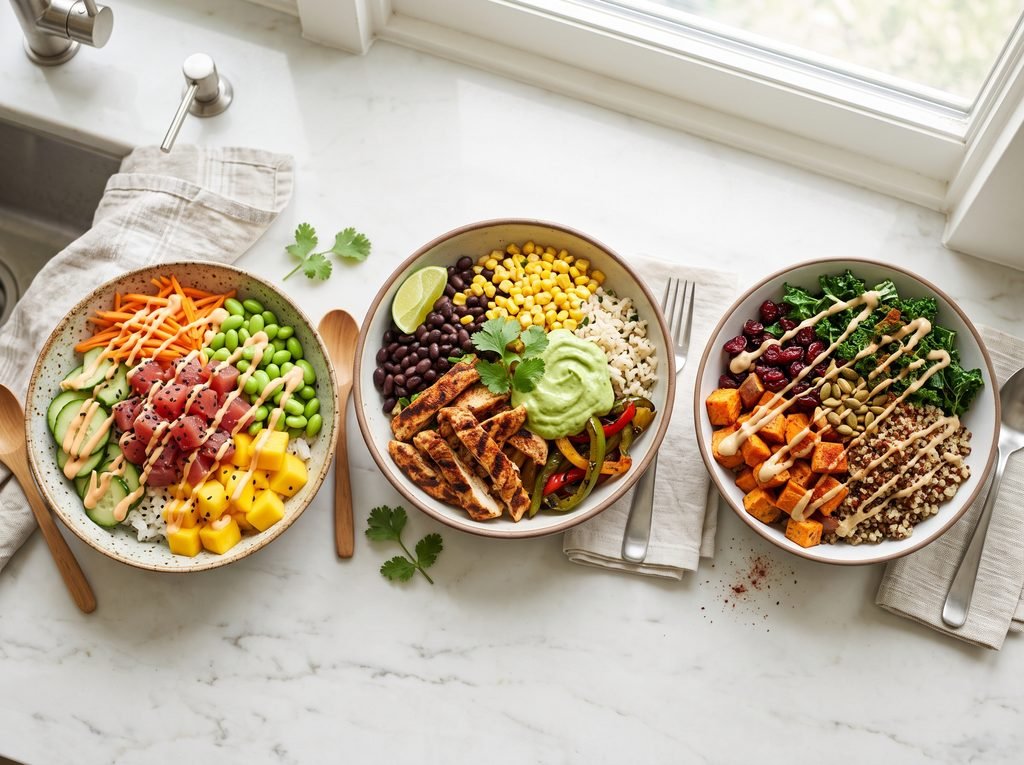
What Are Bowl Recipes? (The Anatomy of the Perfect Bowl)
A fantastic bowl recipe is not just a random assortment of leftovers tossed into a dish. It is a highly strategic, carefully constructed meal that relies on a specific formula. Understanding this five-part anatomy is the secret to creating bowls that taste like they were crafted by a professional chef.
1. The Sturdy Base Every great bowl needs a foundational layer to soak up the sauces and anchor the meal. This is typically a complex carbohydrate or a sturdy green. Cooked brown rice, fluffy quinoa, farro, couscous, or warm sweet potato noodles are excellent choices. If you want a lighter, low-carb base, massaged kale or shredded cabbage works beautifully, as they hold up to heavy toppings without instantly wilting like delicate spring mix.
2. The Vegetable Medley This is where you add volume, color, and crucial micronutrients. A great bowl utilizes a mix of raw and cooked vegetables to create contrast. You might pair warm, caramelized roasted Brussels sprouts and sweet potatoes with crisp, raw diced cucumbers, shaved carrots, or juicy cherry tomatoes.
3. The Protein Anchor To ensure your bowl actually keeps you full until your next meal, you need a solid source of protein. This can be perfectly grilled sliced chicken breast, marinated flank steak, spicy ground turkey, or baked salmon. For plant-based bowls, crispy roasted chickpeas, marinated tofu, edamame, or a soft-boiled egg are magnificent options.
4. The Flavorful Sauce or Dressing If there is one cardinal rule of bowl recipes, it is this: a dry bowl is a sad bowl. The sauce is the culinary glue that weaves all the disparate ingredients together. Whether it is a creamy peanut sauce, a bright cilantro-lime vinaigrette, a spicy sriracha mayonnaise, or a rich lemon tahini dressing, you must dress your bowl generously.
5. The Final Crunch Texture is just as important as taste. Finishing your bowl with a handful of toasted pumpkin seeds (pepitas), sliced almonds, crushed tortilla chips, sesame seeds, or crispy fried onions provides a highly necessary crunch that keeps your palate engaged from the first bite to the last.
Why You’ll Love This Approach to Dinner
If you are not already incorporating bowl meals into your weekly menu, here is why you will quickly fall in love with this style of cooking and eating:
They Are the Ultimate Meal Prep Solution Bowl components are incredibly resilient. You can cook a large batch of rice, roast a sheet pan of vegetables, and grill a few chicken breasts on a Sunday afternoon. Store these components in separate glass containers in your refrigerator, and you can assemble a fresh, vibrant, hot lunch in less than two minutes every single day of the workweek.
They Eliminate Kitchen Waste Bowl recipes are the perfect vehicle for cleaning out your kitchen. If you have half a bell pepper, a handful of spinach, or a lingering scoop of black beans that need to be used up before they spoil, simply chop them up and throw them into your bowl. It is a brilliant, delicious way to stretch your grocery budget.
They Solve the “Picky Eater” Dilemma Trying to cook a single meal that pleases a family with different dietary preferences can be exhausting. Bowls solve this problem effortlessly. You can set out the base, proteins, vegetables, and dressings buffet-style on the kitchen counter. The adults can load up on spicy sauces and roasted vegetables, while the kids can build a simplified bowl of rice, chicken, and sweet corn. Everyone wins, and you only cook once.
The Recipes: 3 Incredible Bowl Meals to Try This Week
To showcase the incredible versatility of this cooking method, here are three completely different bowl recipes. Each one is packed with bold flavors, easy to prepare, and guaranteed to leave you feeling satisfied.
Recipe 1: The Classic Chicken Fajita Burrito Bowl
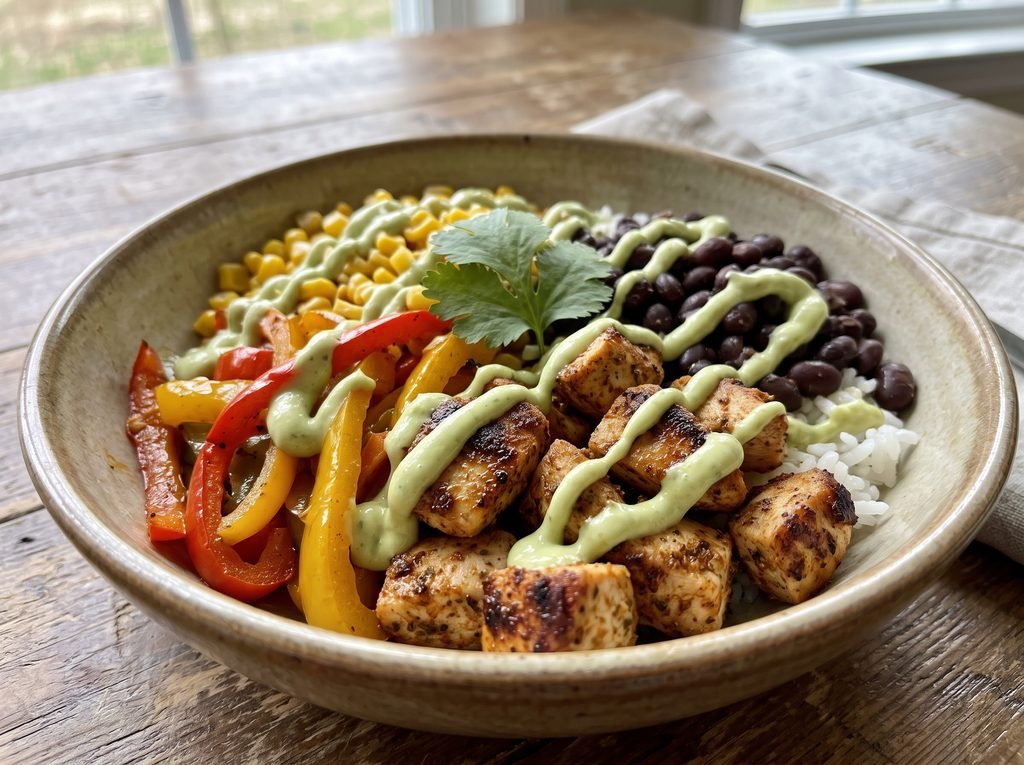
Skip the long lines and exorbitant prices at the local fast-casual burrito shop. This homemade burrito bowl features warmly spiced chicken, tender bell peppers, and a bright avocado crema that ties everything together perfectly.
Prep Time: 15 minutes Cook Time: 15 minutes Total Time: 30 minutes Servings: 4
Ingredients:
For the Chicken and Vegetables:
- 1.5 lbs (about 680g) boneless, skinless chicken breasts, cut into bite-sized cubes
- 2 tablespoons olive oil, divided
- 1 large red bell pepper, sliced into thin strips
- 1 large yellow bell pepper, sliced into thin strips
- 1 large red onion, thinly sliced
- 1 tablespoon chili powder
- 1 teaspoon ground cumin
- 1 teaspoon smoked paprika
- 1 teaspoon garlic powder
- 1 teaspoon kosher salt
- 1/2 teaspoon black pepper
For the Avocado Crema:
- 1 ripe avocado, pitted and peeled
- 1/2 cup sour cream (or plain Greek yogurt)
- 1/4 cup fresh cilantro leaves
- 1 clove garlic
- 2 tablespoons fresh lime juice
- Pinch of salt
For the Bowl Base & Assembly:
- 3 cups cooked long-grain white or brown rice (warm)
- 1 can (15 oz) black beans, rinsed and drained
- 1 cup sweet corn kernels (fresh, canned, or thawed frozen)
- Lime wedges and fresh cilantro (for garnish)
Step-by-step Instructions:
- In a small food processor or blender, combine the avocado, sour cream, cilantro, garlic, lime juice, and a pinch of salt. Blend until completely smooth and creamy. Transfer to a small bowl and set aside in the refrigerator.
- In a medium mixing bowl, toss the cubed chicken with 1 tablespoon of olive oil, the chili powder, ground cumin, smoked paprika, garlic powder, salt, and black pepper until the meat is thoroughly coated in the spices.
- Heat the remaining 1 tablespoon of olive oil in a large cast-iron skillet over medium-high heat.
- Add the seasoned chicken to the hot skillet in a single layer. Cook undisturbed for 3 to 4 minutes to develop a nice crust, then stir and cook for another 3 to 4 minutes until the chicken is completely cooked through (reaching an internal temperature of 165°F). Remove the chicken to a plate and cover with foil to keep warm.
- In the same skillet (do not wipe it out; keep the spices!), add the sliced bell peppers and red onion. Sauté for 5 to 7 minutes until the vegetables are softened and slightly charred at the edges. Remove from the heat.
- Assemble the bowls: Divide the warm cooked rice equally among four wide bowls. Top each base with a scoop of the seasoned chicken, the sautéed peppers and onions, black beans, and sweet corn.
- Drizzle the bowls generously with the avocado crema and garnish with fresh lime wedges.
Recipe Tips: Make sure you rinse your black beans thoroughly under cold water. If you add them straight from the can with their starchy liquid, it will make your bowl look muddy and unappetizing.
Variations/Substitutions: To make this vegetarian, omit the chicken and double the black beans, or substitute the chicken with sliced portobello mushrooms tossed in the exact same spice blend. You can also swap the rice for a bed of crisp romaine lettuce to make a fajita salad bowl.
Storage Instructions: Store the cooked chicken, sautéed vegetables, rice, beans, and corn in airtight containers in the refrigerator for up to 4 days. Store the avocado crema in a separate airtight container; press a piece of plastic wrap directly against the surface of the crema to prevent it from browning.
Reheating Instructions: Place the rice, chicken, peppers, onions, beans, and corn in a microwave-safe dish and microwave for 90 seconds, stirring halfway through, until hot. Top with the cold avocado crema right before eating. Do not microwave the crema.
Serving Suggestions: Serve alongside a bowl of warm, salted tortilla chips and a side of fresh tomato pico de gallo for a complete restaurant-style experience.
Recipe 2: Spicy Ahi Tuna Poke Bowl
Poke (pronounced poh-kay) bowls originated in Hawaii and have become a massive phenomenon on the mainland. Featuring fresh, marinated raw tuna, cool cucumbers, and sweet mango, this bowl is incredibly refreshing, light, and packed with healthy omega-3 fatty acids.
Prep Time: 20 minutes Cook Time: 20 minutes (for the rice) Total Time: 40 minutes Servings: 2 large bowls
Ingredients:
For the Tuna Marinade:
- 1 lb (16 oz) sushi-grade Ahi tuna steaks, patted dry and cut into 1/2-inch cubes
- 3 tablespoons low-sodium soy sauce (or tamari)
- 1 tablespoon toasted sesame oil
- 1 tablespoon rice vinegar
- 1 teaspoon grated fresh ginger
- 1 green onion (scallion), thinly sliced
- 1/2 teaspoon sesame seeds
For the Spicy Mayo Sauce:
- 1/4 cup high-quality mayonnaise
- 1 tablespoon Sriracha chili sauce (adjust to your heat preference)
- 1/2 teaspoon sesame oil
For the Bowl Base & Assembly:
- 2 cups cooked sushi rice (short-grain white rice), slightly cooled
- 1/2 English cucumber, thinly sliced
- 1/2 cup shelled edamame (thawed if frozen)
- 1/2 ripe mango, peeled and diced
- 1/2 ripe avocado, sliced
- 1 sheet nori (dried seaweed), thinly sliced or crushed
- Furikake seasoning or extra sesame seeds (for garnish)
Step-by-step Instructions:
- Cook the sushi rice according to the package directions. Once cooked, let it cool slightly. A traditional poke bowl uses rice that is just barely warm or at room temperature, not steaming hot.
- Prepare the spicy mayo by whisking together the mayonnaise, Sriracha, and sesame oil in a small bowl. Set aside.
- In a medium mixing bowl, whisk together the soy sauce, toasted sesame oil, rice vinegar, grated ginger, sliced green onion, and sesame seeds.
- Add the cubed raw Ahi tuna to the marinade. Gently toss the fish until every piece is evenly coated. Let the tuna sit in the marinade for exactly 5 to 10 minutes. (Do not leave it longer than 15 minutes, or the vinegar will begin to cook the fish, altering its delicate texture).
- Assemble the bowls: Divide the slightly cooled sushi rice between two wide bowls.
- Arrange the marinated tuna, sliced cucumber, shelled edamame, diced mango, and sliced avocado in neat sections over the rice.
- Drizzle the spicy mayo generously over the entire bowl.
- Garnish with the sliced nori seaweed and a sprinkle of furikake or sesame seeds, and serve immediately.
Recipe Tips: Because you are eating raw fish, you must use high-quality, sushi-grade tuna. Talk to the fishmonger at your local premium grocery store or seafood market to ensure the fish is safe for raw consumption.
Variations/Substitutions: If you are entirely opposed to eating raw fish, you can easily substitute the raw tuna with cooked cocktail shrimp, or use cubed firm tofu that has been pan-fried until crispy.
Storage Instructions: Poke bowls are best enjoyed immediately. If you have leftover marinated raw tuna, it must be stored in the coldest part of the refrigerator and consumed within 24 hours. The spicy mayo will keep in the fridge for up to two weeks.
Reheating Instructions: Do not reheat this bowl. This meal is designed to be eaten cold or at room temperature. Heating the bowl will cook the raw tuna and ruin the fresh vegetables.
Serving Suggestions: Pair this light, refreshing bowl with a hot cup of green tea or a cold, crisp sparkling water with a twist of lime.
Recipe 3: Roasted Root Vegetable & Quinoa Harvest Bowl
Perfect for the autumn and winter months, this harvest bowl is deeply comforting, nourishing, and completely plant-based. The savory roasted vegetables pair beautifully with the nutty quinoa, and the maple Dijon tahini dressing is so delicious you will want to drink it with a spoon.
Prep Time: 15 minutes Cook Time: 25 minutes Total Time: 40 minutes Servings: 4
Ingredients:
For the Roasted Vegetables & Quinoa:
- 1 cup uncooked quinoa, thoroughly rinsed
- 1 ¾ cups vegetable broth
- 2 medium sweet potatoes, peeled and diced into 1/2-inch cubes
- 1 lb (16 oz) Brussels sprouts, ends trimmed and halved
- 2 tablespoons olive oil
- 1 teaspoon garlic powder
- 1 teaspoon kosher salt
- 1/2 teaspoon black pepper
For the Maple Dijon Tahini Dressing:
- 1/4 cup smooth tahini (sesame seed paste)
- 2 tablespoons pure maple syrup
- 2 tablespoons fresh lemon juice
- 1 tablespoon Dijon mustard
- 1/4 teaspoon kosher salt
- 2 to 4 tablespoons warm water (to thin)
For Assembly:
- 4 cups fresh baby spinach or massaged kale
- 1/2 cup dried cranberries
- 1/2 cup chopped pecans or walnuts, toasted
- 1/2 cup crumbled goat cheese or feta (optional, omit for vegan)
Step-by-step Instructions:
- Preheat your oven to 400°F (200°C). Line a large, rimmed baking sheet with parchment paper.
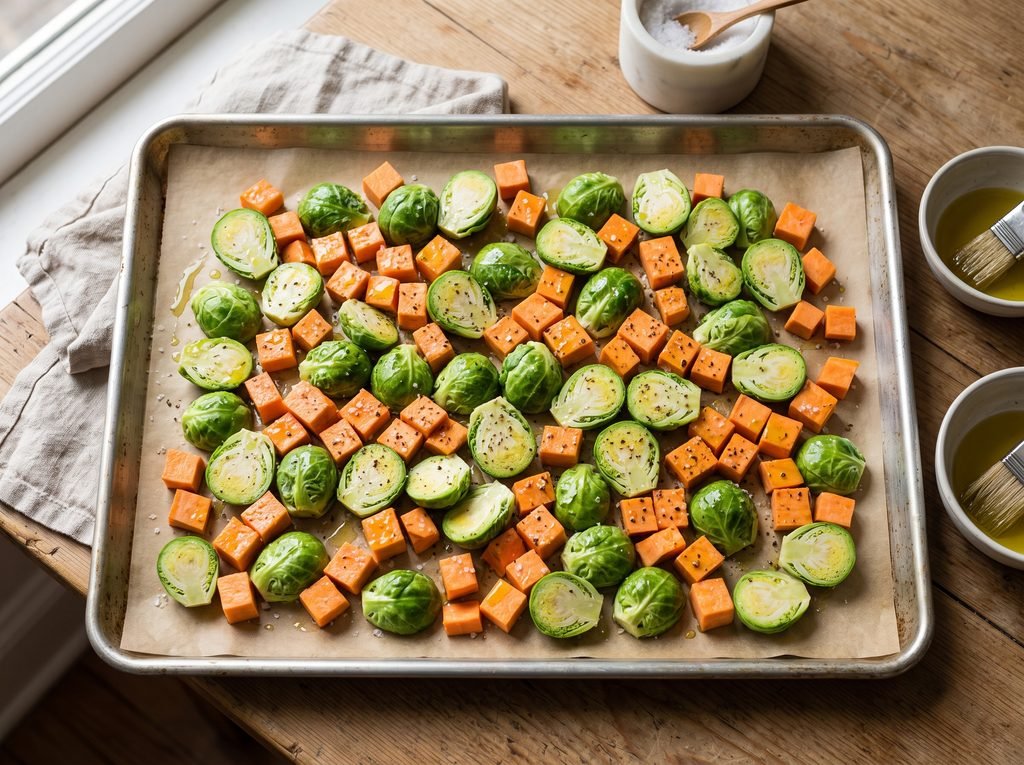
- Place the diced sweet potatoes and halved Brussels sprouts on the baking sheet. Drizzle with the olive oil and sprinkle with the garlic powder, kosher salt, and black pepper. Toss with your hands until the vegetables are evenly coated. Spread them into a single layer.
- Roast in the preheated oven for 25 to 30 minutes, tossing halfway through, until the sweet potatoes are fork-tender and the Brussels sprouts are deeply caramelized and crispy on the edges.
- While the vegetables roast, prepare the quinoa. In a medium saucepan, bring the vegetable broth to a boil. Add the rinsed quinoa, reduce the heat to a low simmer, cover tightly, and cook for 15 minutes. Remove from the heat, let it rest for 5 minutes with the lid on, then fluff with a fork.
- Prepare the dressing: In a small bowl, whisk together the tahini, pure maple syrup, lemon juice, Dijon mustard, and salt. The mixture will likely thicken and clump up initially. Slowly whisk in the warm water, one tablespoon at a time, until the dressing becomes smooth, creamy, and pourable.
- Assemble the bowls: Divide the warm cooked quinoa among four bowls. Add a handful of fresh spinach to one side of the bowl.
- Add a generous scoop of the roasted sweet potatoes and Brussels sprouts.
- Sprinkle the bowls with the dried cranberries, toasted pecans, and crumbled cheese (if using).
- Generously drizzle the maple Dijon tahini dressing over the top and serve immediately.
Recipe Tips: Rinsing the quinoa is a mandatory step. Quinoa has a natural coating called saponin that tastes incredibly bitter and soapy. Running it under cold water in a fine-mesh strainer for 30 seconds removes this coating completely.
Variations/Substitutions: You can easily swap the sweet potatoes for diced butternut squash or acorn squash. If you want more protein, add a cup of roasted chickpeas or a sliced, grilled chicken breast to the bowl.
Storage Instructions: Store the cooked quinoa and roasted vegetables in airtight containers in the refrigerator for up to 5 days. Store the dressing in a separate small container or mason jar. Do not dress the spinach until you are ready to eat.
Reheating Instructions: Warm the quinoa and roasted vegetables in the microwave for 1 to 2 minutes until hot. Add the fresh spinach, cranberries, pecans, and cheese, then drizzle with the cold or room-temperature tahini dressing.
Serving Suggestions: Serve this hearty, earthy bowl with a slice of warm, crusty whole-wheat bread to sweep up the remaining dressing at the bottom of the dish.
Helpful Tips for the Best Results
To ensure your homemade bowls look and taste just as spectacular as the ones you buy at your favorite café, keep these professional tips in mind:
Focus on Temperature Contrast The most exciting bowls offer a contrast in temperatures. Pairing steaming hot rice and freshly grilled chicken with ice-cold salsa, chilled avocado crema, and crisp, raw lettuce creates a dynamic eating experience that keeps your tastebuds engaged.
Chop Everything into Bite-Sized Pieces Nothing ruins the joy of a bowl recipe faster than having to pull out a knife to cut a massive chunk of chicken or a giant lettuce leaf. The entire meal should be easily eaten with just a fork. Take the extra two minutes to dice your vegetables, cube your proteins, and chop your greens into small, uniform pieces.
Keep Your Sauces Separate If you are making bowl recipes for meal prep, the golden rule is to never apply your sauce or dressing until the exact moment you sit down to eat. If you dress the bowl on Sunday, your grains will become mushy and your fresh greens will turn slimy by Tuesday. Keep a few small dressing containers on hand for this exact purpose.
Variations and Substitutions
The beauty of the bowl concept is that it is infinitely adaptable to almost any dietary restriction or lifestyle choice.
- For a Keto or Low-Carb Diet: Simply swap the heavy carbohydrate bases (like rice, quinoa, or farro) for cauliflower rice, zucchini noodles, or a large bed of fresh leafy greens. Ensure your dressings use low-sugar ingredients and avoid sweet additions like mango or dried cranberries.
- For a Vegan Diet: Bowls are arguably the easiest meals to make vegan. Rely on high-protein plant bases like quinoa, and anchor the bowl with seasoned black beans, lentils, crispy tofu, or tempeh. Creamy sauces can easily be made using a base of tahini, blended cashews, or ripe avocados instead of dairy.
- For a Gluten-Free Diet: Most bowl recipes are naturally gluten-free as long as you choose the right base. Quinoa, brown rice, white rice, and sweet potato noodles are all inherently gluten-free. Just be sure to double-check your sauces, swapping traditional soy sauce for certified gluten-free tamari or coconut aminos.
What to Serve With It
Because bowl recipes are explicitly designed to be complete, well-rounded meals containing complex carbohydrates, healthy fats, fiber, and protein, they stand alone beautifully without the need for heavy side dishes. However, you can elevate the meal with:
- Warm Breads: Serve your bowls alongside a warm piece of whole-wheat pita bread, a slice of naan, or crusty sourdough. Bread is perfect for swiping up the leftover sauces and dressings that pool at the bottom of the dish.
- Refreshing Beverages: Complement the bold flavors of your bowls with an iced green tea, sparkling water with fresh lemon and mint, or a crisp, dry white wine like a Sauvignon Blanc.
- Light Starters: If you are serving a bowl for dinner and want a multi-course feel, start with a very light appetizer, such as steamed edamame sprinkled with sea salt, or a small cup of clear miso soup.
Storage and Reheating
We have touched on storage in the specific recipes, but here are the overarching rules for safely storing and reheating bowl components for meal prep.
The “Zone” Strategy: When packing your meal prep containers, keep “like” items together. Put the components that need to be reheated (rice, quinoa, roasted vegetables, cooked meats) on one side of the container. Put the components that should remain cold (fresh spinach, raw tomatoes, cucumbers, feta cheese) on the other side. This allows you to easily scoop out the fresh items, microwave the hot items, and then recombine them.
Freezing Bowl Components: While you cannot freeze a fully assembled bowl, you can absolutely freeze the cooked bases and proteins. Cooked quinoa, brown rice, shredded chicken, and taco meat freeze beautifully in airtight zip-top bags for up to three months. However, never freeze fresh vegetables, avocados, or dairy-based sauces, as their textures will be completely ruined upon thawing.
Frequently Asked Questions
What is the difference between a Buddha bowl, a grain bowl, and a power bowl? In modern culinary terms, these names are often used interchangeably, but there are slight distinctions. A “Buddha bowl” is traditionally entirely plant-based and vegetarian, focusing on whole grains, legumes, and vegetables. A “grain bowl” simply implies that the foundational base is a grain (like farro or rice) rather than greens. A “power bowl” is a marketing term used to highlight a bowl that is exceptionally high in protein, often featuring heavy meats or extra eggs.
Do bowl recipes have to be eaten hot? Not at all! The temperature of the bowl depends entirely on the flavor profile. Poke bowls and Mediterranean hummus bowls are designed to be eaten entirely cold. Burrito bowls are usually served hot. Many people prefer to eat their meal prep harvest bowls directly out of the fridge at room temperature for convenience.
Are bowl recipes good for weight loss? They can be an excellent tool for weight management because they are heavily reliant on lean proteins, voluminous vegetables, and high-fiber grains, which keep you full and satisfied. However, you must be highly mindful of the sauces and toppings. A bowl can quickly become a 1,000-calorie meal if you are heavy-handed with olive oil, mayonnaise-based sauces, cheese, and large scoops of avocado.
How do I stop my avocado from turning brown if I pack it for lunch? Avocados oxidize and turn brown quickly when exposed to air. If you are packing a bowl for work, do not slice the avocado in advance. Bring a quarter of an avocado with the skin still attached, wrapped tightly in plastic wrap, and slice it right before you eat. Alternatively, a heavy squeeze of fresh lime juice over the sliced avocado will significantly slow down the browning process.
Why does my quinoa taste bitter in my bowl? If your quinoa tastes bitter or earthy, you likely forgot to rinse it. Quinoa grows with a natural, soapy-tasting outer coating called saponin designed to deter birds from eating it. Always rinse your dry quinoa in a fine-mesh strainer under cold water for 30 seconds before cooking.
Can I mix the dressing into the whole batch of grains to save time? It is highly recommended that you do not mix the dressing into a large batch of grains if you are meal prepping for the week. Grains act like sponges; by day two, they will have absorbed all the moisture from the sauce, leaving the grains overly mushy and the bowl tasting dry. Always dress your bowls on an individual, per-serving basis.
Final Thoughts
Pivoting away from traditional “meat and two sides” dinners and embracing the dynamic world of bowl recipes is one of the most rewarding changes you can make in your kitchen. This highly modular approach to eating completely removes the stress from weeknight cooking, allows for endless creativity, and virtually guarantees a colorful, nutritionally dense meal every single time.
Whether you are craving the fiery, zesty kick of a homemade Chicken Fajita Burrito Bowl, the cool, refreshing elegance of a Hawaiian Ahi Poke Bowl, or the deeply comforting, earthy flavors of a Quinoa Harvest Bowl, there is a recipe perfectly suited for every mood and season. Grab your favorite wide bowls, start roasting those vegetables, whisk together a brilliant sauce, and discover just how joyful and satisfying building your own meal can truly be.