
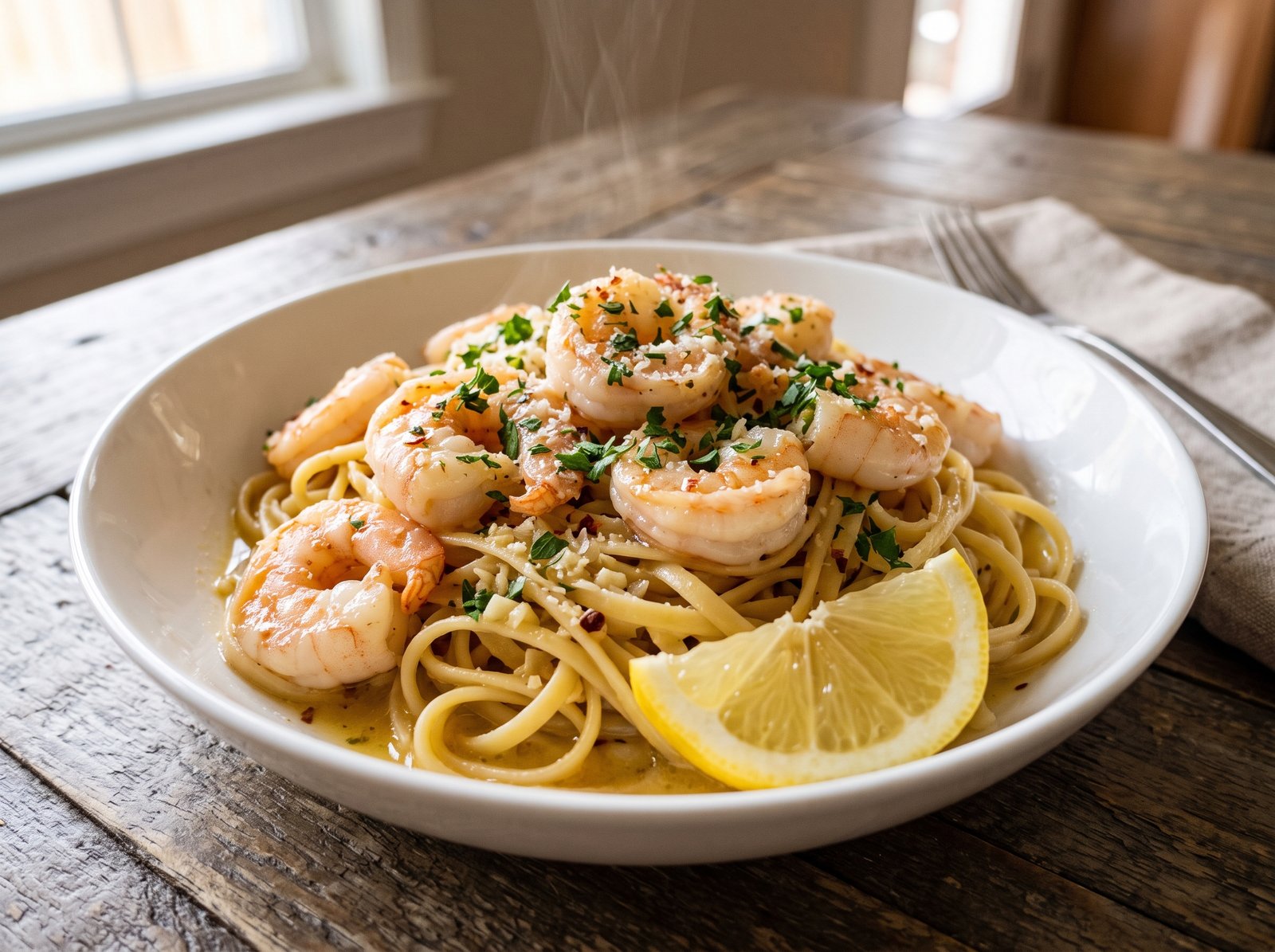
Shrimp Recipes: Quick, Easy, and Delicious Meals for Any Night
There is a familiar scenario that plays out in kitchens all across the country every single week. It is five o’clock in the evening, you just finished a long day, you have completely forgotten to take any meat out of the freezer to thaw, and the idea of spending an hour cooking dinner is entirely unappealing. In these moments of culinary panic, having a versatile, lightning-fast protein on hand is an absolute lifesaver. That is exactly why mastering a few easy, reliable shrimp recipes will completely transform your weeknight dinner routine.
For years, many home cooks have viewed shrimp as an ingredient reserved for fancy restaurant appetizers or special occasion shrimp cocktails. But the truth is, shrimp is arguably the most convenient, user-friendly, and versatile seafood you can keep in your kitchen. It cooks in mere minutes, it acts as a magnificent sponge for a wide variety of global flavors, and it can be taken from rock-solid frozen to perfectly thawed in the time it takes you to chop an onion.
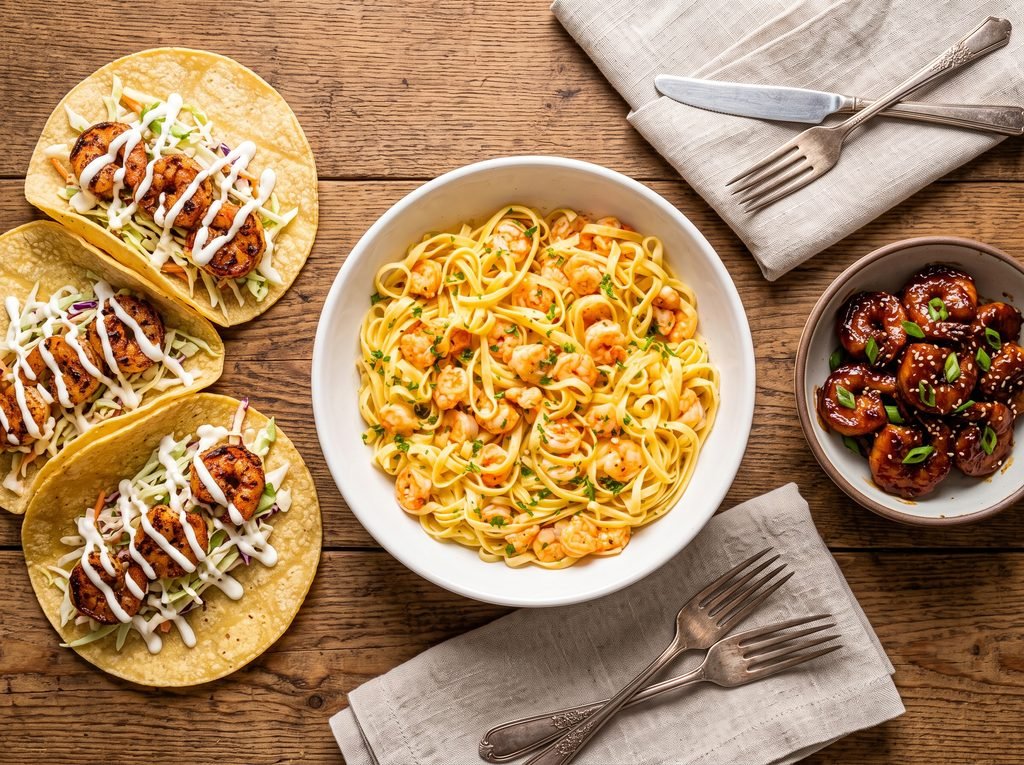
Whether you are looking to twirl your fork into a luxurious garlic butter pasta, assemble fresh and zesty tacos for a family fiesta, or serve up a sweet and savory Asian-inspired stir-fry, shrimp is the answer. In this comprehensive guide, we are going to explore everything you need to know about buying, prepping, and cooking this incredible seafood. We will cover the golden rules for ensuring your shrimp never turns out tough or rubbery, and share three distinctly different, foolproof recipes that will make you look like a culinary rockstar in under thirty minutes.
Why Shrimp is the Ultimate Weeknight Protein
If you are not already keeping a bag of frozen shrimp stocked in your freezer at all times, here is why you need to add it to your grocery list immediately:
It Thaws in Minutes Unlike a three-pound chuck roast or a package of thick chicken breasts that require twenty-four hours of slow thawing in the refrigerator, shrimp is the king of the quick thaw. Because they are individually quick-frozen and relatively small, a bag of shrimp can be perfectly thawed and ready to cook in about fifteen minutes just by running it under cold tap water.
It Cooks in the Blink of an Eye If you are incredibly hungry and short on time, shrimp is your best friend. A standard-sized shrimp takes roughly two to three minutes per side to cook in a hot skillet. By the time your side dishes are plated, your main protein is completely finished.
It is a Nutritional Powerhouse Shrimp is incredibly lean and low in calories while being packed with high-quality protein. It is an excellent source of essential nutrients like iodine, vitamin B12, zinc, and selenium. If you are looking to build healthy, macro-friendly meals, shrimp is one of the smartest choices you can make.
It Pairs with Almost Anything Because shrimp has a naturally mild, slightly sweet flavor profile, it pairs beautifully with almost any culinary tradition. It is just as delicious tossed with heavy cream and parmesan cheese as it is marinated in lime juice, cilantro, and fiery jalapeños.
How to Buy and Prep the Best Shrimp
Wandering down the freezer aisle of the seafood section can be intimidating. There are different sizes, colors, and preparation styles. Here is a quick guide to choosing the best shrimp for your recipes:
Fresh vs. Frozen Here is a secret from the seafood industry: unless you live on the coast and are buying directly from a fishing boat, the “fresh” shrimp sitting on ice behind the seafood counter is almost certainly just frozen shrimp that the grocery store thawed out for display. For the best quality, longest shelf life, and greatest convenience, buy bags of frozen shrimp (often labeled as IQF, or Individually Quick Frozen) and thaw them yourself right before cooking.
Understanding Sizing (The Numbers) Shrimp are sized by the number of individual shrimp it takes to make up one pound. If you see a bag labeled “16/20,” it means there are 16 to 20 shrimp in a pound, classifying them as “Jumbo.” A bag labeled “41/50” means they are smaller, yielding 41 to 50 per pound. For most stir-fries, tacos, and pastas, a “Large” (31/40) or “Extra Large” (26/30) count is perfect.
Peeled and Deveined To save yourself a significant amount of tedious kitchen prep, always look for shrimp labeled “Peeled and Deveined” (often abbreviated as P&D). This means the hard outer shell has been removed, and the dark digestive tract running down the back has been cleaned out. You can choose “tail-on” for a prettier presentation, or “tail-off” for easier eating in dishes like tacos or pasta.
How to Thaw Safely Never thaw shrimp in warm or hot water, and never use the microwave. Hot water will begin cooking the delicate exterior of the shrimp before the inside is thawed, leading to a rubbery texture. Simply place your frozen shrimp in a colander in the sink and run cold tap water over them for 10 to 15 minutes, tossing occasionally, until they are soft and fully thawed.
The Recipes: 3 Incredible Shrimp Meals for Any Craving
To showcase just how versatile this ingredient is, here are three complete, distinct recipes that take very little time but deliver massive flavor.
Recipe 1: Classic Garlic Butter Shrimp Scampi Pasta
This is the ultimate comfort food. It feels like a luxurious meal you would order at a high-end Italian-American restaurant, but it takes less time to make than it does to boil the pasta water. The rich, garlicky, lemony butter sauce coats every strand of linguine perfectly.
Prep Time: 10 minutes Cook Time: 15 minutes Total Time: 25 minutes Servings: 4
Ingredients:
- 1 lb (16 oz) large shrimp (26/30 count), peeled and deveined, tails off
- 8 oz dry linguine or spaghetti pasta
- 4 tablespoons (1/2 stick) unsalted butter, divided
- 2 tablespoons extra-virgin olive oil
- 4 cloves garlic, minced
- 1/2 cup dry white wine (like Pinot Grigio or Sauvignon Blanc)
- 1/4 cup fresh lemon juice (about 1 large lemon)
- 1/2 teaspoon red pepper flakes (optional, for heat)
- 1 teaspoon kosher salt
- 1/2 teaspoon black pepper
- 1/4 cup fresh parsley, finely chopped
- Freshly grated Parmesan cheese (for serving)
Step-by-step Instructions:
- Bring a large pot of heavily salted water to a rolling boil. Add the linguine and cook according to the package directions until al dente (usually about 9 to 11 minutes). Reserve 1/2 cup of the starchy pasta water, then drain the pasta.
- While the pasta is boiling, thoroughly pat the thawed shrimp completely dry with paper towels. Season the shrimp evenly with the kosher salt and black pepper.
- In a large skillet over medium-high heat, melt 2 tablespoons of the butter along with the 2 tablespoons of olive oil. (The oil prevents the butter from burning).
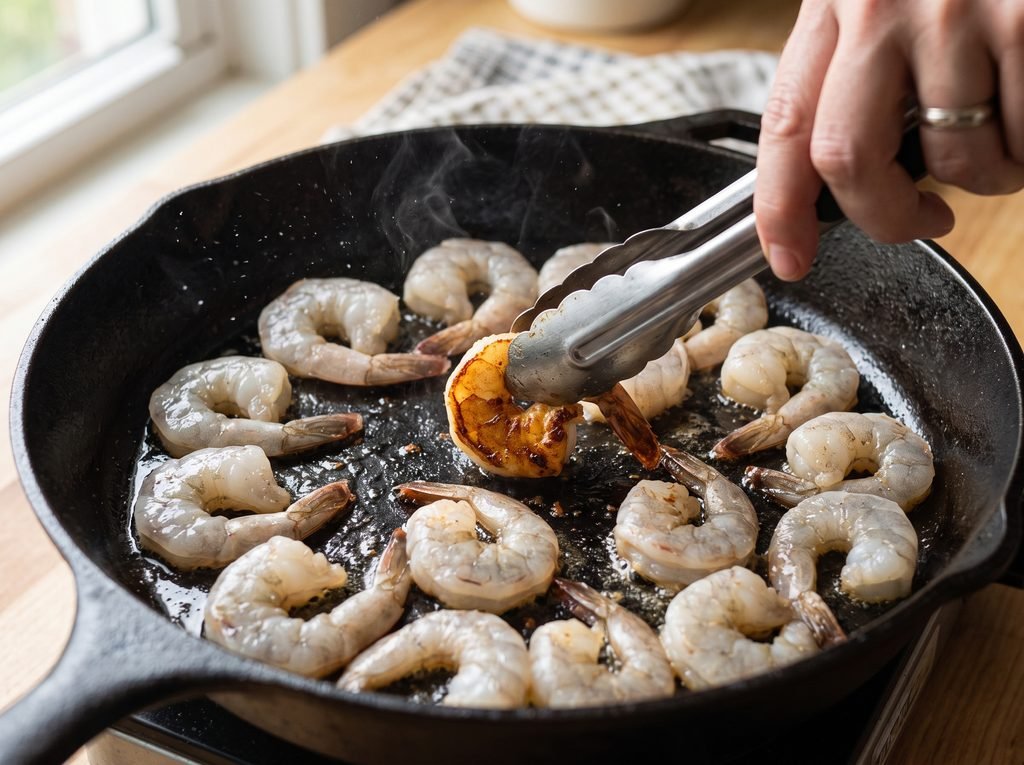
- Add the seasoned shrimp to the hot skillet in a single layer. Sear for 1 to 2 minutes per side until they just turn pink and opaque. Do not overcook. Immediately remove the shrimp from the skillet and set them aside on a plate.
- Reduce the skillet heat to medium. Add the minced garlic and red pepper flakes to the remaining fat in the pan. Sauté for 30 to 60 seconds until fragrant, being careful not to let the garlic brown.
- Pour in the dry white wine and fresh lemon juice to deglaze the pan, scraping up any browned bits from the bottom. Let the liquid simmer and reduce by half, which should take about 3 minutes.
- Reduce the heat to low and whisk in the remaining 2 tablespoons of butter until the sauce is smooth, creamy, and emulsified.
- Add the drained cooked pasta, the cooked shrimp (and any juices from the plate), and the freshly chopped parsley into the skillet. Toss everything together vigorously to coat the pasta in the sauce. If the sauce is too thick, add a splash of the reserved pasta water.
- Serve immediately in warm bowls, garnished with freshly grated Parmesan cheese.
Recipe Tips: Make sure you pull the shrimp out of the pan as soon as they turn pink. They will finish cooking when you toss them back into the hot pasta sauce at the end.
Variations/Substitutions: If you do not consume alcohol, you can easily substitute the white wine with 1/2 cup of low-sodium chicken broth mixed with an extra tablespoon of lemon juice. If you want to add vegetables, toss in two cups of fresh baby spinach at the very end and let it wilt into the hot pasta.
Storage Instructions: Store leftover shrimp scampi in an airtight container in the refrigerator for up to 3 days.
Reheating Instructions: Reheat gently in a skillet on the stove over medium-low heat. Add a splash of water or a small pat of butter to help loosen the pasta and revive the sauce. Do not microwave on high power, or the shrimp will become tough.
Serving Suggestions: Serve with thick slices of warm, crusty garlic bread to soak up the incredible lemon butter sauce at the bottom of the bowl, and a simple side salad of mixed greens.
Recipe 2: Easy Baja-Style Shrimp Tacos with Cilantro Lime Crema
Taco night gets a massive upgrade with this recipe. The shrimp are coated in a vibrant, smoky spice blend and seared until charred, then tucked into warm tortillas with a crunchy cabbage slaw and a cooling, tangy crema. It is fresh, bright, and completely irresistible.
Prep Time: 15 minutes Cook Time: 6 minutes Total Time: 21 minutes Servings: 4 (makes about 8 to 10 tacos)
Ingredients:
For the Shrimp:
- 1 lb (16 oz) medium shrimp (31/40 count), peeled and deveined, tails completely removed
- 1 tablespoon olive oil
- 1 tablespoon chili powder
- 1 teaspoon ground cumin
- 1 teaspoon smoked paprika
- 1/2 teaspoon garlic powder
- 1/2 teaspoon onion powder
- 1/2 teaspoon kosher salt
For the Cilantro Lime Crema:
- 1/2 cup sour cream (or plain Greek yogurt)
- 1/4 cup mayonnaise
- 1/4 cup fresh cilantro, finely chopped
- 1 clove garlic, grated or minced
- 2 tablespoons fresh lime juice
- Pinch of salt
For Serving:
- 8 to 10 small corn or flour tortillas
- 2 cups shredded green or purple cabbage
- 1 avocado, diced
- Fresh lime wedges
Step-by-step Instructions:
- First, make the crema so the flavors have time to meld. In a small mixing bowl, whisk together the sour cream, mayonnaise, chopped cilantro, minced garlic, lime juice, and a pinch of salt until smooth. Set aside in the refrigerator.
- Place the thawed, thoroughly dried shrimp in a medium mixing bowl. Drizzle with the olive oil, then add the chili powder, ground cumin, smoked paprika, garlic powder, onion powder, and kosher salt. Toss well until every shrimp is completely coated in the spices.
- Heat a large cast-iron skillet or heavy-bottomed frying pan over medium-high heat. You want the pan to be very hot to get a good char.
- Add the seasoned shrimp to the dry, hot skillet in a single layer. (The oil on the shrimp is enough to prevent sticking). Sear undisturbed for 2 to 3 minutes until a dark crust forms on the bottom.
- Flip the shrimp and cook for an additional 1 to 2 minutes until cooked through and opaque. Remove from the heat.
- Warm your tortillas. You can do this by wrapping them in a damp paper towel and microwaving for 30 seconds, or by lightly charring them directly over a low gas stove burner for a few seconds per side.
- Assemble the tacos: Lay down a warm tortilla, add a bed of shredded cabbage, top with a generous spoonful of the spiced shrimp, add a few pieces of diced avocado, and drizzle heavily with the cilantro lime crema.
Recipe Tips: Drying the shrimp before adding the oil and spices is critical. If the shrimp are wet, they will steam in the pan rather than searing, and you will miss out on that delicious, smoky charred crust.
Variations/Substitutions: If you prefer a milder taco, reduce the chili powder by half. If you want it spicy, add a pinch of cayenne pepper to the shrimp seasoning, or blend a fresh jalapeño directly into the cilantro lime crema.
Storage Instructions: Store the cooked shrimp, cabbage, and crema in separate airtight containers in the refrigerator for up to 3 days.
Reheating Instructions: Warm the shrimp quickly in a hot skillet for just one minute, or eat them cold! Cold spiced shrimp are surprisingly delicious in tacos.
Serving Suggestions: Serve alongside a bowl of warm tortilla chips with fresh pico de gallo, guacamole, and a side of Mexican street corn (elote) or black beans.
Recipe 3: 15-Minute Honey Garlic Glazed Shrimp
When you are craving Asian takeout but want something healthier and faster, this recipe is the answer. The sweet, sticky, and savory sauce glazes the shrimp perfectly, creating a highly satisfying dinner that pairs beautifully with a simple bowl of rice.
Prep Time: 5 minutes Cook Time: 8 minutes Total Time: 13 minutes Servings: 4
Ingredients:
- 1 lb (16 oz) large shrimp (26/30 count), peeled and deveined, tails on or off
- 1 tablespoon olive oil or avocado oil
- 1/3 cup honey
- 1/4 cup low-sodium soy sauce (or tamari for gluten-free)
- 1 tablespoon rice vinegar
- 3 cloves garlic, minced
- 1 tablespoon fresh ginger, grated
- 1/2 teaspoon sesame oil
- 1 green onion (scallion), thinly sliced (for garnish)
- 1 teaspoon toasted sesame seeds (for garnish)
Step-by-step Instructions:
- In a small mixing bowl, whisk together the honey, low-sodium soy sauce, rice vinegar, minced garlic, grated fresh ginger, and sesame oil. Set the glaze aside.
- Pat the thawed shrimp completely dry with paper towels.
- Heat the olive oil in a large skillet over medium-high heat. Once the oil is shimmering, add the shrimp in a single, even layer.
- Sear the shrimp for 1 minute on the first side.
- Flip the shrimp over, and immediately pour the prepared honey garlic glaze directly into the skillet over the shrimp.
- Let the sauce come to a rapid, bubbling boil. Allow the shrimp to cook in the boiling sauce for 2 to 3 minutes. The liquid will rapidly reduce, thicken, and turn into a sticky, glossy glaze that beautifully coats the shrimp.
- Once the shrimp are opaque and curled, and the sauce is thick enough to coat the back of a spoon, remove the skillet from the heat.
- Garnish the dish generously with sliced green onions and toasted sesame seeds.
Recipe Tips: Fresh ginger makes a massive difference in this recipe. While you can use ginger powder in a pinch, taking the time to grate fresh ginger root gives the sauce an incredible, vibrant, restaurant-quality punch.
Variations/Substitutions: To make this dish spicy, add a tablespoon of sriracha or a teaspoon of crushed red pepper flakes to the sauce mixture. You can also toss in a cup of steamed broccoli florets or snow peas during the last minute of cooking to make it a complete stir-fry.
Storage Instructions: Store leftovers in an airtight container in the refrigerator for up to 3 days.
Reheating Instructions: Reheat in the microwave in 30-second bursts until just warmed through, or gently reheat in a skillet over low heat. The glaze may thicken in the fridge, so adding a teaspoon of water when reheating will loosen it back up.
Serving Suggestions: Serve this sticky, glazed shrimp directly over a bed of hot, fluffy jasmine rice or quinoa, ensuring you scrape every drop of the extra glaze from the pan over the top. Pair with steamed bok choy or a crisp cucumber salad.
Helpful Tips for Cooking Perfect Shrimp Every Time
No matter which of these shrimp recipes you choose to make, there are a few universal rules to handling this seafood. Follow these tips to ensure your meals are always a resounding success.
The “C” vs. “O” Rule for Doneness The biggest mistake home cooks make with shrimp is overcooking it. Shrimp cooks incredibly fast. An easy visual cue is to look at the shape. As shrimp cooks, the muscle contracts. A perfectly cooked shrimp will curl into a loose “C” shape. If the shrimp has curled so tightly that the head meets the tail forming an “O” shape, it is overcooked and will likely be rubbery and tough. Remove them from the heat as soon as they form a “C” and turn a beautiful pink/orange color.
Moisture is the Enemy of a Good Sear If you want to achieve a beautiful, restaurant-quality caramelized crust on your shrimp (especially for tacos or stir-fries), they must be completely dry before they hit the hot pan. If they are wet from thawing, the water will instantly turn to steam in the skillet, and your shrimp will boil rather than sear. Use several paper towels to aggressively pat the raw shrimp dry before seasoning them.
Do Not Overcrowd the Pan If you dump an entire pound of cold shrimp into a small skillet all at once, the temperature of the pan will drop dramatically. This prevents a good sear and causes the shrimp to cook unevenly. Use your largest skillet, and arrange the shrimp in a single layer with a little space between them. If necessary, cook the shrimp in two batches.
Leave the Tails on for Flavor, Off for Convenience Many recipes call for leaving the tails on the shrimp. The shells contain a massive amount of flavor, and cooking with the tails on imparts a deeper, more savory seafood taste to your sauces. It also makes for a prettier, more elegant presentation. However, if you are making a dish where you want to eat entirely with a fork or bite directly into a taco, take the extra two minutes to pull the tails off before cooking.
What to Serve With Shrimp
Because shrimp is a light, lean protein, it pairs wonderfully with both heavy comfort foods and light, fresh sides.
- Complex Carbohydrates: Shrimp is fantastic served over starches that can soak up its sauces. Fluffy white rice, brown rice, quinoa, couscous, or pasta are all classic pairings.
- Roasted or Steamed Vegetables: To keep the meal low-carb and healthy, serve your shrimp with a side of roasted asparagus, steamed broccoli, blistered green beans, or a vibrant medley of roasted bell peppers and onions.
- Fresh Salads: A bright, acidic salad cuts through the richness of butter sauces or sweet glazes perfectly. Try a simple arugula salad with lemon vinaigrette, or a crunchy cabbage slaw.
Frequently Asked Questions
Can I cook shrimp directly from frozen? While it is technically possible to boil or roast shrimp from frozen, it is not recommended for pan-searing or sautéing. Cooking from frozen releases a massive amount of water into the pan, ruining your sauce and preventing a sear. Since shrimp thaws in just 15 minutes under cold running water, it is always worth taking the time to thaw it first.
Is the dark vein in the back of the shrimp safe to eat? Yes, it is entirely safe to eat, but it is not particularly appetizing. The dark line running down the back of a shrimp is its digestive tract. While eating it will not harm you, it can sometimes contain grit or sand, which ruins the texture of your meal. Buying “peeled and deveined” shrimp eliminates this problem completely.
How do I know if raw shrimp has gone bad? Fresh or properly thawed shrimp should smell like the clean, salty ocean. If your raw shrimp smells heavily like ammonia, sulfur, or has a strong “fishy” odor, it has started to spoil and should be discarded. The flesh should also be firm and slightly translucent, not slimy or mushy.
Can I use pre-cooked shrimp for these recipes? It is not recommended. Pre-cooked shrimp (the kind sold for shrimp cocktail) has already been boiled. If you try to pan-sear it or simmer it in a sauce, you will be cooking it twice, guaranteeing that it will turn out incredibly rubbery, tough, and dry. Always buy raw shrimp for hot recipes.
What is the difference between wild-caught and farm-raised shrimp? Wild-caught shrimp are harvested directly from oceans and gulfs. They tend to have a firmer texture and a more complex, brinier flavor, but they are often more expensive. Farm-raised shrimp are bred in aquaculture ponds. They are generally more affordable and have a milder, more uniform flavor. Both are excellent choices; just look for brands that certify sustainable farming or fishing practices.
Final Thoughts
Pivoting away from heavy, time-consuming dinners and embracing the speed and versatility of shrimp is one of the best decisions you can make for your weeknight routine. With a simple bag of frozen shrimp in your arsenal, you are never more than thirty minutes away from a spectacular, high-quality meal.
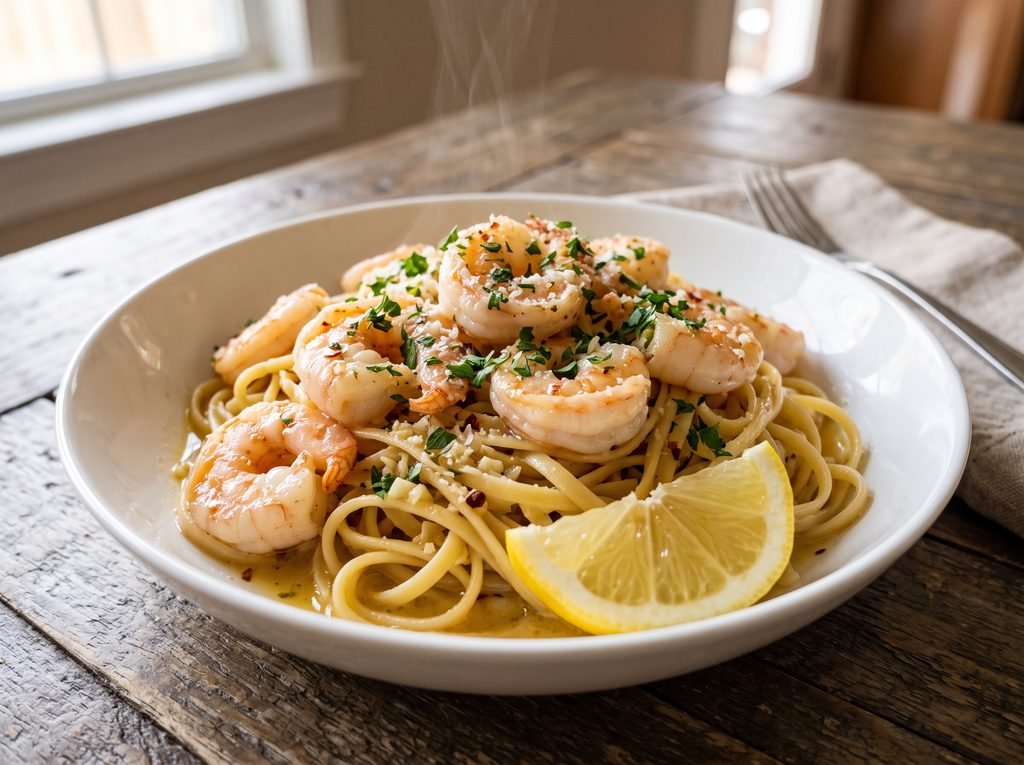
Whether you find comfort in a bowl of classic Garlic Butter Shrimp Scampi Pasta, crave the fresh, vibrant crunch of Baja-Style Tacos, or want the quick, savory satisfaction of a Honey Garlic Glaze, these shrimp recipes prove that fast food can absolutely be fine food. The next time you are staring blankly into your refrigerator at five o’clock, skip the takeout menu. Grab a colander, thaw out some shrimp, and get ready to enjoy a delicious, stress-free dinner.