
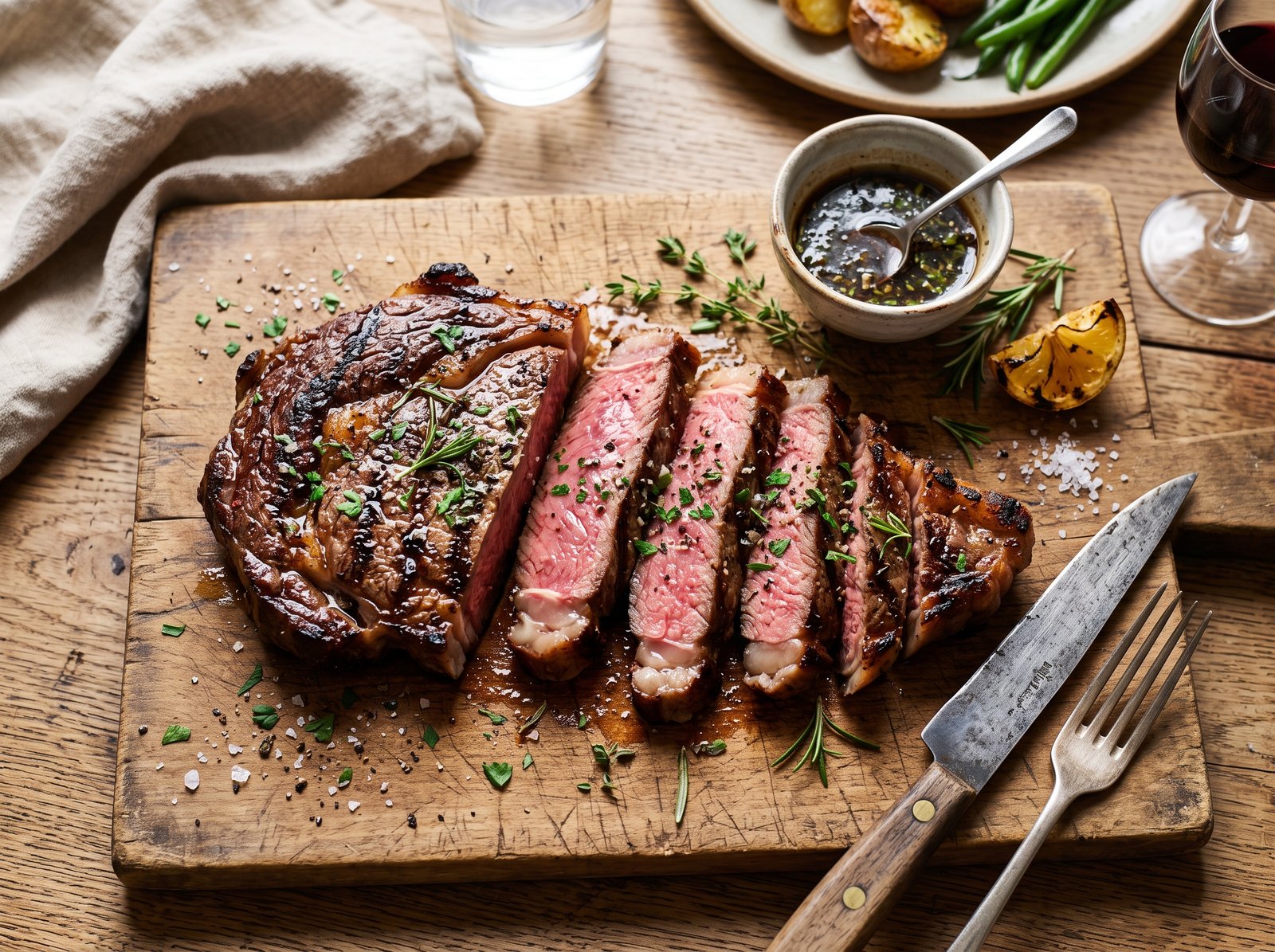
The Ultimate Steak Marinade for Grilling
There is nothing quite like the sound of a steak hitting a hot grill, followed closely by the mouthwatering aroma of caramelized beef, garlic, and savory herbs filling the backyard. Grilling season is a sacred time in American culture, and whether you are firing up a gas grill for a quick weeknight dinner or tending to glowing coals on a slow Sunday afternoon, knowing how to properly prepare your meat is the key to barbecue success.
While premium cuts like ribeye or filet mignon often need little more than salt and pepper, other incredibly flavorful cuts—like flank, skirt, and sirloin—benefit massively from a great marinade. The right blend of ingredients will tenderize the beef, infuse it with incredible depth of flavor, and help develop that beautiful, slightly charred crust we all crave.
This steak marinade for grilling is the only recipe you will ever need. It strikes the perfect balance of savory umami, mild acidity, garlic-forward aromatics, and just a hint of sweetness for caramelization. It transforms affordable cuts of beef into steakhouse-quality meals, making it a staple you will reach for all summer long.
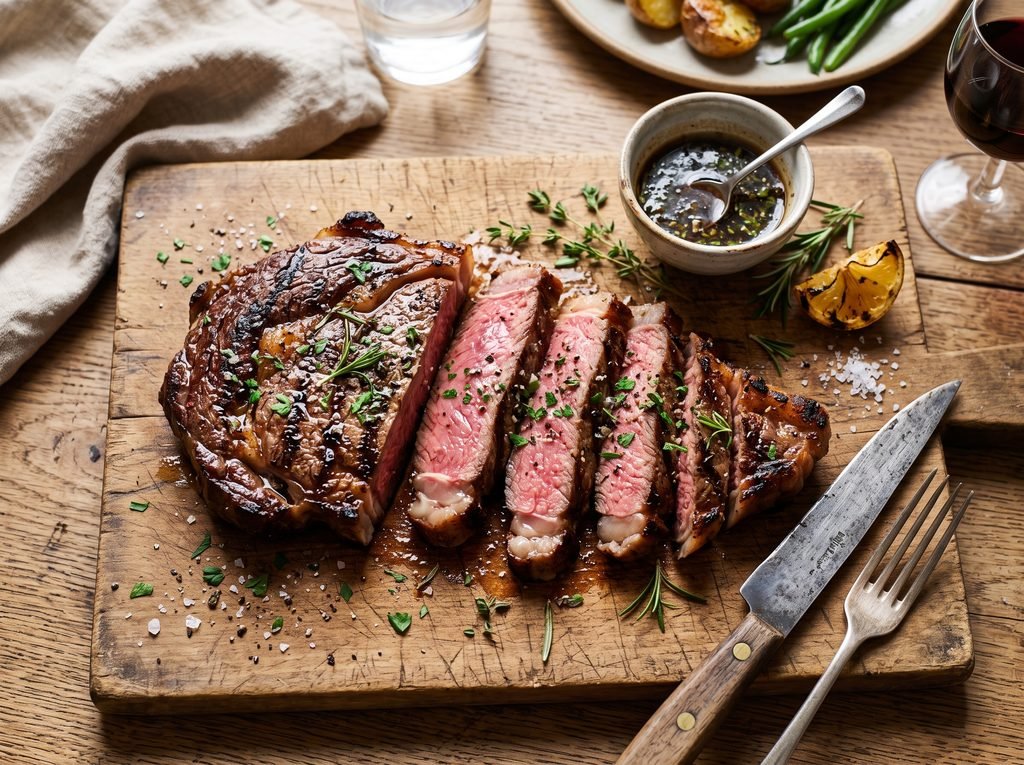
What Is a Steak Marinade?
At its core, a steak marinade is a seasoned liquid mixture that meat soaks in before cooking. However, a truly great marinade is not just a random assortment of liquids and spices tossed into a bag. It is a carefully calculated culinary formula designed to improve the texture and taste of the meat.
A scientifically balanced marinade relies on four primary components:
- Salt (or Umami): This is the only component that deeply penetrates the meat fibers. Ingredients like soy sauce or Worcestershire sauce provide salinity while also delivering a heavy dose of umami, the savory “fifth taste” that makes beef taste even beefier.
- Acid: An acidic component, such as lemon juice, vinegar, or buttermilk, works to gently weaken the tough muscle fibers on the surface of the meat. This tenderizing effect is crucial for cuts like flank or hanger steak.
- Fat: Oil acts as a vehicle for fat-soluble flavors (like certain herbs and spices) to distribute evenly across the meat. It also coats the steak, preventing it from sticking to the hot grill grates and helping to conduct heat for a better sear.
- Flavorings: This includes aromatics like fresh garlic, onions, herbs, spices, and sometimes a touch of sugar. Sugar is particularly important because it aids in the Maillard reaction—the chemical process that gives browned food its distinctive flavor and beautiful dark crust.
Why You’ll Love This Recipe
You will quickly find yourself memorizing this recipe because it is incredibly reliable and remarkably versatile. Here is why this specific marinade works so well:
- Pantry-Friendly Ingredients: You do not need to make a special trip to the grocery store for obscure items. This recipe uses common condiments and spices you likely already have in your kitchen.
- Fast Preparation: Whisking the ingredients together takes less than five minutes. From there, the refrigerator does all the heavy lifting.
- Maximum Tenderizing Power: The combination of balsamic vinegar and soy sauce breaks down tough fibers perfectly without turning the exterior of the meat mushy.
- Incredible Crust: The inclusion of brown sugar and olive oil guarantees a gorgeous, restaurant-quality char on the grill, elevating the visual appeal and the flavor profile.
- Versatility: While it is designed for beef, this exact same marinade works wonders on pork chops, chicken thighs, and even hearty vegetables like portobello mushrooms.
Ingredients You Need
To create the ultimate steak marinade for grilling, you will need the following ingredients. Each plays a specific role in building a complex, mouthwatering flavor profile.
- Soy Sauce: (1/2 cup) Use a good quality, naturally brewed soy sauce. It acts as the primary salt source and provides a deep, savory umami base. If you are watching your sodium intake, low-sodium soy sauce works perfectly.
- Olive Oil: (1/3 cup) Extra-virgin olive oil helps carry the flavors of the garlic and herbs across the meat. It also adds richness and helps prevent the steak from sticking to the grill. You can substitute avocado oil if you prefer a higher smoke point.
- Balsamic Vinegar: (3 tablespoons) Balsamic offers a complex, slightly sweet acidity that pairs beautifully with red meat. It tenderizes the steak while adding a rich, dark color.
- Worcestershire Sauce: (2 tablespoons) This complex British condiment is a powerhouse of flavor, containing anchovies, molasses, tamarind, and cloves. It amplifies the natural beefiness of the steak.
- Lemon Juice: (1 tablespoon) Freshly squeezed lemon juice brightens the heavy, savory flavors and provides a sharp, immediate acidic bite to help tenderize the meat’s surface.
- Garlic: (4 cloves, minced) Fresh garlic is non-negotiable for a great steak. It provides a pungent, spicy, and earthy flavor that dried garlic powder simply cannot replicate.
- Dijon Mustard: (1 tablespoon) Beyond adding a subtle, sharp tang, Dijon mustard acts as an emulsifier. It helps bind the oil and vinegar together so the marinade does not separate in the bag.
- Brown Sugar: (2 tablespoons) A little sweetness balances the salt and acid. More importantly, brown sugar caramelizes beautifully over an open flame, creating a charred, flavorful crust.
- Black Pepper: (1 teaspoon) Freshly cracked black pepper adds a warm, aromatic heat.
- Dried Italian Seasoning: (1 teaspoon) A blend of oregano, basil, thyme, and rosemary introduces earthy, herbal notes that complement grilled beef.
Best Cuts of Steak for Marinating
Not all steaks are created equal, and not all of them need a marinade. Expensive, well-marbled cuts like a ribeye, New York strip, or filet mignon are naturally tender and flavorful; they are best served with a simple dry brine of kosher salt. Marinades are designed for leaner, tougher, or more aggressively grained cuts of beef that need a little help in the tenderness department.
Flank Steak
This is arguably the most popular cut for marinating. It is a long, flat cut from the abdominal muscles of the cow. It has a very distinct, coarse grain and a robust beef flavor. Because it is flat, it takes to marinades quickly and cooks in a flash over high heat.
Skirt Steak
Similar to flank steak but with an even looser grain and a higher fat content, skirt steak is the traditional choice for fajitas. It acts like a sponge for marinades, particularly those with high acidity and citrus. It should be grilled very hot and very fast to a medium-rare temperature.
Sirloin Steak
Top sirloin is an excellent, affordable option for everyday dinners. It is relatively lean but tender enough to be eaten as a traditional steak. A good marinade adds the fat and flavor that this leaner cut naturally lacks. Sirloin is also the best choice for cutting into cubes for beef kabobs.
Hanger Steak
Once known as the “butcher’s steak” because butchers would keep it for themselves, hanger steak has a deep, almost offal-like richness. It responds beautifully to the strong flavors of garlic and soy sauce.
How to Make the Best Steak Marinade
Making the marinade and prepping the beef is a simple, straightforward process. Follow these steps for the best results.
Step 1: Whisk the Marinade
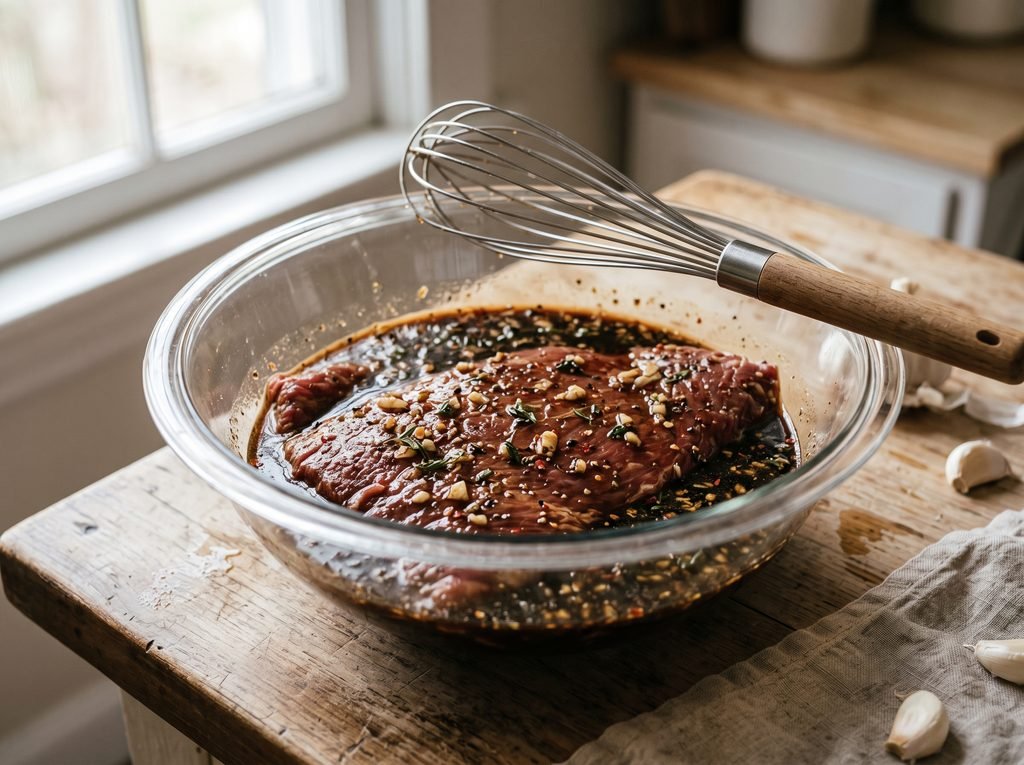
In a medium-sized mixing bowl, combine the soy sauce, olive oil, balsamic vinegar, Worcestershire sauce, lemon juice, minced garlic, Dijon mustard, brown sugar, black pepper, and Italian seasoning. Whisk vigorously until the mustard emulsifies the mixture, creating a smooth, cohesive liquid.
Step 2: Prepare the Steak
Remove your steak from its packaging and pat it dry with paper towels. If you are using a flank or skirt steak, use a fork to lightly pierce the meat all over. This technique, called mechanically tenderizing, creates tiny channels for the marinade to penetrate deeper into the muscle fibers.
Step 3: Combine and Marinate
Place your steak into a large, heavy-duty zip-top plastic bag or a shallow glass baking dish. Pour the marinade over the meat. If using a bag, squeeze out as much air as possible before sealing so the meat is completely surrounded by the liquid. Massage the bag gently to ensure every inch of the beef is coated.
Transfer the steak to the refrigerator. For thinner cuts like skirt steak, 2 to 4 hours is sufficient. For thicker cuts like sirloin or flank steak, aim for at least 4 hours, or ideally overnight (up to 24 hours).
Step 4: Prep for the Grill
About 30 to 45 minutes before you plan to cook, remove the marinating steak from the refrigerator. Letting the meat come slightly closer to room temperature ensures it cooks more evenly on the grill.
When you are ready to cook, remove the steak from the marinade. Crucial step: Use a paper towel to pat the excess moisture off the surface of the steak. If the steak is dripping wet when it hits the grill, the liquid will turn to steam, preventing the meat from searing and developing a crust. Discard the remaining used marinade.
Grilling Instructions and Temperature Guide
To get the most out of your marinated steak, you need to master the grill. You want high, direct heat to sear the exterior quickly, locking in those caramelized flavors without overcooking the interior.
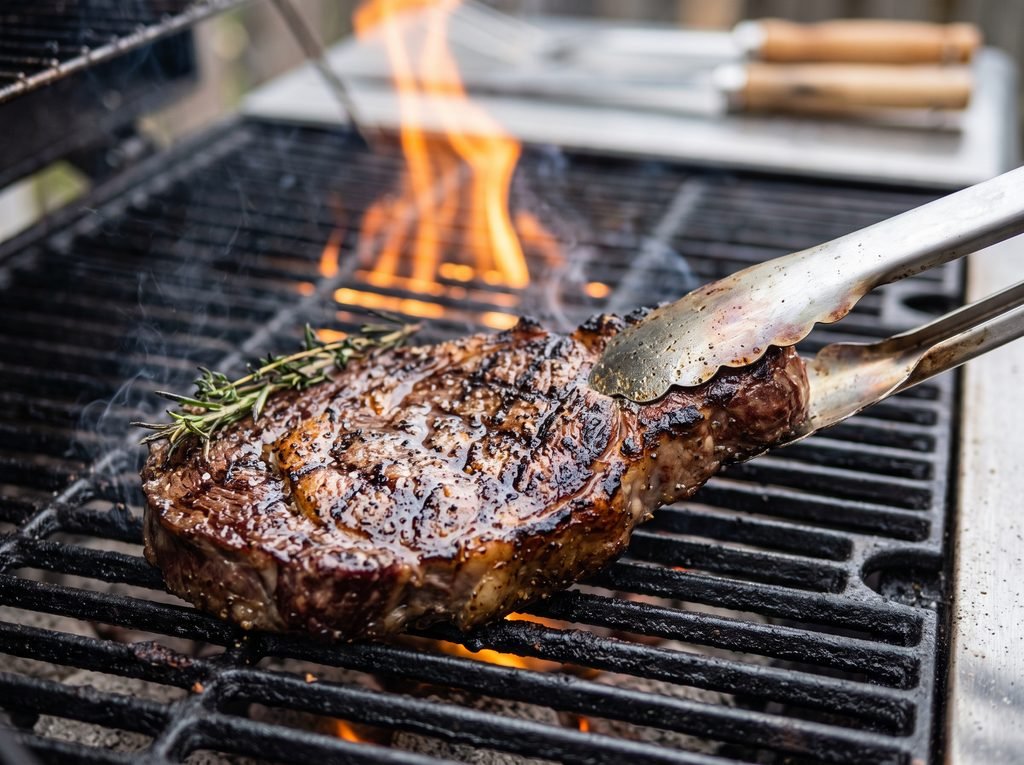
- Preheat the Grill: Clean your grill grates with a wire brush. Preheat your gas or charcoal grill for high, direct heat (roughly 450°F to 500°F). Lightly oil the grates using a pair of tongs and a folded paper towel dipped in high-heat cooking oil (like canola or vegetable oil).
- The Sear: Place the steak directly over the heat source. For a standard 1-inch thick flank or sirloin steak, grill for about 4 to 5 minutes on the first side until deeply browned and slightly charred.
- The Flip: Flip the steak and grill for an additional 3 to 5 minutes.
- Check the Temperature: The only foolproof way to know when your steak is done is to use an instant-read meat thermometer. Insert the probe into the thickest part of the meat.
Beef Doneness Temperature Guide
| Doneness | Internal Temperature | Center Appearance |
| Rare | 120°F – 125°F | Cool, bright red center |
| Medium-Rare | 130°F – 135°F | Warm, red/pink center |
| Medium | 140°F – 145°F | Warm, pink center |
| Medium-Well | 150°F – 155°F | Slightly pink center |
| Well Done | 160°F+ | Little to no pink |
Note: The USDA recommends cooking raw beef cuts to an internal temperature of 145°F, followed by a 3-minute rest. However, many chefs and home cooks prefer medium-rare (130°F).
The Importance of Resting and Slicing
Once the steak reaches your desired temperature (pull it off the grill about 5 degrees before your target temperature, as it will continue to cook as it rests), transfer it to a clean cutting board.
Do not cut into it immediately. Tent it loosely with aluminum foil and let it rest for 5 to 10 minutes. This allows the muscle fibers to relax and the juices to redistribute throughout the meat. If you cut it too soon, all those flavorful juices will run out onto your cutting board, leaving you with dry meat.
Finally, you must slice the steak against the grain. Look at the meat and identify the direction the muscle fibers are running. Position your knife perpendicular to those lines and slice cleanly across them. This shortens the muscle fibers, making every bite incredibly tender and easy to chew.
Helpful Tips for the Best Results
- Do Not Over-Marinate: More time is not always better. Because this marinade contains acids (lemon juice and balsamic vinegar), leaving the meat in the liquid for more than 24 hours will cause the protein structures to break down too much, resulting in a mushy, mealy texture.
- Do Not Reuse Raw Marinade: Once raw meat has been in the marinade, the liquid is contaminated with bacteria. If you want to use the marinade as a sauce to drizzle over the finished steak, you must transfer the leftover liquid to a small saucepan and boil it vigorously for at least 5 minutes to ensure it is food-safe. Alternatively, simply reserve 1/4 cup of the fresh marinade before you add the raw meat to use as a finishing sauce.
- Use Glass or Plastic: Always marinate in a glass dish, a heavy-duty plastic bag, or a stainless steel bowl. Avoid reactive metals like aluminum or cast iron, which can react with the acids in the marinade and give the food a metallic taste.
Variations and Substitutions
This recipe is highly adaptable. Feel free to tweak the ingredients based on what you have in your pantry or the specific flavor profile you are craving.
- Spicy Kick: If you like some heat, add 1 teaspoon of crushed red pepper flakes, a squirt of sriracha, or a finely minced jalapeño to the mixture.
- Asian-Inspired: Swap the balsamic vinegar for rice vinegar, replace the Italian seasoning with a teaspoon of freshly grated ginger, and add a dash of toasted sesame oil. Garnish the cooked steak with sesame seeds and green onions.
- Citrus Herb: Swap the balsamic vinegar for lime juice, replace the brown sugar with honey, and add a handful of finely chopped fresh cilantro and parsley.
- Gluten-Free: Traditional soy sauce contains wheat. To make this recipe completely gluten-free, substitute the soy sauce with an equal amount of Tamari or coconut aminos, and verify that your brand of Worcestershire sauce is certified gluten-free.
What to Serve With Marinated Grilled Steak
A boldly flavored grilled steak deserves side dishes that can stand up to its savory profile while providing a fresh contrast.
- Grilled Vegetables: Since you already have the grill fired up, toss some asparagus, bell peppers, zucchini, or thick slices of red onion in a little olive oil, salt, and pepper, and grill them alongside the beef.
- Potatoes: A classic steakhouse pairing. Serve with creamy mashed potatoes, crispy roasted baby potatoes, or a traditional loaded baked potato.
- Fresh Salads: A crisp Caesar salad, a tangy coleslaw, or a fresh tomato and mozzarella Caprese salad offers a cool, acidic contrast to the rich meat.
- Corn on the Cob: Grilled sweet corn slathered in butter and a sprinkle of smoked paprika is the quintessential American summer side dish.
- Garlic Bread: Thick slices of crusty French bread, toasted on the grill and rubbed with garlic butter, are perfect for soaking up any leftover juices on the plate.
Storage and Reheating
If you happen to have leftover steak, proper storage and reheating techniques will ensure it tastes just as good the next day.
Storage: Allow the cooked steak to cool completely to room temperature. Transfer the slices to an airtight container and store them in the refrigerator for up to 3 to 4 days.
Reheating: Reheating steak can be tricky, as microwaves tend to overcook the meat, turning a perfect medium-rare into a tough, gray, well-done mess.
The best method is to reheat the steak gently on the stovetop. Heat a skillet over medium-low heat with a small pat of butter or a splash of beef broth. Add the steak slices and heat gently for 2 to 3 minutes, just until warmed through.
Alternatively, leftover marinated steak is phenomenal served cold. Slice it thin and use it in steak sandwiches, toss it over a green salad, or wrap it in a flour tortilla with some cheese and salsa.
Frequently Asked Questions
How long should I marinate a steak?
For the best flavor and texture, marinate thinner cuts (like skirt or flank) for 2 to 4 hours. Thicker cuts (like sirloin) benefit from 4 to 12 hours. Do not exceed 24 hours, as the acids will begin to turn the meat mushy.
Can I freeze steak in the marinade?
Yes! This is a fantastic meal-prep hack. Place the raw steak and the freshly mixed marinade into a freezer-safe zip-top bag. Squeeze out the air, seal, and freeze for up to 3 months. As the steak thaws in the refrigerator overnight, it will marinate simultaneously.
Should I poke holes in my steak before marinating?
For tougher, heavily grained cuts like flank or skirt steak, poking light holes with a fork (jaccarding) can help the marinade penetrate deeper. However, do not do this with tender cuts like ribeye, as it can cause them to lose too much moisture during cooking.
Why did my marinated steak burn on the grill?
If your steak burnt quickly, it is likely due to the sugar in the marinade. Ensure you pat the steak dry with paper towels before placing it on the grill. Additionally, watch your grill temperature—if the flames are too high, the sugars will scorch before the meat cooks through.
Can I use this marinade for chicken or pork?
Absolutely. This savory, umami-rich flavor profile works beautifully with boneless skinless chicken thighs, chicken breasts, and thick-cut pork chops. Adjust your cooking times and final internal temperatures accordingly (165°F for chicken, 145°F for pork).
Do I have to use Worcestershire sauce?
While highly recommended for its depth of flavor, if you do not have it, you can substitute it with equal parts soy sauce and ketchup, or simply use an extra tablespoon of soy sauce mixed with a dash of hot sauce.
Final Thoughts
Mastering the art of the backyard barbecue doesn’t require expensive cuts of meat or complicated culinary techniques. Armed with a few simple pantry staples and an understanding of how acids, fats, and salt interact with beef, you can transform everyday cuts into extraordinary meals. This steak marinade for grilling is designed to be your reliable, go-to recipe for the summer. Fire up the grill, let the meat soak up those incredible flavors, and get ready to serve up the best steak of the season.