
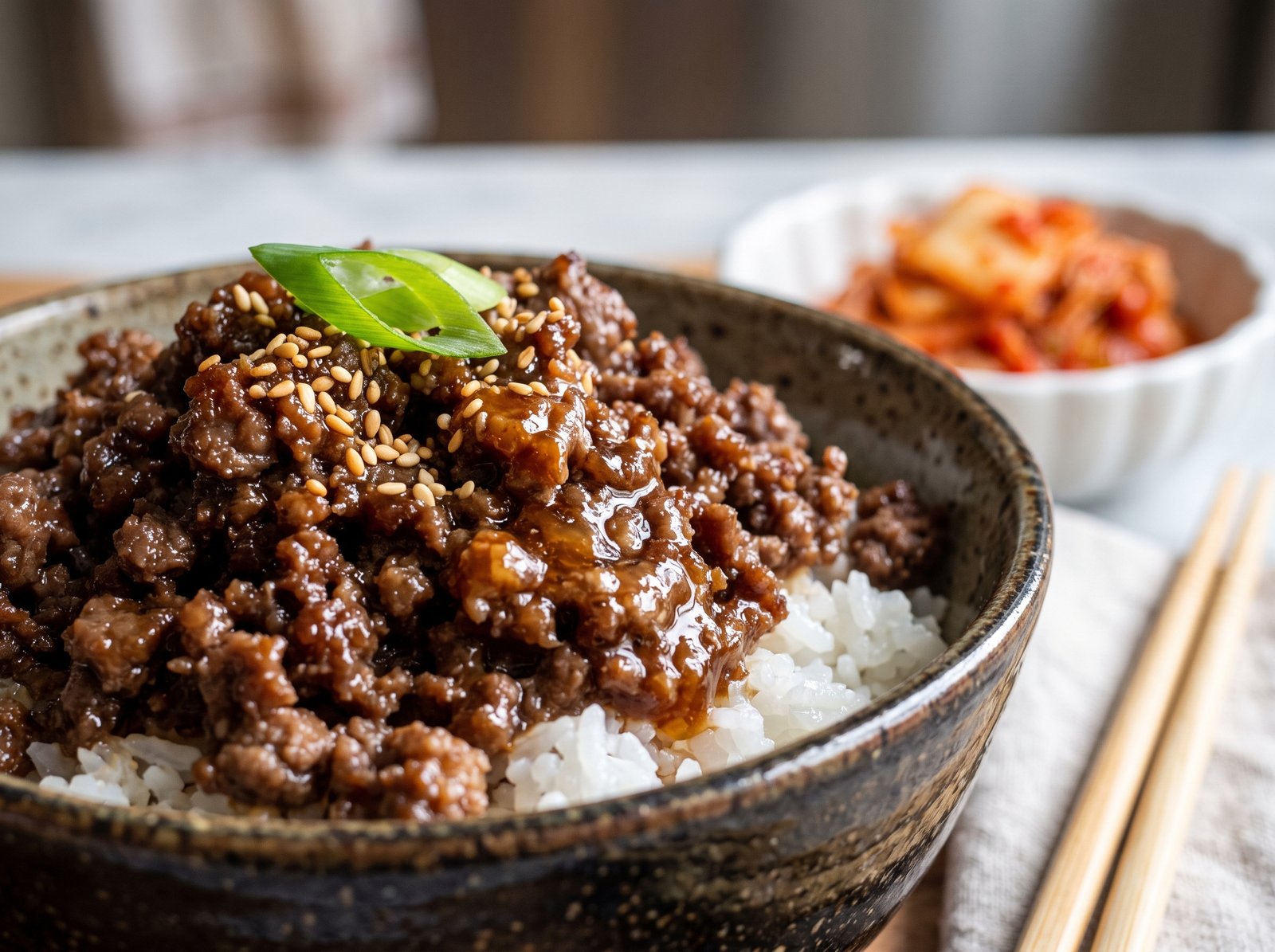
Easy Korean Beef Bowl: The Ultimate 20-Minute Weeknight Dinner
When the evening rolls around and the exhaustion of a long day sets in, the temptation to order expensive takeout can be overwhelmingly strong. You want something savory, slightly sweet, deeply comforting, and entirely satisfying. But before you reach for your phone to pay those hefty delivery fees, consider an alternative that is faster, healthier, and incredibly budget-friendly: the Korean beef bowl.
This dish has taken the home-cooking world by storm, and for a very good reason. It captures the intoxicating, complex flavors of classic Korean barbecue but strips away the long marinating times and the need for expensive cuts of steak. Instead, it relies on affordable ground beef and a handful of powerful pantry staples to deliver a restaurant-quality meal in literally twenty minutes.
The brilliance of this recipe lies in its simplicity and its perfectly balanced flavor profile. The beef is browned until crispy and caramelized, then bathed in a glossy, fragrant sauce made from soy sauce, toasted sesame oil, brown sugar, garlic, and fresh ginger. When served over a steaming bowl of fluffy white rice and topped with a vibrant array of fresh garnishes, it becomes a culinary masterpiece that hits every single taste bud.
Whether you are a busy parent trying to feed a family of picky eaters, a young professional looking for the ultimate meal-prep recipe, or simply someone who loves massive flavor with minimal effort, this Korean beef bowl is about to revolutionize your weeknight dinner routine. Let’s dive into everything you need to know to master this spectacular dish.
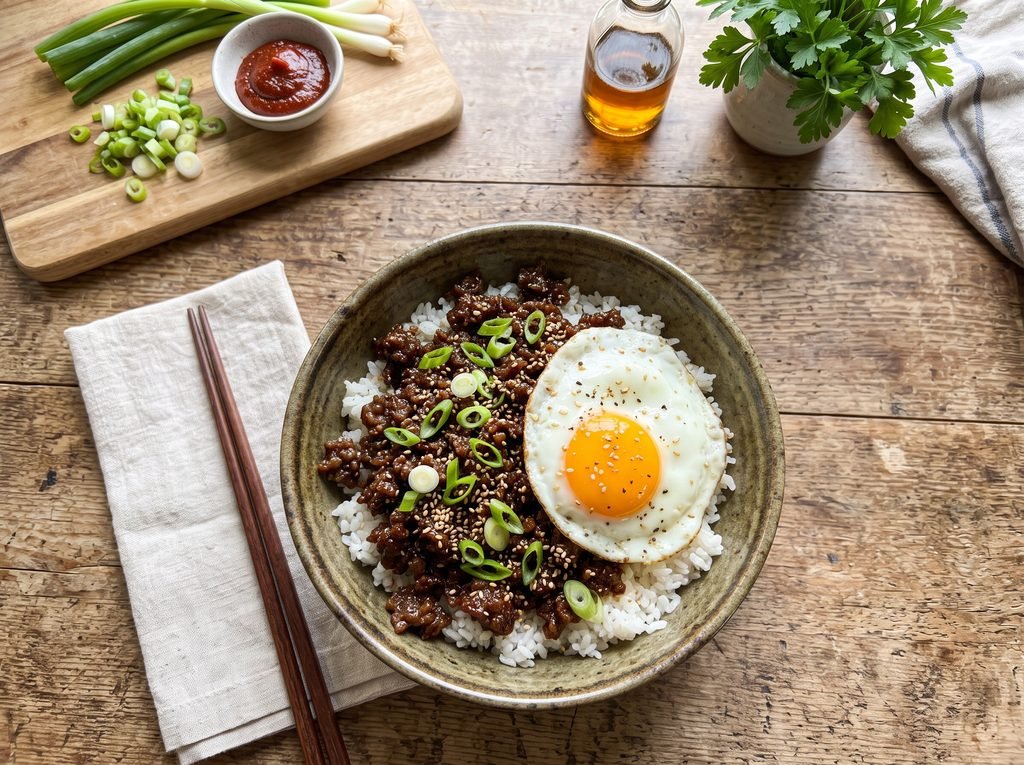
What Is a Korean Beef Bowl?
To understand the Korean beef bowl, we first need to look at its culinary inspiration: Bulgogi. Traditional Korean Bulgogi translates literally to “fire meat.” It is a beloved, iconic dish consisting of paper-thin slices of prime beef—usually ribeye or sirloin—that are marinated for hours in a pureed mixture of soy sauce, sugar, sesame oil, garlic, and Asian pear (which acts as a natural meat tenderizer). The marinated beef is then grilled rapidly over an open flame, resulting in tender, smoky, sweet-and-savory meat that is often wrapped in lettuce leaves or eaten with rice and an array of small side dishes known as banchan.
The ground Korean beef bowl is a brilliant, modernized, Americanized adaptation of this traditional flavor profile. It was designed specifically for the busy home cook who wants the taste of Bulgogi but does not have the time to marinate meat or the budget to purchase premium ribeye steaks on a Tuesday night.
By swapping the sliced steak for ground beef, you eliminate the need for a marinade entirely. Because ground meat has a loose, open texture, it acts like a culinary sponge. It instantly absorbs the sweet and salty sauce right in the skillet. Furthermore, cooking it over high heat on the stovetop allows the brown sugar in the sauce to caramelize, mimicking the slightly charred, sticky edges you would normally get from an outdoor grill. It is an ingenious shortcut that sacrifices zero flavor.
Why You’ll Love This Recipe
- Lightning Fast: From the moment you turn on the stove to the moment you are sitting down with a bowl in your hands, you are looking at less than 20 minutes of total cooking time. If you use a rice cooker, your meal practically makes itself.
- Incredibly Economical: High-quality steak can put a serious dent in your grocery budget. Ground beef remains one of the most affordable and accessible proteins available, making this a highly cost-effective way to feed a family of four.
- Pantry-Friendly: Aside from the ground beef and some fresh garlic and ginger, the sauce is built entirely from basic, long-lasting condiments that likely already live in your refrigerator or pantry.
- Wildly Kid-Approved: The combination of ground beef and rice is a comforting, familiar texture for children. The subtle sweetness of the brown sugar in the sauce tames the sharp bite of the garlic and ginger, making it a massive hit with even the pickiest eaters.
- The Ultimate Meal Prep: The flavors of this dish actually improve after sitting in the refrigerator overnight. The meat reheats beautifully without drying out, giving you something to actually look forward to for your office lunch.
The Korean Pantry: Understanding the Flavors
The secret to a spectacular Korean beef bowl is not in complicated cooking techniques, but rather in the specific balance of ingredients in the sauce. Each element plays a crucial role in building that signature sweet, salty, and umami-rich flavor profile.
- Soy Sauce: This is the salty, umami backbone of the dish. It is highly recommended to use low-sodium soy sauce. Because the sauce reduces and thickens in the hot skillet, regular soy sauce can easily make the final dish overwhelmingly salty.
- Brown Sugar: Traditional Bulgogi often uses pureed fruit (like Asian pears or apples) for sweetness. Here, we use light brown sugar for convenience. The molasses in the brown sugar helps create a sticky, glossy glaze that coats the beef beautifully as it caramelizes in the pan.
- Toasted Sesame Oil: Do not skip this! Toasted sesame oil has a deep, robust, intensely nutty flavor and aroma that instantly makes a dish taste authentically Asian. Remember that toasted sesame oil is a finishing oil, not a cooking oil. It is mixed into the sauce rather than used to fry the meat.
- Fresh Garlic and Ginger: These are your primary aromatics. Fresh garlic provides a pungent, savory bite, while fresh ginger brings a bright, floral, almost spicy warmth that cuts right through the richness of the beef.
- Gochugaru or Red Pepper Flakes: For a touch of heat, a pinch of crushed red pepper flakes works wonders. If you want a more authentic, smoky Korean heat, you can substitute this with Gochugaru (Korean chili flakes) or a spoonful of Gochujang (Korean fermented chili paste).
Ingredients
To ensure your Korean beef bowl turns out perfectly every single time, gather all your ingredients before you begin cooking. This fast-paced recipe requires everything to be ready to go.
The Beef & Aromatics:
- 1 pound (450g) ground beef: An 85/15 or 90/10 lean-to-fat ratio is ideal. It provides just enough fat to keep the meat rich and tender, without turning your skillet into a greasy mess.
- 1 tablespoon cooking oil: Canola, avocado, or standard vegetable oil work best. Avoid olive oil, as its Mediterranean flavor profile will clash with the dish.
- 4 cloves garlic: Freshly minced.
- 1 tablespoon fresh ginger: Freshly grated or minced.
- 1/4 cup yellow onion: Very finely diced.
The Korean Glaze:
- 1/3 cup (80ml) low-sodium soy sauce.
- 1/3 cup (75g) light brown sugar: Firmly packed.
- 1 tablespoon toasted sesame oil.
- 1/2 teaspoon crushed red pepper flakes: Adjust according to your spice preference.
- 1/4 teaspoon freshly cracked black pepper.
For Serving & Garnish:
- 3 cups cooked short-grain white rice: Sushi rice or Jasmine rice are excellent choices.
- 3 green onions (scallions): Thinly sliced (both the white and green parts).
- 1 tablespoon toasted sesame seeds.
How to Make the Korean Beef Bowl
Prep Time: 10 minutes | Cook Time: 10 minutes | Total Time: 20 minutes | Servings: 4
1. Prepare Your Rice Because this recipe cooks so incredibly fast, you must start your rice before you do anything else. Whether you are using a rice cooker, an Instant Pot, or a pot on the stovetop, get your rice cooking. By the time the rice is fluffy and tender, your beef will be hot and ready to serve.
2. Whisk the Sauce Together In a small mixing bowl or a liquid measuring cup, combine the low-sodium soy sauce, packed brown sugar, toasted sesame oil, crushed red pepper flakes, and black pepper. Use a whisk or a fork to stir the mixture vigorously until the brown sugar is completely dissolved into the liquids. Set this sauce aside right next to your stovetop.
3. Prepare Your Aromatics Take five minutes to do your mise en place (putting in place). Mince your garlic cloves, grate your fresh ginger using a microplane or fine grater, and finely dice your yellow onion. Having these ready will prevent you from burning the beef while you scramble to chop a last-minute ingredient.
4. Brown the Ground Beef Place a large cast-iron skillet or a heavy-bottomed frying pan over medium-high heat. Add the tablespoon of cooking oil. Once the oil is hot and shimmering, add the finely diced yellow onions. Sauté them for about 2 minutes until they just begin to soften and become translucent.
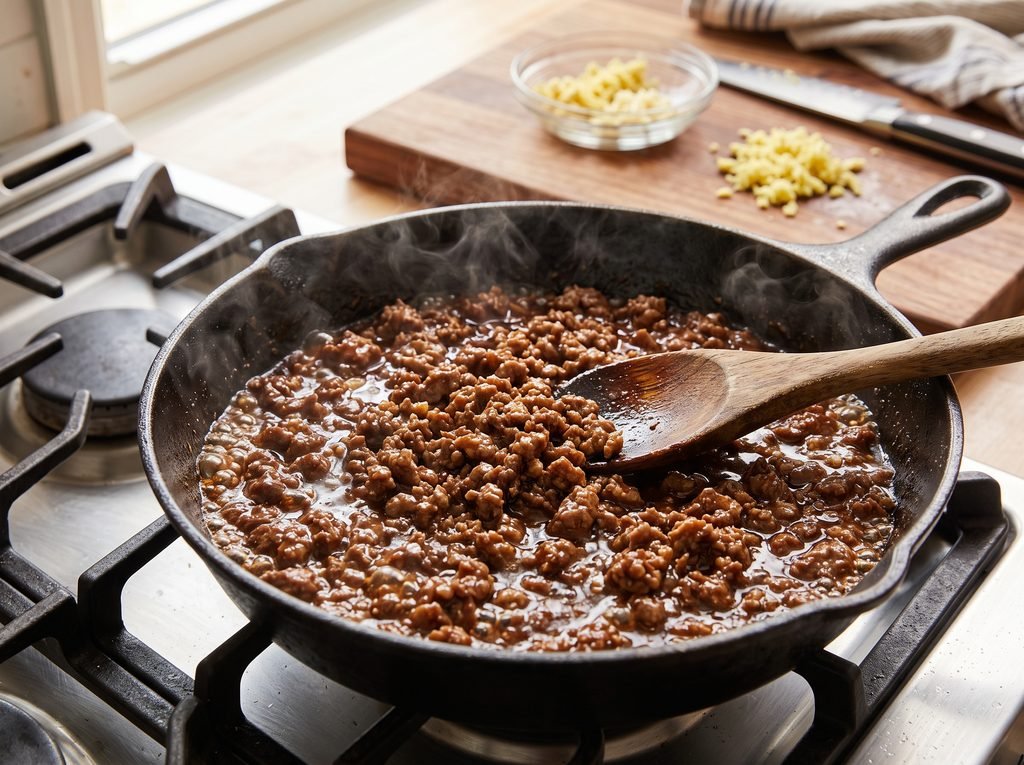
Add the ground beef to the skillet. Use a sturdy wooden spoon or a meat chopper to break the beef apart into even, bite-sized crumbles. Now, the most important step: leave it alone. Let the beef cook completely undisturbed for 3 to 4 minutes. This allows a dark, savory, caramelized crust to form on the bottom of the meat. Once that crust develops, stir the meat and continue cooking until no pink remains.
5. Drain the Excess Fat Depending on the fat content of your ground beef, you may have a pool of liquid in your skillet. Carefully tilt the pan and use a large spoon to scoop out the excess grease, or push the meat to one side and soak up the excess with a paper towel. Leave about one tablespoon of fat in the pan to keep the meat moist and carry the flavors of the garlic and ginger.
6. Add Aromatics and Sizzle Reduce the stovetop heat to medium. Add the freshly minced garlic and grated ginger directly into the center of the beef. Stir them constantly for exactly 60 seconds. You want the aromatics to become incredibly fragrant and release their oils, but you must be careful not to let the garlic turn brown, or it will impart a bitter taste.
7. Glaze the Beef Give your prepared soy sauce mixture one final stir, then pour it evenly over the beef in the skillet. Stir everything together. The sauce will immediately begin to bubble and simmer. Allow the mixture to cook for 2 to 3 minutes. During this time, the heat will cause the sugars to caramelize, and the sauce will reduce, transforming from a watery liquid into a thick, glossy, sticky glaze that perfectly coats every single piece of beef. Once the liquid has mostly absorbed, immediately remove the skillet from the heat.
8. Assemble and Garnish Divide the hot, steamed rice among four deep serving bowls. Generously spoon the glazed Korean beef over the rice, making sure to scrape all the sticky pan drippings out of the skillet and onto the bowls. Top each portion with a heavy sprinkle of sliced green onions and toasted sesame seeds. Serve immediately while piping hot.
Helpful Tips for the Best Results
- Embrace the Maillard Reaction: The difference between a mediocre beef bowl and an outstanding one lies in the browning of the meat. When you first put the beef in the pan, resist the urge to stir it constantly. Letting it sit against the hot metal triggers the Maillard reaction, creating crispy, deeply savory, caramelized edges that elevate the entire dish.
- Grate, Don’t Chop, Your Ginger: When working with fresh ginger in a quick-cooking stir-fry or skillet meal, grating it is vastly superior to chopping it with a knife. Grating it on a microplane turns the fibrous root into a wet, potent paste. This allows it to melt seamlessly into the sauce, preventing anyone from biting into a tough, soapy chunk of raw ginger.
- Balance the Sweetness: If you prefer a more savory, salty dish rather than a sweet one, you can easily reduce the light brown sugar from 1/3 cup to 1/4 cup. Conversely, if you love that sticky, candied takeout flavor, keep the 1/3 cup measurement exactly as written.
- Toast Your Sesame Seeds: If you purchased raw sesame seeds, take two minutes to toast them in a dry skillet over medium heat until they turn light golden brown. Toasting them awakens their natural oils, making them crunchier and vastly more flavorful.
Authentic and Fun Variations
The basic Korean beef bowl is a phenomenal canvas for culinary experimentation. You can easily tweak this recipe to suit different dietary needs or to incorporate more vegetables into your family’s dinner.
- The Veggie-Heavy Bowl: If you want to make this a true one-pan meal, simply bulk up the skillet with vegetables. After browning the beef and draining the fat, toss in a cup of shredded carrots, a handful of snow peas, diced bell peppers, or fresh broccoli florets. Sauté until tender-crisp before adding the garlic, ginger, and sauce.
- Use Thinly Sliced Steak: If you want to elevate this meal for a date night or a weekend dinner, swap the ground beef for a pound of flank steak, sirloin, or ribeye. Place the steak in the freezer for 20 minutes to firm it up, then slice it incredibly thin against the grain. Sear it rapidly over high heat in batches, then toss the cooked steak strips in the reduced sauce.
- Spicy Gochujang Bowl: To achieve a truly authentic Korean flavor profile, replace the crushed red pepper flakes with 1 to 2 tablespoons of Gochujang. This thick, crimson, fermented chili paste provides a sweet, earthy, deeply savory heat that completely transforms the sauce.
- Low-Carb and Keto-Friendly: To fit a ketogenic lifestyle, simply serve the glazed beef over a bed of steamed cauliflower rice or spiralized zucchini noodles. To fix the sauce, replace the brown sugar with a keto-friendly sweetener, such as a monk fruit brown sugar substitute.
What to Serve With Your Korean Beef Bowl (Banchan)
In Korean dining culture, meals are traditionally served with banchan—an array of small, highly flavorful side dishes meant to be eaten alongside the main course and rice. Adding a few simple sides to your beef bowl provides a wonderful contrast of textures, temperatures, and flavors.
- The Perfect Fried Egg: A crispy-edged, sunny-side-up fried egg is the ultimate topping for a beef bowl. When you break the yolk, it spills down into the beef and rice, creating a rich, creamy, luxurious secondary sauce.
- Traditional Kimchi: A side of store-bought or homemade fermented cabbage kimchi is essential. Its sharp, tangy, spicy, and slightly sour flavor cuts perfectly through the rich, sweet glaze of the beef.
- Quick Pickled Cucumbers: For a fast, refreshing side, thinly slice a Persian cucumber and toss it with two tablespoons of rice vinegar, a splash of sesame oil, and a pinch of sugar. Let it marinate for ten minutes while you cook the beef.
- Sautéed Spinach (Sigeumchi Namul): Briefly blanch fresh spinach, squeeze out the excess water, and toss it gently with a splash of soy sauce, minced garlic, and toasted sesame oil for a traditional and healthy green side.
Storage, Freezing, and Reheating
Because the ingredients in this dish are so sturdy, Korean beef bowls are an absolute dream for weekly meal prep.
How to Store: Allow the cooked ground beef and the rice to cool completely to room temperature. It is best to store the beef and the rice in separate, airtight glass or plastic containers. This prevents the rice from soaking up all the sauce and becoming mushy. Store them in the refrigerator for up to 4 to 5 days. Keep your fresh garnishes (like the sliced green onions) in a separate small container or ziplock bag.
How to Freeze: The glazed ground beef freezes exceptionally well. Place the completely cooled meat into a freezer-safe bag, press out as much air as possible to prevent freezer burn, and freeze for up to 3 months. Let it thaw overnight in the refrigerator before you plan to eat it. (Note: It is better to make a fresh batch of rice when you are ready to eat, as freezing and thawing cooked white rice can result in a dry, grainy texture).
How to Reheat: For the best texture, reheat the ground beef in a skillet on the stovetop over medium-low heat. Add a tiny splash of water or a few drops of soy sauce to the pan to help re-hydrate the sticky glaze as it warms up. If you are taking this to work, the microwave works perfectly fine. Heat the beef and rice in 60-second intervals until steaming, then add your fresh garnishes.
Frequently Asked Questions
Is this recipe gluten-free? As it is written, this recipe is not gluten-free because traditional soy sauce is brewed with wheat. However, making it completely gluten-free is very simple. Just swap the regular soy sauce for an equal amount of Tamari (a gluten-free soy sauce) or coconut aminos. All the other ingredients are naturally gluten-free.
Can I use ground turkey or ground chicken instead? Absolutely. Lean ground turkey, chicken, or even ground pork work beautifully with this sauce. Because poultry is significantly leaner than ground beef, you may need to add an extra tablespoon of cooking oil to the skillet when browning the meat to ensure it stays juicy and doesn’t dry out over the high heat.
What kind of rice is best for beef bowls? Short-grain or medium-grain white rice is the best choice for Asian-inspired bowls. Sushi rice or Calrose rice has a naturally sticky, slightly chewy texture that clumps together beautifully, making it easy to eat with chopsticks and preventing it from turning into mush under the heavy sauce. Jasmine rice is a fantastic, fragrant alternative. Long-grain white rice or brown rice will work in a pinch, but they will not provide that authentic, cohesive bowl experience.
Why did my sauce burn and taste bitter? If your sauce burned rather than caramelizing, your stovetop heat was too high. Brown sugar has a relatively low burning point. Once you pour the soy sauce mixture into the skillet, you must ensure the heat is lowered to medium, and you must stir the meat continuously. The sauce only takes 2 to 3 minutes to reduce; do not walk away from the stove during this crucial final step!
Can I use powdered garlic and ginger instead of fresh? While fresh aromatics provide a vastly superior, brighter flavor, you can use dried spices if you are in a pinch. Substitute the fresh garlic with 1 teaspoon of garlic powder, and the fresh ginger with 1/2 teaspoon of ground ginger. Whisk these dry spices directly into the soy sauce mixture rather than sautéing them in the dry pan, which could cause them to scorch.
Is this dish very spicy? No, this basic recipe is very mild, designed to be family-friendly and appealing to children. The 1/2 teaspoon of crushed red pepper flakes provides a very subtle background warmth rather than a sharp heat. If you want no heat at all, simply omit the pepper flakes. If you love spicy food, double the pepper flakes or add a heavy spoonful of Gochujang or Sriracha.
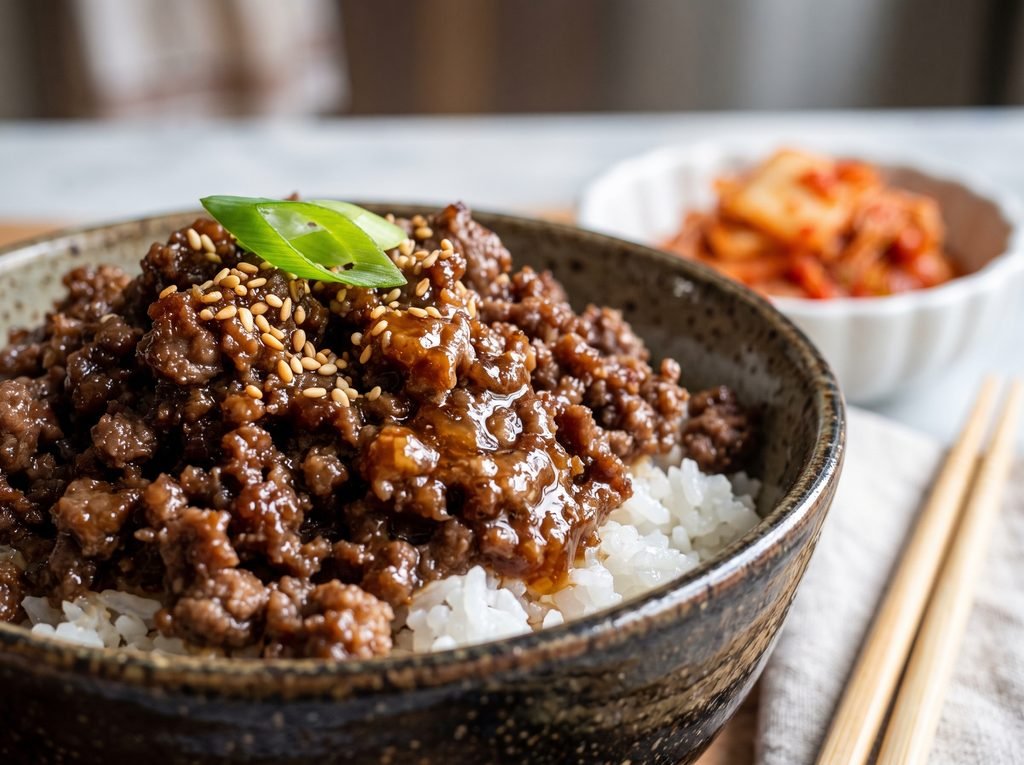
Final Thoughts
The next time you find yourself staring blankly into the refrigerator at 6:00 PM, resist the urge to order out. With a pound of ground beef and a few simple pantry staples, you have everything you need to create a spectacular, restaurant-quality meal in the comfort of your own kitchen. This easy Korean beef bowl proves that you do not need hours of preparation or a laundry list of obscure ingredients to cook food that is deeply flavorful and wildly satisfying. It is the perfect harmony of sweet, salty, and savory, guaranteed to bring everyone running to the dinner table. Grab your skillet, fire up the stove, and enjoy your new favorite weeknight dinner!