

The Ultimate Creamy Cheddar Cheese Soup: A Comfort Bowl Masterpiece
There is something undeniably magical about a warm, velvety bowl of soup on a chilly evening. But when that soup is a rich, perfectly smooth Cheddar Cheese Soup, it transitions from a simple appetizer to a luxurious main course. Whether you are looking for the ultimate comfort food to warm your bones or a crowd-pleasing dish that will have your family asking for seconds, this recipe is your golden ticket.
While many cheese soups fall victim to a grainy texture or a bland flavor profile, this comprehensive guide will walk you through the science, the technique, and the exact ingredients needed to achieve a flawlessly smooth, deeply savory cheddar cheese soup every single time.

Why This Recipe is a Game-Changer
Creating the perfect cheese soup is an exercise in balancing flavors and mastering heat. This recipe isn’t just a list of ingredients; it’s a meticulously tested method designed to deliver perfection. Here is why this specific recipe stands out:
- The Perfect Emulsion: By using a precisely measured butter-to-flour roux and introducing liquids at the right temperature, we prevent the cheese from breaking and separating into pools of oil.
- Depth of Flavor: We don’t just rely on cheese. A mirepoix base (onions, carrots, celery) combined with a hint of Dijon mustard and Worcestershire sauce elevates the cheddar, making it taste more “cheesy” without being overpowering.
- Versatility: This acts as a master base. Want to add broccoli? Go ahead. Craving bacon? It fits perfectly.
The Science of Melting Cheese
Before we dive into the pot, it’s crucial to understand why cheese behaves the way it does. Cheddar cheese is an emulsion of dairy fat and water, held together by a network of milk proteins. When exposed to high heat too quickly, these proteins tighten and squeeze out the fat and water. The result? A grainy, curdled soup with a layer of grease on top.
To prevent this:
- Never boil the soup after adding the cheese.
- Always use block cheese. Pre-shredded bagged cheeses are coated in anti-caking agents like cellulose or potato starch. While great for preventing clumping in the bag, these powders prevent the cheese from melting smoothly into a liquid, resulting in a gritty texture.
- Grate it fresh, at room temperature. Room-temperature cheese melts much faster and more evenly than cold cheese straight from the fridge.
Essential Ingredients
To achieve restaurant-quality flavor, gather these high-quality ingredients.
| Ingredient | Quantity | Purpose in the Recipe |
| Sharp Cheddar Cheese | 16 oz (freshly grated) | The star of the show. Sharp cheddar provides the necessary acidic tang to balance the rich cream. |
| Unsalted Butter | 1/2 Cup (1 stick) | Forms the fat base for the roux and sautés the vegetables. |
| All-Purpose Flour | 1/2 Cup | Thickens the soup and stabilizes the emulsion to prevent the cheese from separating. |
| Yellow Onion | 1 Medium, finely diced | Provides a sweet, aromatic foundation. |
| Carrots | 2 Medium, grated | Adds a subtle earthiness and a beautiful golden color. |
| Celery | 2 Ribs, finely diced | Enhances the savory base notes. |
| Chicken or Veggie Broth | 3 Cups (low sodium) | Thins the roux into a soup consistency while adding deep umami flavor. |
| Whole Milk | 2 Cups | Adds creaminess without the heavy, cloying texture of heavy cream. |
| Dijon Mustard | 1 tsp | A secret ingredient! The acidity cuts through the fat and amplifies the cheddar flavor. |
| Worcestershire Sauce | 1 tsp | Adds a complex, savory depth (umami). |
| Garlic Powder | 1/2 tsp | Complements the onion and cheese perfectly. |
| Salt & Black Pepper | To taste | Enhances all the natural flavors. |

Step-by-Step Instructions
Follow these steps carefully. The order of operations is critical to achieving that silky-smooth texture.
1.Prepare the Base Vegetables :Take your time to build the flavor.
Melt the unsalted butter in a large Dutch oven or heavy-bottomed pot over medium heat. Add the finely diced onions, grated carrots, and diced celery. Sauté for about 6 to 8 minutes, stirring occasionally, until the onions become translucent and the carrots are tender. Do not let the vegetables brown.
2.Create the Roux :The thickening agent.
Sprinkle the all-purpose flour evenly over the sautéed vegetables. Stir continuously for exactly 2 minutes. The mixture will look like a thick paste. Cooking the flour for a couple of minutes removes the raw flour taste and lightly toasts it, which adds a nutty depth to the soup.
3.Incorporate the Liquids :
Slowly whisk in the chicken (or vegetable) broth, about half a cup at a time. Whisk vigorously after each addition to ensure no lumps form. Once the broth is fully incorporated and smooth, slowly pour in the whole milk.
4.Simmer and Season :Do not let it boil vigorously.
Stir in the Dijon mustard, Worcestershire sauce, garlic powder, salt, and black pepper. Bring the mixture to a very gentle simmer (look for small bubbles at the edges, not a rolling boil). Let it simmer uncovered for 10-15 minutes to allow the soup to thicken and the flavors to meld. Stir occasionally so the bottom doesn’t scorch.
5.Remove from Heat :Crucial step for texture.
Once the soup has reached your desired thickness, completely remove the pot from the heat source. This is the most important step to prevent grainy soup. Let it sit for 2-3 minutes so the temperature drops slightly below the boiling point.
6.Melt the Cheddar :Add in handfuls.
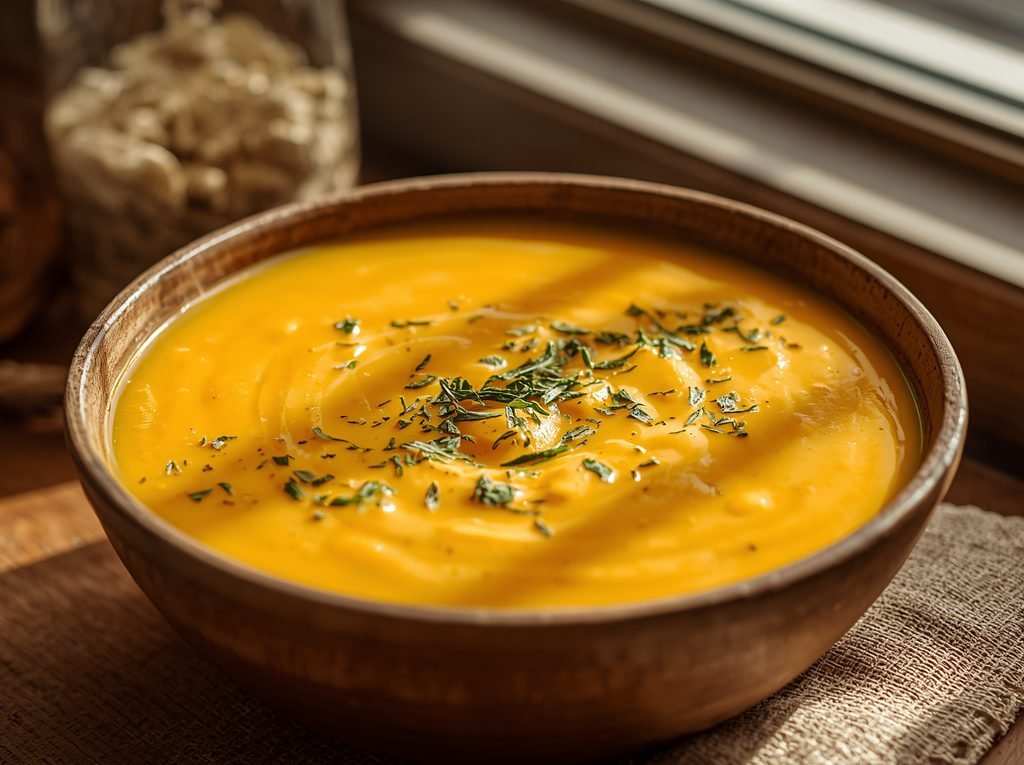
Gradually add the freshly grated sharp cheddar cheese, one handful at a time. Stir gently in a figure-eight motion until the cheese is completely melted before adding the next handful. Continue this process until all the cheese is incorporated into a smooth, glossy masterpiece.
Exciting Variations to Try
While a classic cheddar cheese soup is phenomenal on its own, it also serves as a brilliant canvas for other flavors.
1. Broccoli Cheddar Soup
The most famous variation. To make this, simply chop 3 cups of fresh broccoli florets into bite-sized pieces. Add them to the pot at the same time you add the chicken broth and milk. Let the soup simmer for 15-20 minutes until the broccoli is fork-tender, then proceed with removing from heat and adding the cheese.
2. Loaded Baked Potato Cheese Soup
Peel and dice 3 medium Russet potatoes. Boil them separately until just tender, then drain and fold them into the soup right before adding the cheese. Garnish the finished bowls with crispy chopped bacon, sour cream, and fresh chives.
3. Pub-Style Beer Cheese Soup
Swap out 1 cup of the chicken broth for 1 cup of a high-quality amber ale or lager. The beer adds a slightly bitter, malty complexity that pairs incredibly well with sharp cheddar and a side of soft pretzels. Avoid IPAs, as their high hop content will make the soup too bitter when heated.
What to Serve with Cheddar Cheese Soup
A rich soup demands the perfect accompaniments to balance the meal:
- Sourdough Bread Bowls: Hollow out a mini sourdough loaf. The crusty exterior and tangy crumb contrast perfectly with the rich soup.
- Soft Pretzels: Perfect for dipping, especially if you try the beer cheese variation.
- Crisp Green Salad: A side salad with an acidic vinaigrette (like lemon or balsamic) will cleanse the palate between rich bites of soup.
- Garlic Butter Croutons: Homemade croutons add a much-needed crunch to the creamy texture.
Storage, Freezing, and Reheating Guide
Proper storage is key to maintaining the texture of leftover soup.
- To Store: Allow the soup to cool completely to room temperature. Transfer to an airtight container and store in the refrigerator for up to 4 days.
- To Freeze: Caution! Dairy-heavy soups do not freeze particularly well. The freezing and thawing process can break the emulsion, resulting in a grainy, separated texture when reheated. If you must freeze it, store it in an airtight container for up to 2 months. When thawing, do so overnight in the fridge, and reheat very gently, whisking constantly.
- To Reheat: Never microwave cheese soup on high power—it will separate and turn oily. The best method is to reheat it in a saucepan on the stove over low heat. Add a splash of fresh milk to help re-emulsify the soup, and whisk continuously until it is just warmed through. Do not let it boil.
Frequently Asked Questions
Can I use mild cheddar instead of sharp? Yes, you can, but sharp or extra-sharp cheddar is highly recommended. The cooking process mellows out the cheese flavor, so starting with a sharp cheddar ensures the final dish actually tastes like cheese. Mild cheddar often results in a bland soup.
Why is my soup grainy? Grainy soup is usually caused by two things: using pre-shredded cheese (which contains starches that don’t melt well), or adding the cheese while the soup is actively boiling. Heat causes the proteins in the cheese to curdle and separate from the fat. Always remove the pot from the heat before stirring in freshly grated cheese.
How can I make this soup gluten-free? To make this recipe gluten-free, simply replace the all-purpose flour with an equal amount of a high-quality gluten-free flour blend, or use 1/4 cup of cornstarch whisked into the cold milk before adding it to the pot.
Can I make it vegetarian? Absolutely. Simply swap the chicken broth for a high-quality vegetable broth, and ensure your Worcestershire sauce is vegetarian (some traditional brands contain anchovies).
There is truly nothing better than mastering a classic. Take your time, use high-quality block cheese, and watch your heat. With this recipe, you are guaranteed a pot of liquid gold that will become a staple in your kitchen for years to come.